Every time I take my van over the border from England back into Wales I feel my nervous system relax, my heart gladden and the sun come out in my soul (even if it’s actually raining – common in this green and verdant land). It was only last year that I began to discover I am one of many who experience the same joy, the same longing to be there and that there was a word for this very state of being – that word is hiraeth in Welsh, conveying a similar but nuanced meaning, to the word saudade in Portuguese.
Derived from “hir”, meaning long, and “aeth”, meaning sorrow or grief, the word hiraeth offers a literal translation that only scratches the surface of its layered significance. “Hiraeth is one of those words that defies translation because of its deep cultural connotations,” says Sioned Davies, professor emeritus and former chair of the School of Welsh at Cardiff University.
Often tied to profound emotional pain, hiraeth surfaces in some of the oldest Welsh texts and has lingered as a poetic burden through the centuries. In the early Welsh verses known as Hen Penillion, an anonymous poet laments the torment of this “cruel hiraeth” that breaks his heart and disturbs his sleep. Steeped in sorrow, the term is frequently understood as a mourning for lost homelands, languages, or traditions—yet it may also hold the promise of their rediscovery and renewal.
It could be because my ancestors were Welsh (I am a Williams through my family line) and I am only an hour from the border; working class, mining stock and resourceful, they moved to England for work in the latter part of the Industrial Revolution. What draws me is the countryside and the coast, the quiet, the warm welcome I always experience, singing in choirs and the communities of resourceful inhabitants. Music, birds, long views and far horizons pull me from my urbanity.
Last year I parked next to a woman who recommended me a book called “The Long Field: WALES, AND THE PRESENCE OF ABSENCE – A MEMOIR’ by Pamela Petro (2023). I enjoyed it very much – another instance of hiraeth nudging up against me. The author says:
‘The Long Field burrows deep into the Welsh countryside to tell how this small country became a big part of my life as an American writer. The book’s format twines my story around that of Wales by viewing both through the lens of hiraeth, a Welsh word that’s famously hard to translate (one literal meaning of hiraeth is ‘long field’). It is also the name for the bone-deep longing for something or someone – a home, culture, language, or even a younger self. The Long Fieldbraids memoir with the essential hiraeth stories of Wales, and in doing so creates a radical new vision of place and belonging’.
Here I am on top of the world physically and emotionally. 360 degree views offering sunrise and sunset, clean air and a home amongst the skylarks. I am so high in fact that the skylarks run around me on the grass before their gradual ascent and transformation into ‘scribbling larks’ beyond where I can see them.
sunset in the side window
I go to sleep when it gets dark and get up just before dawn, I eat when I am hungry and sit and stare at the long view. Biorhythms work nicely. With enough drinking water (no facilities) I spent 5 days treading lightly.
In between the darknesses I walk and draw, practice the ukulele, sit and knit a bit or hum to myself in a Pooh Bear fashion. I write things down which seem important at the time and concentrate on presence. I ponder hiraeth once once more. I draw again.
This last trip I restricted myself to drawing in a small A6 book – an exercise in trying to capture this ‘b i g n e s s’ on a small page. It was somewhat illustrative to begin with and then became more abstract I think. A bit like my mind as it loosened over the days.
A friend, Susie, choir leader and good egg walker and chatterer joined me for three nights to appreciate the vastness and beauty. We shared food and did a lot of bonhomie!
It was cold and very windy but bright and rarified.
We love our houses on wheels!
Here is my art kit for this trip. Small, less choices, easier to dive in, less to blow away off the side of a mountain! A few gouache paints, some coloured pencils and water brushes with a tiny A6 tear off palette by Holbein (Japan).
My next paintings just moved into vast yellow skies – I needed no form as I became more formless myself, merging into the landscape. I can show those another time; hiraeth is hard to paint.
At my next park up I was on a campsite (to shower and charge up gadgets) where a couple arrived to pitch up next to me. I was a little grumpy having had the vastness of mid Wales hills to myself – but after a friendly moment of verbal interchange I discover that this woman was writing a PhD about hiraeth. !!!!! It seemed such an extraordinary coincidence – we could compare pHd struggles AND compare our experiences of a word which most people haven’t heard of but many of whom may experience – especially in relationship to Wales.
So this is where my heart and soul lie, bounded by hiraeth.
This painting, completed this week, is available to purchase. Until January 6th it is available, first come first serve, and after that it will go into store toward exhibition.
£400.
Let me know if it’s for you on
clare.wassermann@gmail.com
Or leave a comment with your contact details here.
Detail
Making cosmos from chaos and the music of the spheres have shaped this painting.
If I don’t write again before the new year. Have a good rest and recuperation over the upcoming week or two and see you in the new year.
Thank you for all your support – it does mean a lot.
A sketchbook recently filled – vibrant markets and fishing villages in Southern Portugal.. a tiny film.
My big love is being outside in the landscape and drawing and painting. I have just returned from a lovely ‘milestone’ birthday trip to Portugal where I got to do plenty of that and, unusually for me, worked in just one sketchbook and filled it up. Would you like to see? I enjoyed the sights and smells of market days particularly and depicting these bustling, loud and mouthwatering days was my inspiration this time.
This is also my first time filming my sketchbook – so, fingers crossed!!
I spent some of the holiday drawing and painting with my good friend Mary Price and we hoked up for some of our time with another woman, Julie Sajous, a new friend found loitering with sketchbook and pens.
This common ground of drawing (followed by eating and drinking) is such a uniting factor you know! In times which seem to polarise people we need to find our tribes, connect and lift each other up!
Painting alone and painting with friends – such a great way to connect with place and people. Here are me, Mary Price and Julie Sajous.
That’s me on the left looking like I might fall over backwards into a cactus!
I would love to hear how you record your travels if you do.
Do you draw or photograph and do you think there’s a big difference? Or maybe you keep a written journal? Let me know in the comments ….
Sketchbook colour trials and a pastel da nata (very lifelike!!)
A Turning Point in the “WEIRD” World: A Call for True Systemic Change
We seem to be standing at a tipping (or have we tipped?) point for the “WEIRD” world—Western, educated, industrialized, rich, and still nominally democratic societies. These nations, with their emphasis on industrial growth and technological advancement, have driven profound change but at great ecological and social costs. It’s clear that we are, in many ways, a “trauma culture,” This trauma is woven into the very fabric of our society, manifesting in deeply ingrained power structures that, according to depth psychologist Bill Plotkin, reflect a kind of perpetual adolescence—an unwillingness to truly mature and evolve. Wholeness lies at the heart of genuine healing. Much like author and activist Joanna Macy, (I wrote about her here) who is often cited in Plotkin’s Wild Mind, he suggests that real, global change begins with each person nurturing their own sense of wholeness. This involves connecting deeply with the four core aspects of the Self and recognizing both the strengths and limitations of our inner subpersonalities. By acknowledging and developing these psychological resources within us, we can uncover the unique gift—our “soulcraft”—that each of us is meant to offer to the world.
Figures like Kamala Harris and Obama bring hope and progress in many ways, and their goals were inspiring, but despite the attempt Harris made to lead America recently, way too late in my opinion, nobody would currently be positioned to overhaul the entire system effectively and equitably. True, healthy systemic change remains elusive. (It is not lost on me that the US richest white men are going for a far more terrifying systemic change – via Project 25 or similar ideals).
The events of recent days have shed a clearer light on something a growing number of people are finally recognising: the system we live under isn’t malfunctioning; it’s functioning precisely as it was designed to. It’s part of the evolution of the planet so far. Its purpose has for many years now been to keep power centralized within a small elite – historically older white men. Today, wealth can come at a younger age and from a wider array of backgrounds, but fundamentally, the system remains steadfast in its structure, ensuring power stays concentrated at the top (elite or rich).
More people than ever are beginning to understand this reality. The challenge we now face is not to “fix” this system but to recognise that it’s functioning exactly as intended. To address the root of our problems, we need a transformation that goes far beyond incremental reforms—a complete redesign of our social and political structures that shifts power from the few to the many, respects our planet, and nurtures collective growth rather than endless profit.
As we stand at this inflection point, the question before us is whether we’ll seize this moment to build a future aligned with equity, sustainability, and true democratic values. The choice is ours, and the time is now.
This is a conversation we need to to open.
‘I Give You Love’ Clare Wassermann 2021
If our goal is to support complex life on Earth—to cultivate both human and non-human flourishing within a vibrant, interconnected web of life—then we need a new system. The old paradigm is crumbling, and its collapse is often painful to witness. It’s clear to many of us that the structures we’ve relied on are now sound their death-rattle, clinging desperately to outdated patterns of power and control as they crumble with devastating impact. It’s not pretty.
What’s striking, though, is that this realization has taken root among those who long for a fair, just, and sustainable world, not among the faction of society that responds to change with division or even violence. Many of us believe that a thriving human population within a thriving biosphere is not only possible but essential. And we’re seeking ways to connect, to understand, and to build bridges that can support this vision of an equitable world.
Before recent elections, those of us who thought leaders like Kamala Harris might win were discussing how we could reach out to each other and foster genuine connection. We were exploring ways to create a space where systemic change could be embraced with resilience, compassion, and openness. We wanted it to be okay—not just for those who support a more equitable society, but for everyone who envisions a world where communities thrive alongside the environment.
But alongside this movement for connection, we’ve also seen a stark contrast. A recent tweet from misogynistic, white supremicist and anti semitic Nick Fuentes, the far right MAGA influencer, recently read, “Your body, my choice” and reveals the opposite mindset—a disturbing desire for control rather than collaboration, for domination rather than shared stewardship. This has in the last few days led to an increase in the number of attacks on women in the U.S.
At this inflection point, the choice before us is clear. Will we move forward by building systems that uplift all forms of life, or will we allow the remnants of the old, self-centered structures to dictate our future? If we want a future of shared responsibility and care, now is the time to choose it and to join together in creating it.
As we watch the foundations of our old system crack, including the erosion of democracy itself, it becomes clear that clinging to the past is holding us back. The sooner we release our desire to return to “the way things were,” the sooner we can focus our energy on building something genuinely new.
Even if leaders like Kamala Harris had won, we’d likely still see many of the same destructive practices—bombing, fracking, deforestation—that strip the Earth of its resources and threaten our shared future. These are deep-seated, systemic issues that no single leader can fully overturn without a broader commitment to transformative change. This applies equally here in the UK as the government disappoint its electorate.
We are in the process of wiping ourselves out through ecological and climate disaster.
What is left for us to do? What can we shape from where we are now?
All that is left is to build communities, find purpose and passion. Find what brings us allive and thrive and join together with others who do the same things. Join a local choir, make art with friends, form a reading or support group online, write bad poetry, join a gardening group or a waste ground revival group, help a neighbour, make tea for three friends, collect rubbish out in the world together and dispose of it appropriately (I mean that metaphorically as well as literally). Where do we find healthy joy in simple things? Where are we in the web of life and how can we keep it intact, repairing, re-spinning and shaping its form into one which places joy, aliveness and thriving at its heart? Connect with others in the web and work to include those who are marginalised.
Let’s step beyond the immature grasping and desiring of ‘stuff’ and ‘power to get stuff’ and attempt a paradigm shift together, beyond the understanding of those rich, white men. Let’s make a bid for a more feminine approach centering care, friendship and joy in whatever small way we can. Bind together locally and through the technology we have now to unite more widely.
Please consider subscribing to my substack writing here
Go out, be in the world, love it and tell about it.
By now you probably know how much I like to wander about, my head full of silly songs and musings and my backpack filled with pencils, watercolours and a sketchbook.
Luckily I am house and cat sitting this couple of weeks in the beautiful Languedoc, France, staying in a tiny medieval village and enjoying some warmer weather than back in the UK. Here it is dry and around 20 degrees but as you can tell by the video it’s been pretty windy.
Today I wandered and wondered and shot a little film to show you where I walked and the gorgeous studio (of cousin John Baldwin) I come back to for working on a little bit of gouache painting. I went about 6 miles in all and then ventured out again to stand and draw in the little square.
The video gets clearer after the first few seconds – come on my walk with me…
I have peace and quiet and sole use of the house – just me and my mind. It’s always interesting what that gets up to when alone and keeping off social media mostly. I enjoy observing its monkey tricks !!
At the end of the day I went along to one of the village squares and stood to draw where I encountered an elderly man who enjoyed telling me about his paintings and a young woman called Nancy who has illustrated children’s books. So friendly – and they didn’t even laugh at my French!
France is very wabi-sabi, there’s always beauty in the nooks and crannies of back streets. Here’s my favourite example from a door today – god only knows what kind of technology this is!!
I painted this little scene from the bench by the bridge – the medieval buildings are suitably wonky enough to be painted in a gale! Afterwards the cat came to give me her autograph…
Next time I come I will bring my harmonium – it needs a little work doing to it’s coupler mechanism… a useful industry in a teeny village…
Back in the studio in the middle of the day I played with gouache – needed to use the pink to capture the chill of yesterday…
Anyway I may work into this a bit tomorrow when it’s light.
This was the original drawing I did on my knee in the hills – so far I prefer it to the painting but then that’s not complete and I’m sure I will warm up!
My greatest pleasure though is my lovely new sketchbook – a Pith – lovely smooth and strong paper and good for watercolour and other wet stuff at 200g paper. I have suddenly become a big fan of smoooooooth paper!
I will try to post some more here over the next couple of days – thank you for dropping by!!
How I use my sketchbook to find the content of my thoughts
Sketchbook as a portal. This is how my mind gets going sometimes…I’m not sure how much control I have over it, but it’s a way of using a sketchbook to find stuff going on in this head ….
These are the images for this particular stream of consciousness sketchbook. They are copies of a long series of paintings I made on the sea wall in blustery North Wales through which I embody the storm. This is a section in my PhD research which I have really enjoyed documenting. I find that I don’t really have too much control over what I am writing – I leave it to come through me in a way akin to the notion of ‘enchantment’ spoken about by activist and leader Nina Simons. She advocates taking a solitary walk and seeing what comes through you as a form of contemplative practice. Here I paste images made by myself and then open myself up to what writing is there…it’s an experience I enjoy, it’s immersive. It’s part of sadhana a practice in jñāna yoga.
Here are some pages:
This I call the questioning of abstract ideas through the vehicle of images. I am questioning here the nature of reality. Have you ever thought about that?
I like these two quotes by Margaret Davidson on contemporary drawing:
When you look more closely you see beyond the images and into the variations of those internal ideas.
Davidson 2011: 174
and
Consciousness in drawing is one of those states of mind that, once you reach it, you can’t imagine the time before reaching it. Once you know it, you can’t return to not knowing it. When you become conscious and intentional, you cross over from some realm of ignorance to true awareness.
Davidson 2011:178
Ref: Davidson, Margaret (2011), Contemporary drawing: key concepts and techniques, New York: Random House.
She’s spot on as far as I’m concerned.
This week in the studio I am working particularly on this painting – by next week’s newsletter it will be done. It’s one of three that have occupied me during January and February – they are towards a solo exhibition in August in Much Wenlock, Shropshire UK. Which reminds me I must get cracking on that work…speed up a bit!
83 x 59cm – work in progress but nearly there!
That’s all for this week!
but …
I’d love to know if :
you write much in your sketchbooks if you have them?
you do free writing or a stream of consciousness
you have worked with Julia Cameron’s morning pages concept
Searching out and finding it there all the time in the slow and silent time between Christmas and New Year: finding a new direction. Not all who wander are lost….
I treated myself to a lovely Mary Fedden book for Christmas and haven’t been able to put her down. Whilst at this still point of winter where I sometimes sit in an uncomfortable art fug, trying to peer into my future art direction, I decided to look at painting, as she did, some entirely domestic items.
Having also purloined (gifted to self) some rather juicy Holbein gouache tubes and hauled myself from a mince-pie eating stupor, I played with a small painting in the manner of Fedden, only 18 x 13cm which suits this medium. It’s called ‘Julia’s Tea Light’ – still the usual bird theme, rather decorative and still using a bit of imaginative daydreaming as is my way.
I think it would translate well into a larger oil painting; when I enlarged it to print it out, the brush strokes showed nicely. I do love the way gouache paint can mimic watercolours (in the fat end of the squash) and opaque oil, all one one handy travelling palette…
… and travelling is coming up – so I am thinking I might take these materials to France in January where I am house sitting for a couple of weeks in the Languedoc (animal rights you know!) to explore the landscape and the domestic (there may be cat paintings of George and Zuzu and there are those beautiful Langedoc floor tiles!).
Then I was also thinking about how I often use my iPad to change my physical work on paper and whether I could develop some kind of studio diary in the future. I am completely inspired by the lovely studio journals of Mrs. Bertimus (I am fortunate enough to have purchased one of her beautiful paintings for my lounge) and although I can’t say that I can match her prowess in the tech side, I had a go this afternoon and think I might continue on in this way and perhaps show some here. Something like this:
Anyway I can see that it will unfortunately lead to any members of my household finding it even harder to catch my attention in the New Year, but when I am travelling I think I am going to like the combination of physical and digital. I am finding writing is an increasingly useful way to explore the scrapings from my mind which usually dance away into the atmosphere to somewhere I know not where ….
Will you join me in this diary form and follow along ? Thanks for reading – I appreciate knowing you are there. A great place to follow my posts is on Substack where I am enjoying a longer form of writing. Here is the link
If I look at most of my paintings over the last few years they almost all feature birds. Do you remember in lockdown in 2020 how we, if we were fortunate to be able to, spent such a lot of time noticing birds in our gardens and parks, the drop in traffic noise, the stillness rarified by fear amplifying their song?
During that time I was struck by the activity in the garden of the birds and I began to paint them, almost sanctifying their presence by placing them against imaginary stained glass windows. They started to become symbolic of freedom and adaptability to me. There seemed nothing freer than a bird, able to go wherever it desired, able to adapt to the buffeting of winds and forces of nature.
Two oil paintings made by myself during lockdown 30 x 30cm
What was the freedom I craved?
at first it was definitely a ‘freedom from…’ away from the city, the griminess of urban decay, away from domestic duty, peace from interruptions of children, family, spouse, responsibility, obligation,time constraints and room for spacious thinking time and epic landscapes.
then I seemed to move on and the symbol came to stand for ‘freedom to…’ a feeling of wanting to run for the hills, to the wild open spaces of Wales, to the mountain tops and valleys, to quiet contemplative woodlands with ancient trees where I could feel rooted and amongst the ancients.
eventually, as I worked through these challenges I realised that the freedom lay in my head all along, I didn’t need to do a geographical relocation, because I learned to manage a work life balance and prioritise those activities (and non-activities) that kept me sane. I can go into those another time but as I realised who I really was, the shift came and the symbol stood instead for ‘transcendent thinking.’ The understanding of who I am, what I am and what I am here for became my work and fulfilled many of the needs I thought I had. The hills, wide open spaces, mountains and valleys, places of contemplation and rootedness were all within.
Jung and Symbolism
Along the way I started to become interested in the work of C.G. Jung, the father of psychoanalysis (after Freud with whom I would have a difficult relationship!). Jung was particularly interested in dreams and symbols developing a process he termed active imagination.
Jung’s ideas fed into psychotherapy, art therapy, dance and music therapy all part of the panoply of psychological release available today. All the time the idea, for him, was to allow us to get in touch with our true self and find the senses of purpose that we all need.
Jung himself was a mystic. He filled sketchbook after sketchbook with notes and drawings which he called the Black Books, which were eventually consolodated into the most beautiful work The Red Book, or Liber Novus which he stipulated should not be published until after his death. It is filled with astonishingly beautiful symbolic watercolours. Jung was a mystic but he kept it hidden from the scientific world for fear of being discredited in his field of psychoanalysis.
A page from Jung’s Black Books which represent his visionary imagination through writing and painting reflecting on his own life as well as the evolution of a theory of analytic psychologyThe Cosmic Egg from “The Red Book” by Jung
Jung also became fascinated by alchemy as a symbolic representation of individuation, the process of synthesis of the Self which consists mainly of the union of the unconscious and the consciousness. He said:
“Only after I had familiarised myself with alchemy did I realise that the unconscious is a process, and that the psyche is transformed or developed by the relationship of the ego to the contents of the unconscious”.
Jung developed a method of assimilation of unconscious contents through their experimentation as fantasies in the wakeful state which he termed ‘active imagination’. This can be used in or out of the therapeutic environment as a journey of possible self discovery on the path to individuation or self-realisation. I have played with this approach myself through recording my dreams, which are often of birds, and making more resolved work from the dream-sketches:
Examples of my dream-sketches, ‘Dreamworks’, quick sketch later worked into, graphite and acrylic on paper, 20.5 x 15cm, 2023Dreamworks 4’, watercolour and Neocolour II sticks on paper, 21.5 x 28cm, 2023, writing in corner shows the ‘Gayatri Mantra’ which was in my mind on waking. This a mantra used in Hindu based meditation practices concerning invoking light.
Meta Thinking / Transcendent Thinking
This work has lead to further thought, for me, about the idea of being metahuman. To be metahuman means to move past the limitations constructed by the mind and enter a new state of awareness where we have deliberate and concrete access to peak experiences that can transform our lives from the inside out. I would count drawing, meditation and walking in nature as being peak experiences. Athletes and musicians often experience this state when performing particularly well. You might call it ‘being in the zone.’
Waking up, we learn, isn’t just about mindfulness or meditation. Waking up, to become metahuman, is to expand our consciousness in all that we think, say, and do. By going beyond, we liberate ourselves from old conditioning and all the mental constructs that underlie anxiety, tension, and ego-driven demands. Useful insight on this is Deepak Chopra’s ‘Metahuman: Unleashing Your Infinite Potential’ much of which draws from ideas from the Upanishads and Vedanta teachings of ancient India.
This I would say could be called transcendent thinking where transcendent doesn’t mean going above, but more working alongside from a different perspective.
The combination of meta thinking, ideas of alchemy and symbolism have resulted in some interesting and helpful personal development. Combining this with study of Sanskrit texts such as The Upanishads, The Yoga Sutras and the Bhagavad Gita has made for an enlightening journey. Long may it continue!!!
… and the birds continue… more paintings
At a recent three person exhibition, ‘Sprezzatura’ with Julia Burns and Rachel Magdeburg, I was able to show some of the paintings resulting from these dreams and imaginations. They are all available to see here (they are at a very good price for a VERY limited time – let me know if you would like to purchase) but here are a few:
‘Axis Mundi’- Acrylic paint on paper – 71 x 120cm -£300‘Om Kara’ – Acrylic paint on paper – 73 x 73 cm – £300‘Thinly Veiled’ – Acrylic paint on paper – 72 x 74cm – £300
I have put the prices of these paintings here and there are more on the link page too – I unashamedly am selling these for funds for next year’s PhD fees and my travel related to drawing and painting in my beloved Campervan – a place for spacious thinking. Let me know if you would like to purchase. Postage is extra, at cost, and the work will be sent in a strong tube for you to choose a frame. Get a bargain whilst it lasts because through a gallery …. well, you know …..
Is it too much to wonder if drawing can be an act of resistance against disconnection or a political act to create unity and peace through presence, mindfulness and interconnectivity?
22 NOV 2023
This last week I was going to write a piece about drawing and the role that it can play in mindfulness and ‘being present’, but on thinking about it that was put to one side slightly and the importance of drawing as an interconnectedness with all things came up.
How amazing it would be if the simple act of drawing could be used as a transformational process to bring people and their ecosystem (that which forms a network of relationship and interdependence i.e. everything) together?
What if drawing creates union?
What got me thinking
I do a lot of my PhD research about mindfulness, meditation and contemplation in relation to an art practice. It’s always a good excuse to go out and draw anyway; justifying the pleasure with some kind of ridiculous validating argument as if I can’t just have the pleasure. But anyway, in the name of research (!) I was on holiday in Portugal last week and set myself a little goal of painting or drawing to record the trip each day as I generally do when travelling, both as a diary and as something more.
I took a little A5 sized sketchbook and a small pad of watercolour paper and carved niches of time out to use them throughout the trip.
For me, drawing in the landscape is part of a full participation in a location. I take photos, like the rest of us, but the difference between photographing and drawing is enormous.
Michael Taussig, anthrolopologist and field notes maker, in his book “I Swear I Saw This: Drawings in Fieldwork Notebooks, Namely my own”, speaks of drawings:
“folding organically into the writing in the notebook whereas a photograph lives in another sphere altogether, with technology, lying between you and the world”.
He mentions John Berger’s thoughts, with his enigmatic notion that a photograph stops time, while the drawing encompasses it and encompassing is like enclosure. There is an intimacy that Berger finds between the drawer and the drawn, suggesting that drawing is like a conversation with the theme drawn likely to involve prolonged and total immersion. Here the idea is that the person becomes the drawing, you become so close to the object, until you are finally it as it were, the contours you have drawn marking the edge of what you have seen, but also the:
“edge of what you have become, an autobiographical record of one’s discovery of an event, scene, remembered, or imagined.” (Berger 2007:3)
Berger also says that drawing has something that painting, sculpture, installations and videos lack, and that is corporeality. (Berger 2007: 16).
I think mindfulness is a big part of it for me and I like to cultivate and exercise that skill when I can. Here are a couple of definitions of mindfulness:
“Mindfulness […] is generally defined to include focusing one’s attention in a nonjudgmental or accepting way on the experience occurring in the present moment [and] can be contrasted with states of mind in which attention is focused elsewhere, including preoccupation with memories, fantasies, plans, or worries, and behaving automatically without awareness of one’s actions.” (Baer et al. 2004: 191).
“Mindfulness is a process of regulating attention in order to bring a quality of non-elaborative awareness to current experience and a quality of relating to one’s experience within an orientation of curiosity, experiential openness, and acceptance.” (Bishop et al. 2004: 234).
There are two understandings of mindfulness: Western and Buddhist derived. A more Eastern-based idea of mindfulness (sati) is:
“Eastern mindfulness means having the ability to hang to current objects, to remember them, and not to lose sight of them through distraction, wandering attention, associative thinking, explaining away, or rejection.” (Weick & Sutcliffe (2006: 518)
You can see why this is a useful practice to cultivate! It is beneficial to be able to bring this skill to play in all sorts of life situations!
Benefits of mindfulness
The practice of mindfulness, through methods such as body scanning, meditation, and yoga, aims to achieve a state of “being-mode”, characterized by acceptance of change and non-attachment. (This is a confusing idea for Westerners – we can assume too easily that it has connotations of detachment which is not the same – let’s call non-attachment “caring non-attachment” instead because that is more useful). The goal is to master the mind, understand that human suffering is an illusion based on attachment to the nonexistent, and develop compassion and empathy for all beings.
Mindfulness improves mental skills and present-moment awareness by encouraging withdrawal from external factors that cause rumination, complex thinking, and emotional reactions. However, the idea of achieving a purely passive state of mind is paradoxical, as the mind is always interacting with the external environment. Despite this, mindfulness practitioners assert that the practice enhances the ability to remain internally focused and undisturbed by external phenomena.
You can see why sitting on a beautiful beach painting this on the island of Armona in Portugal can be argued for!
Mindfulness and Presence
Why are we drawn to being present? Could it be because the awareness of the body knows innately that being present is good for it?
We know scientifically that people who regularly encounter awe and acknowledge it have certain advantages.
But I got to thinking about what the present moment actually is? There is some literature about what a moment is. How small is it? One idea is that a moment is under six seconds, after which memory and prediction come into the picture.
How deep is it? Does mindfulness give depth to a moment.
What is time anyway? (time is a human construction a space time modality, actually, it doesn’t exist but that is another book – see Deepak Chopra’s outpourings amongst others!).
And what actually is presence?
An experienced moment happens now, for a short extended moment but mental presence encloses a sequence of such moments for the representation of a unified experience of presence. Whereas the experienced moment forms an elementary unit, a temporally unified percept, mental presence involves the experience of a perceiving and feeling agent (“my self”) within a window of extended presence, a phenomenon that is based on working memory function.
“Working memory provides a temporal bridge between events – both those that are internally generated and environmentally presented – thereby conferring a sense of unity and continuity to conscious experience” (Goldman-Rakic, 1997).
My favourite two authors (not academic because so much more relatable!) on presence are Eckhart Tolle and Michael Singer. I read and reread these books (see links) and try to live the ideas there.
Maybe I can think of it this way: Archiving an event
This was a little sketch from Faro – I spent an hour sitting on a bench, fully enjoying the sun, smells, taste and sounds of the market on the marina whilst making this.
If a moment is nebulous in terms of definition then are we talking about an event? Am I archiving an event rather than being present? What is an event made up of? An event has a preparation, and moment, and a memory but can also be made up of smaller moments of consciousness or awareness, which add up to a sense of being present.
How is drawing like yoga?
Honestly I don’t draw or paint in a headstand or the tree pose – that’s not what I mean!
So, recording a feeling of interconnectedness through a medium of art materials is like experiencing the interconnection between my body and mind to something which is greater than me when practising yoga or meditation. In a physical sense, I place my awareness in my body when practising yoga and sense the interconnectedness of, for example, the breath and the position of the body, of which part of me is relaxed and which part of me is tense. When drawing outside I have pockets of attention like this, both of the inside of me (interoception) and outside of me in my (perceived) external environment.
Sometimes this interconnected quality of being feels very profound. I am connected to everything, everything is my ecology. The word ‘yoga’ comes from ‘yuj’ which means ‘union’. The mindful presence of being still and receptive in drawing is like the true meaning of yoga. A connection to my ecology which of course is THE ecology.
Drawing the beach – sensing the perceptions of my outer environment, sensing the perceptions of experimenting with materials and sensing my internal state. It’s what meditation is, it’s what yoga is.
Why do I sometimes feel the need to capture a past event from a photo?
Is it because I wanted to re-capture, relive, recover that sense of awe? I can mention here two examples. The first is a drawing made in Portugal of the experience of walking on the salt flats at Olhão which was about experiencing the sense of the light rather than that of form. The sense of the light was having an awe-inspiring affect on my body.
I used a photo to remind me of the awesome experience of light in the salt flats but the painting is not at all purely representational.
The other example is the drawing made about the feeling of interconnectedness when swimming in the river at Dolanog. This went on to become a resolved painting. I will talk about that in another post. It was profound for me.
Drawing and flow state
How can drawing become an entry point into flow? Because drawing can be a form of voluntary play and play is an intentional portal into flow – more on this in another Substack too!
Sketching on an autumnal, orange ripening day in Ayamonte over the border in Spain.
If all of this has become too cerebral, how about this, as a more person to person connection arising from drawing outside last week:
Drawing and people connections
In around 2016 I met Mary Price (of Artist in the Shed on Instagram) on an art workshop in Brighton, tutored by the Australian artist Tracey Verdugo when she was on a world tour. Mary was sitting next to me during the weekend and over a Saturday night curry we made ourselves into friends, but only had an online friendship subsequently over the years, until just last year when we found ourselves in Olhǎo, Portugal at the same time. We spent a couple of happy days then out sketching together and drinking vinho verde of course!
This year she was to be in Olhǎo again at the same time as us. We organised more time to be spent out with sketchbooks and the day before we met up she had by chance encountered, in a cafe, another artist, Roz Beaver, who was travelling light around Portugal with her art materials. Over the next week or two we all bonded through drawing together, talking about art making, connections, and sharing life stories. We united through being in our true happy places, each of us connecting with our environment through drawing and painting in a deep and present way. We will remain friends wherever we are in the world through this true commonality and unity.
Roz, me and Mary – connected
So…
Is it too much to wonder if drawing can be an act of resistance against disconnection and a political act to create unity and peace through presence, mindfulness and interconnectivity?
follow me on Substack : long form writing, no ads, no attention seeking reels! Link: CLARE WASSERMANN
Some refs:
Taussig, Michael (2011), I Swear I Saw This: Drawings in Fieldwork Notebooks, Namely my own, Chicago: University of Chicago Press
Berger, John (2007), John Berger: Life Drawing, Ed. J. Savage, London: Occasional Press.
Let me know if you want the other citations – I need to go and have a custard cream now.
This week has been a full on one but it’s exciting. Two other artists in the studios have teamed up with me and we are going forward as a collective called ‘The Working Painters’. It’s a great boost to have a collaboration, and whereas I have generally worked a solitary bod I have really seen the power of working together this last few weeks. In the past we have loosely critted (is this a nice new word?) our work and thoughts together and now it’s time for a show of this year’s outputs.
Why now?
You know what? …. it’s hard to get gallery representation, or even work shown in the city art gallery where we work, and it’s sooooo easy to moan about that. So we decided to up the energy and organise a pop-up, renting the community hub which is a massive white ex-shop in the Mander Centre our city shopping mall here in Wolverhampton, England. The town is really down on its uppers, struggling to stay alive and the only thing we can do is to contribute to it with colour and hopefully inspiration for others to do the same. We want to buck the system!
Can we inspire?
We hope so – we want to show a way to beautifully curate on a limited budget to encourage others – individuals or groups – to have a go at doing the same. We are not having a catered Private View – but we are having one (!), and we are hanging in a way that others could replicate easily …. you’ll have to come to find out how.
‘Om Kara’ – Clare Wassermann – acrylic on paper – 73 x 73cm
About the title ‘Sprezzatura’
The exhibition title Sprezzatura typically means an appearance or style which assumes to be effortless but hides the endeavour involved in its creation. Many of the paintings exhibited here have been re-worked, painted back, painted over, scrubbed, rubbed, tonked, scratched, smudged, printed on, wrestled with and agonised over, and in fact the paintings often leave traces of these tussles. Some of the paintings came into being with less of a creative struggle as if not made by the artists at all. Nonetheless, the work of painting is always work, a matter of turning up and loading a brush.
The artists
In a series of new work, Rachel Magdeburg has painted objects that have a personal resonance, and obliquely reference the practice, material techniques and processes of painting. Some of the pictorial imagery reveals a semantic playfulness, which is reinforced by the painting’s titles. Other paintings explore formal relationships within a work itself, and in relation to the motifs of other paintings. Rachel has just completed a doctorate in Fine Art and she is glad to be back to painting!
‘UnPalatable’ – Rachel Magdeburg – oil on board – 61 x 51cm.
Julia Burns’s recent large scale paintings employ a continuous dialogue, both intuitive and directed, with the very messy process of painting, along with a playful reference to a “mixtape” of Modernist and contemporary abstract painting, to create works that allude to the Urban landscape as an experience and an idea.
Julia Burns’s studio.
Clare Wassermann has been working with the symbolism of birds in her paintings as part of an ongoing investigation into the concept of liberation and alchemical transformation towards internal freedom as part of her PhD work.
‘River Swimming, Dolanog,’ Clare Wassermann – acrylic on paper, 120 x 79cm.
I you would like to purchase one of Clare’s pieces but can’t get to the exhibition
There is an online catalogue here. Please get in touch to reserve your work – the beauty is there are no gallery fees so the work is affordable (subjective term I know!). The work can be purchased online and posted at cost. Framing advice is available of course.
Please get in touch if you would like to purchase work by Julia or Rachel. Better still, come and meet us and see it in person. A catalogue will also be available online soon.
You can make quite a night of it!
You can go straight on to this if you come at the end of FridayEvery last Friday of the month, the doors of Wolverhampton Art Gallery will be opening after hours to welcome you in.
Each event will be inspired by current exhibitions. Expect live performances, music, workshops and curators talks throughout the gallery spaces.
Plus, the Glaze Café will be opening late to ensure you don’t go hungry or thirsty as you see your way into the night. Lates are adults-only, after-hours theme nights.
This Friday Lates is a double feature! Friday 27th & Saturday 28th October 6-9pm.
Friday 27th: there will be screening a documentary about the life and work of Derek Boshier.
Join British-Jamaican Artist and Educator, Exodus Crooks for an ink and collage workshop inspired by Derek Boshier’s Smile (1968). Throughout the workshop, participants will be invited to recreate an image they have on their phone, using found images, magazines and newspaper cut outs.
We are happy to work to mentor artists who would like to buck the system and put on their own show. We can offer advice and encouragement. Do get in touch with me if you think you would benefit from this service in the future.
And please do subscribe to my newsletter on Substack – I will be adding to it most weeks and I’d love your comments if you like!
painting currently on the studio wall and in early stages
What is an art manifesto?
Recently I was chatting with three art friends – we meet every few weeks online and are based in the U.S, Canada and the U.K. and our topic was ‘art manifestos’. Before our meetings we usually have a subject lined up that we would like to discuss so I felt I needed to do a little research first before attempting to write my own manifesto.
I discovered that an art manifesto is a public declaration of the intentions, motives, or views of an artist or artistic movement. Typically they refer to a system which, in the eye of the artist(s), needs reform – they are often a protest of the times.
The first art manifesto of the 20th century was introduced with the Futurists in Italy in 1909, followed by the Cubists, Vorticists, Dadaists and the Surrealists: the period up to World War II created what are still the best known manifestos.
Subject matter is typically the need for revolution, freedom of speech (how relevant is THAT today …. yes indeed!) and the intention comes from the idea that art is a political tool.
I like this one and am going to think about it further:
Artist Charles Thomson promoted the Crude Art Manifesto 1978.
This was posted by him in Maidstone Art College when he was a student. 21 years later he co-wrote the Stuckist manifestos with Billy Childish. Thomson was also a member of the punk-based band The Medway Poets. The manifesto rejects “department store” art and “elitist” gallery art, as well as sophistication and skill which are “easily obtainable … and are used both industrially and artistically to conceal a poverty of content.” The priority is stated to be “the exploration and expression of the human spirit”.
Childish and Thomson have issued several manifestos. The first one was The Stuckists, consisting of 20 points starting with “Stuckism is a quest for authenticity“.Remodernism, the other well-known manifesto of the movement, is a criticism of postmodernism; you can read it here …. something to wrap your head around in a moment of clarity!!
An inspiring example….
I do like this (sort of manifesto) from Richard Diebenkorn, which is clearer in terms of an intention set for a painting session. It’s called ‘Notes to myself on beginning a painting’ – it would be a useful thing to place on a studio wall:
My creative manifesto
So OK, I decided to create my own manifesto. It isn’t set in stone, I can change it and write new manifestos; I don’t want a manifesto to become a prison!! I wrote it in about half an hour because I thought the time restriction would be a way of finding my most immediate and therefore pressing values.
Here it is:
An Art Manifesto – Clare Wassermann September 2023
There is no space for the divided self, the divided people, the divided planet.
We must adopt a friendliness to the idea of the unity of all to understand that we are an ecological system of each other and to ever come to peace.
My heArt entangles with your heArt.
My heArt heals yours if I will only let it, if you will only allow.
Your heArt can heal mine.
My Art can be a painting or a form made from my hands and mind, and might evoke something in you, or something beyond you, which you might want to explore with your heart and mind.
My symbols will not be yours but they could live in you for a while whilst you entertain them and breathe some of your breath into them.
You could be willing to see if your thoughts become less turbulent and settle in some place restful but inspiring, to a still point from where action could benefit you, someone else or other beings.
My art may generate new and helpful myths for the future and work upon the re-enchantment of human beings and human doings.
I am a process.
I discover my Self by making art.
I work on my Self through making art.
I save my Self from my self through making art.
My process affects others.
I am.
I renounce expectations
I leave (hyper) capitalism to others
I nurture the growth of my soul and those of others through curiosity, stillness and the wisdom of those who have been to useful places on their journeys.
I create with the intention of disrupting the status quo, of challenging the dominant narratives that keep us trapped in old ways of thinking and being. My art is a call to action, an invitation to join me in exploring new possibilities for ourselves and our world. It is my hope that we can create a more just, equitable, and sustainable future for all, meanwhile acknowledging the beauty we can behold in creation.
I create
because
I Am
Clare’s Substack is a reader-supported publication. To receive new posts and support my work, consider becoming a free or paid subscriber here
Could I take this further?
In writing this I realised that really this is my manifesto for life. I am going to try to live up to that.
I also realised that by the very act of writing I hold myself to linear thought in a way that I can’t when just musing in my head. I can write to think – it may seem obvious to you, but I am going to work on this more and see what comes out. I also know that I paint to think – a BIG part of my life. This realisation has been important in the impetus to create this Substack as a place for longer form writing
How about you?
So how about you?
Could you try writing a manifesto?
If it’s an art one – does it also reflect your life?
If a manifesto is too difficult a concept, then maybe just try a list of prompts for a month and put them in your sketchbook, on your fridge or on your Instagram, Facebook or somewhere to hold yourself accountable in some way.
How about this from Frederick Terral at Right Brain Terrain?
Frederick Terral’s manifesto
another place for a seasonal prompt:
I love to follow the seasons in art making, symbolism, ritual and to mark them with some kind of creative act. Here’s a wonderful artist’s review tool from one of my artist friends mentioned at the top of the post, Jacqueline Calladine (her Substack is here)Let me know what you think in a comment:Leave a comment
An art manifesto is a public declaration of the intentions, motives, or views of an artist or artistic movement. Many arts groups have made manifestos creating new movements often rejecting previous movements and political views in the process. A group of four artist friends of mine decided to investigate more about this subject and in turn created their own personal manifestos. Here is mine which I can see is also a reflection of my Self and how my self wishes to be:
My Art Manifesto – September 2023
There is no space for the divided self, the divided people, the divided planet.
We must adopt a friendliness to the idea of the unity of all to understand that we are an ecological system of each other and to ever come to peace.
My heArt entangles with your heArt.
My heArt heals yours if I will only let it, if you will only allow.
Your heArt can heal mine.
My Art can be a painting or a form made from my hands and mind and might evoke something in you, or something beyond you, which you might want to explore with you heart and mind.
My symbols will not be yours but they could live in you for a while whilst you entertain them and breathe some of your breath into them.
You could be willing to see if your thoughts become less turbulent and settle in some place restful but inspiring, to a still point from where action could benefit you, someone else or other beings.
My art may generate new and helpful myths for the future and work upon the re-enchantment of human beings and human doings.
I am a process.
I discover my Self by making art.
I work on my Self through making art.
I save my Self from my self through making art.
My process affects others.
I am.
I renounce expectations
I leave hyper capitalism to others
I nurture the growth of my soul and those of others through curiosity, stillness and the wisdom of those who have been to useful places on their journeys.
I create with the intention of disrupting the status quo, of challenging the dominant narratives that keep us trapped in old ways of thinking and being. My art is a call to action, an invitation to join me in exploring new possibilities for ourselves and our world. It is my hope that we can create a more just, equitable, and sustainable future for all, meanwhile acknowledging the beauty we can behold in creation.
I create
because
I Am
by Clare Wassermann (18 x 29.5cm)
Exhibition
The ‘Working Painters’ group consists of Julia Burns, Rachel Magdeburg and Clare Wassermann. We have an exhibition from October 28th-29th. It’s at the Community Hub which is a lovely large space in the Mander Centre, Wolverhampton – nearest entrance opposite Beatties.
There is a Private View from 4pm-6pm on 27th and the show is open from 10am – 4pm on the Saturday and Sunday.
There will be large and small works available to buy but we would love to see you to show what we have been working on this last year. Please do come.
Firstly here are some artists I have found particularly inspirational with regard to sketchbooks. Following this are some suggestions for you to ponder as you use your sketchbook.
Inspirational Artists and their Sketchbooks
Kurt Jackson is a British artist who has been using sketchbooks for decades. He uses them to capture the natural beauty of the British Isles, and his work often features nature-inspired elements. He believes that sketchbooks can be used to create works of art that are both beautiful and meaningful. Jackson has said that sketchbooks are a great way for him to document his travels and explore his creative ideas. Jackson’s sketchbooks are vital to the development and completion of his paintings. The pages of his sketchbooks reveal how the hastily executed images can help him to work out what he wants to achieve on canvas, or simply capture a spontaneous image when there is not enough time to paint or draw properly. Insights into his domestic and professional life − not necessarily revealed in his exhibited works − abound from his continual routine of making drawings, marks, notes, poems and scribbles.
Grayson Perry is an artist who has garnered worldwide renown for his unique artwork and his use of sketchbooks to create it. Perry’s sketchbooks are filled with creative drawings, sketches, and ideas that have become the basis for many of his works. Perry uses his sketchbooks to capture his creative process and provide an insight into his thought process. He has said that he finds the practice of sketching and sketchbooking to be incredibly helpful in developing his ideas. Perry’s sketchbooks are full of vibrant images and playful doodles that reflect his unique style and creative vision. Bringing together his favourites for the first time and showing some of the finished works that result from these initial drawings, one result is a rich, beautiful book ‘Sketchbooks’, in print, perfect for those who want to know more about the artist’s creative process.
Grayson Perry
Anthony Gormley is a British sculptor and installation artist who has gained worldwide recognition for his unique and thought-provoking works. Gormley often uses his sketchbooks to explore new techniques and new materials, and to develop his ideas for future sculptures. His tiny passport sized Muji sketchbooks are filled with drawings of his sculptures in progress, as well as detailed notes and diagrams. He also uses his sketchbooks to document his travels and his interactions with other artists. Through his sketchbooks, Gormley is able to capture his creative process and the evolution of his works. His sketchbooks provide an insight into his creative journey and his artistic vision. The long glass cabinets filled with these books on view at his exhibition at the Royal Academy in London in 2019 certainly inspired me. Some examples can be found here and here.
Maya Lin is an American artist and designer who is best known for her iconic Vietnam War Memorial in Washington DC. Lin is also an avid sketchbook artist, using her sketchbooks as a form of creative expression and to document her ideas. She often uses her sketchbooks to explore her own creative process and to work out the details of her artwork. Lin uses her sketchbooks to capture her creative journey and to explore her own creative potential. Her sketchbooks are filled with drawings, sketches, and notes that capture her creative process, as well as her travels and experiences. By using her sketchbooks to document her creative journey, Lin has created some of the most iconic works of our time. Some of her work is in her book ‘Boundaries’.
Frida Kahlo is a renowned Mexican artist known for her vibrant self-portraits and her unique style of painting. Kahlo’s art was deeply personal and often explored her own identity and her Mexican heritage. In addition to her painting, Kahlo was also a prolific user of sketchbooks, some of which are in print in The Diary of Frida Kahlo
Frida’s journal
Baljinder Kaur is an artist and illustrator based in Wolverhampton, UK. Her sketchbooks provide a unique insight into her creative process and her thoughts on art, life, and the everyday. Her sketchbooks are filled with drawings, sketches, and notes that capture her creative journey, travels and her interactions with the world around her notably through explorations of Sikhism. Kaur often uses her sketchbooks to explore new techniques and materials, and to develop her ideas for future book illustrations – take a look here, and here is her wonderful Instagram account – do look at her children’s books.
How we can all benefit from a Sketchbook Practice
Sketchbooks are an essential tool for any artist, offering a convenient and portable workspace for creating, experimenting, and planning. Whether you’re a professional artist or a hobbyist, sketchbooks provide a great outlet for your creativity and help you explore a variety of techniques. Here are 10 different ways that artists use sketchbooks to their advantage:
Drawing: Sketchbooks are an ideal platform for making quick sketches and getting your ideas down on paper. Many artists use sketchbooks to draw out their concepts, designs, and ideas before starting work on a larger piece.
Painting: Just like drawing, sketchbooks allow artists to experiment with colour, composition, and other elements of painting. Most artists use sketchbooks to practice their painting techniques, or to make small paintings before tackling a larger project.
Inspiration: Many artists use their sketchbooks as a source of inspiration, filling the pages with images, quotes, and other things that spark their creativity.
Research: Researching new techniques and sources of inspiration is important for any artist. Sketchbooks provide a great way to collect images, ideas, and other research material in one place.
Illustration: Artist often use sketchbooks to illustrate stories, create comic strips, or even design entire books.
Collage: Sketchbooks can also be used as a canvas for creating interesting collages with a variety of materials.
Journaling: Journaling is a great way to document your creative journey and track your progress. Sketchbooks make it easy to keep a record of your thoughts and ideas.
Planning: Sketchbooks are a great place to plan out future projects. Artists can use sketchbooks to sketch out their ideas and plan out the steps they need to take to complete their projects.
Brainstorming: Sketchbooks provide a great platform for brainstorming and coming up with new ideas.
Reflection: Artists often use their sketchbooks as a place to reflect on past projects and take note of what worked and what didn’t. This helps them to grow as artists and become better at what they do.
From traditional drawing and painting to more experimental techniques, sketchbooks offer a great way for artists to explore their creativity. For any artist, having a sketchbook handy is essential. Using sketchbooks as a creative outlet is a great way for artists to express themselves and improve their artistic skills. They provide an easy and convenient way for artists to experiment with different techniques and materials, and to document their creative journey. With a sketchbook, artists can create unique works of art, record their ideas and explore their creative potential.
My own sketchbooks are part of a daily art practice
They are a repository for collected ephemera, a diary, a planning space and a portable studio for experiments, drawing practice, colour trials and lots of collage. I keep quite a lot of visual records now digitally, but nothing can beat the tactile experience of a nice fat and messy sketchbook! My sketchbook is my discipline and sometimes my obsession. I spend from 10 minutes to several hours a day most days in it.
Here’s a page from my cycling experience along the Llangollen canal in North Wales last week. I have been using the images to begin some larger paintings this week.
Viaducts and Aqueducts pageA large painting as a work in progress February 2023 in the studio – one of a series
I’m giving a talk about Sketchbook use, mine and others, on 7th September 2023 in Swindon near Wombourne, Staffordshire UK, in the afternoon, for Wolverhampton Creative Embroiderers. If you are interested do contact me. This will be followed by a workshop the following week.
Inspiration for you
This Library Has 46,681 SKETCHBOOKS!
This project, housed in Brooklyn, New York and founded in 2006, has now ended but I have seen this and also participated in it. You can find about it here. It’s also reproduced in its entirety digitally. What a resource!
And finally a workshop for you for free?
My date is March 14th 2023 from 9-12am, where we will combine fun self portraits, positivity, relaxation and letting go of what no longer serves us well. The venue is Wolverhampton Art Gallery. Please email rah-tr.fundraisingteam@nhs.net to book – not me!
Just a quick post to say my studio at Makers Dozen Studios at the rear of Wolverhampton Art Gallery is open as part of the city wide open studios on October 8th and 9th from 11am – 3pm. If you miss it I can be there by arrangement the week after too – just email me clare.wassermann@gmail.com. The gallery has a new and very lovely cafe ‘Glaze’ on the ground floor overlooking St. Peter’s Gardens which could be a welcome pit stop.
Julia Burns and I have opened next door to each other at Wolverhampton Art Gallery.
Details of more places to visit on the art trail in Wolverhampton can be found here care of Wolverhampton Society of Artists. All venues are free to visit.
Anyway do come and see what I have been busy with this year. I will have cards and paintings for sale but do come and just say hi in our new more normal world.
Julia Burns is opening in the little gallery space next to mine. More of her work can be seen here – she is a wonderful Urban Abstract artist.
So it’s been a time of going inward and gradual emergence for all of us and it’s strange coming into the world again don’t you think? For me renewed contacts have been a joy where they have been possible, but it is not without caution.
However, during the time of lockdowns and insularities I have moved studio to Maker’s Dozen which is part of Wolverhampton Art Gallery and I have been painting in a beautiful bijou(ish) space.
oil on canvas
It’s time to welcome you, my friends and supporters to visit. I have an Open Day on Saturday November 27th from 11am until 4pm to wish you a happy Yule season and show you some endeavours. There will be prints, cards, seasonal cards, special offers and originals.
As an added bonus I am very excited that my lovely artist friend Rachel Shakespeare will also be opening her studio next door. Her work is divine (literally) and she creates a sacred space to show and tell within. She will also be displaying the work of Nicky Perriman.
Couple this with a visit to Wolverhampton Art Gallery and an exhibition there by Wolverhampton Society of Artists and you have a nice trip out seeing the good side of Wolverhampton. Incidentally there is going to be the British Art Show 9 coming to Wolverhampton from mid-January to April AND a beautiful new cafe in the Art Gallery opens to coincide with that. I was fortunate to be invited into the building site to see it developing this week. I can see it is going to be a favourite place in Wolverhampton to spend time eating, drinking and attending events.
oil on canvas
My studio can be accessed from the rear patio of Wolverhampton Art Gallery – either go through the gallery itself or go up the steps off Wulfruna Street opposite the Arena Theatre. We are asking for masks to be worn if possible.
If you can’t visit this day then do message me and we can happily open up another time.
I’ve been pondering recently about imaginal thinking and how it can shape change. It involves, for me, more often than not, taking two or more seemingly unrelated images, putting them together and creating meaning from them. An act of ‘wondering and wandering’.
I work a lot this way in my notebooks / sketchbooks. From the semi-intuitively produced image comes larger thinking and access to parts of my consciousness that may be dormant – the subconscious or unconscious and makes it iterative and conscious.
Practice with materials leads to and becomes part of the exploration. Wider aesthetic thinking occurs (something we in the West have largely lost) which leads to thought and words. Afterwards I might write or just ponder as I garden or cook or do the daily tasks. Sometimes there is a notion of an imprinting in the body (embodiment), the book is closed and other life is resumed. Closure….for now.
Here are a few examples from the past week:
and here is a way of going:
Deconstruct / re-construct. Something we need to think about. Transformative thinking comes in here. When there is space after the deconstruction.
You can read a little more about the story of the images on my Instagram here.
I haven’t posted since April – where did the time go? Hope you are all staying well and enjoying some more freedoms than before and some lovely summer weather. I am revelling in the gardens and hedgerows at the moment – literally rolling around in grass like a puppy sometimes – I think it’s just a release from the darkness and enclosure of a strange winter.
There’s plenty of inspiration for shape, colour and pattern down there at welly level!
Much Wenlock, Shropshire – ‘The Spiritual In Nature Exhibition’
Now we can freely travel and visit places again, you may like to visit this gorgeous village in the heart of some beautiful countryside. There are antiques shops, bookshops, a yarn shop and plenty of lovely food outlets.
Excitingly I have an exhibition there for the whole of July – although please note that the venue, The Guildhall, is open Fridays to Mondays 11am – 4pm. It’s an amazing building itself – built in 1540. You can go into the courtroom and the council chamber which features the most exquisite wood carvings and furniture.
Cards and prints will also be on sale and I will be there on some of the days – this morning, next Friday afternoon and the 11th July. Other times I will drop in too. Let me know if you would like to meet.
The exhibition is my response to lockdown, featuring birds and wildlife that we could see through windows as we felt so trapped inside. But didn’t we come to appreciate it? Didn’t we notice its importance? Also I am addressing in my work, the need for new myths and tales to be told for our future generations about what we have learned about changes to environment through the actions of mankind.
Poster for the exhibition.
The address of the Guildhall is 1 Wilmore St, Much Wenlock TF13 6HR. There are stairs to climb to the first floor. The exhibition and entry to the building is free but please expect to wear a mask. The red blob below on the map is opposite the Guildhall.
Here are a few of the paintings in the exhibition. There are thirteen altogether.
In other news
I have achieved the desire of a lifetime which is to by myself a Campervan (not a VW trend-setter one!) to travel, read, write and spend time discovering more of our beautiful natural world. You could call it a mobile ashram and painting studio! There is loads of room for art materials and the potential for lots of silence, stillness and solitude. Expect more of this:
… anyway it’s all too exciting – I am looking for places to park up cheaply, walk and paint. I could deliver a mindfulness and art workshop near you with a group of your friends?
Wolf Town Art Club
I have decided to take a small break from our fabulous art club which has happened monthly online over the past year and we will resume in the latter part of the year. We all need to be out there at the moment, whilst we can!
Community Art Projects
I’m in the middle of two funding bids at the moment for some funding for great projects – watch this space – should know more at the beginning of August.
Meditation and Wellness Sessions
These are still online – you can find out more and book here (Gatis Community Centre) and here (Boundary Way Project).
That’s it folks!
Meanwhile get out there, smell the roses, make some marks, draw some and ENJOY THE SUMMER!
Love and best wishes
Clare Wassermann
Paintings from the van! Stone Circles and Crows by Clare Wassermann.
Well the lockdown is lifting and we are not sure what the future holds. Many people in shops and pub gardens enjoying themselves but I am wary. Not anxious, but more practising being in the field of the unknown and working on being OK with that.
Fortunately I have a happy hermit mentality for the most part and making art, writing in notebooks and growing plants and veg keep me fairly isolated. What I am looking forward to is a few visitors to the studio and chats in person about art and meaningful stuff. Meaningless babble welcome sometimes. 3D people would be a bonus. In moderation. Introverts unite (well, the unite bit can be tricky!).
So I have enjoyed working on the PhD – very in the head with that but I also need to get out in the air, move my body, practice yoga and sitting in total silence as a contrast. I am working on the balance.
Words Paint Myths #1
Pieces like this run daily at the moment alongside written thoughts.
Burgeoning #1
Burgeoning #2
Studio Work
I am working on some larger oil paintings and small pieces for a solo exhibition in July in Much Wenlock, Shropshire. Some are inspired by new myths created for changed times for we are sorely in need of new narrative.
The exhibition is part of the ‘Word In Edgeways’ storytelling festival which covers July in the town. The paintings can be viewed at The Guildhall, Much Wenlock. More details when I know them.
12″x12″ oil on canvas
in progress 30″x30″ oil on canvas
Art Club
I am still running Wolf Town Art Club online once a month on a Sunday lunchtime – if you fancy a bit of art fun do join us for the cheaper than chips price of £5.80.
Next session is Sunday April 18th 11am-1pm – no experience necessary – the theme is birds this time – read all about it and book here:
Something else I love to do – the practice is my total foundation. I am qualified and overjoyed to share. Please find sessions on the Boundary Way Project events pages and also Gatis Community Centre’s Eventbrite listings. These sessions are competitively priced or free.
Wolverhampton Art Gallery has re-opened
If you are visiting and would like to visit the studio please drop me an email clare.wassermann@gmail.com or call 07976 350062 to see if I am in and covered in paint!
It is how it is and I have given up planning. There isn’t much point in wishing it otherwise so really I am concentrating on making the most of every day aren’t you?
I would love to hear how you navigate through. Do post in the comments.
I am walking a long walk each day (unless it’s really wet – I confess a tendency toward fair weather walking!) and busying myself with artwork – some large oil painting when I can get to the studio and a lot of small sketchbook work and trials with materials.
I have also enjoyed making some short films – here is one celebrating the faces in West Park, Wolverhampton. This is a space where I am allowed to go for exercise. Who know there were so many faces there!
I have called it West Park Ghazal which is becasue it sits alongside a poem in this form that I made on a workshop with Emma Pursehouse and Steve Pottinger last week as part of the Boundary Way Project. Emma is the poet laureate of Wolverhampton – do look her up she’s insightful, poignant and humerous. She features in Wolverhampton Literature Festival next month. I might be performing for the first time on February 14th – eek!
West Park Ghazal In West Park the sun is lower – om shanti The mist obscures at an early hour – om shanti
Ice sheets crackle in blue chipped wonder The tiny moorhen, a struggling rower – om shanti
Geese sliding comically on landing Webbed feet losing control and power – om shanti
Trees drip fog drops to the slippery paths Azalea buds with a promise of flower – om shanti
I pity the birds, the struggle for food A leaf too tough and a berry too sourrrr – om shanti
I give thanks for my lot at this early hour – om shanti.
– Clare Wassermann Jan 2021
and here was the day itself – wasn’t it beautiful?
Workshops
I have been enjoying teaching both meditation sessions and art online. If you would like to join one I have : Wolf Town Art Club – next session is Sunday lunchtime on February 21st – here are the details on Eventbrite. 2 hours of fun for £5.80 – cheaper than Sunday lunch.
Meditation sessions are available through Gatis Community Centre – look for Mindfulness, Meditation and Wellbeing – they take place on Tuesday nights online. These are free for now.
Also at Boundary Way monthly meditation, movement and mindfulness sessions in January, February and March on a Monday morning at a very reasonable £2.50. We are lucky to have been awarded funding for this work.
Walking
Meanwhile I continue to walk and draw when possible outside – in itslef a very mindful activity – ages can pass and I can be almost completely frozen solid before I notice my body!!
More poetry and film
I discovered Haiflu today too.
Created by Spoken Word Artist Liv Torc and supported by Forward Arts Foundation, National Poetry Day, the British Library and Arts Council England
Featuring over 600 contributions from all over the UK and beyond and told through stunning weekly film instalments. This is not just lockdown art, it’s a historical record of human beings and society in the midst of great change. Here is the website and there’s a great Facebook page too if you like short poetry and film. It’s all very current.
Best wishes to all of you out there – stay mindful, warm and well.
Not sure whether we are really finding it a season to be jolly this year. There has been so much pain and suffering that it’s hard to think of Christmas parties, gathering families and carol singing without feeling whistful and sometimes quite sad. We have, I suppose, to find our own way through and find things which give us pleasure in a deepening winter and a confusing world. We may need to rephrase and instead say: ” ‘Tis the season to be grateful.”
Gratitude can go a long way towards finding some kind of contentment in small moments. I am finding ways to celebrate what I have. In the words of Dr. Andy Cope, (doctor of happiness at Loughborough University) I wake up each day and say to myself “my teeth don’t hurt and my pancreas is glowing with health.” Try it – it’s a good way to start the day!
Ways that have helped
As you may know I am moving from my huge studio where I had held lots of wonderful classes in creativity with groups of fun loving and eager art makers. In the time that we have been keeping ourselves to ourselves I have worked from home and therefore smaller.
For me, spending time drawing and painting, is great – it is fully absorbing and is time away from the news and social media which only serve to fuel fear and mistrust. I have also enjoyed taking photos on my long tramps around the streets and along our urban canal network. With more time it is amazing what you can notice right under your nose – particularly small details. Documenting shifting light through photography has been absorbing.
Last week I undertook a little online challenge – Folktale Week 2020 which involved prompt words and in my case paints, pencils and pastels working just to A5 size. I liked the discipline and sometimes only finished my daily prompt just before midnight by the skin of my teeth!
Here are my images …. along side them a story emerged quite natually, of a kestrel on Dartmoor! More of that to come maybe but here are the images:
An event for you – how to have a little fun and calm time with me online
On December 13th I will be hosting the second of my Wolf Town Art Club sessions online. I used to have open house at the studio once a month on Sunday lunch time for people to come and work on their art and meet like minded folk. We can’t do that for now so art club is online … do come and join us – no experience and limited resources needed. This time we will do a mindful drawing exercise and look also at colour palettes – read all the details here – there are a few places left at the moment.
If you need to buy art materials in a hurry Jacksons is brilliant – if you don’t have an account at the moment click the banner below and you will get 10% off and even if you DO have an account click on the banner anyway because you will still get 5% off – I get all the materials I can’t get locally from them.
All the above links will give you a 10% or 5% discount. Think Christmas!!!!
So … to the future
We don’t really know what it holds do we but I have invested in a new space to work from – it is pregnant with possibility! And when events can safely go ahead I will look for venues to hold our workshops. We will survive!
Unfortunately the robin Christmas cards have all sold out. In addition to this I have some original artwork getting ready for exhibitions next year – drop me an email if you are interested in viewing sooner….clare.wassermann@gmail.com
This Autumn, more than ever, is a time to gather resources for what seems a more hunkered down hibernation than ever before. Covid-19 means we will all need to protect each other and restrict our movements out of the home.
My resources include:
Restarting a particular art practice Investing in Pranayama as a daily nutrient Eating well Daily exercising. Meditation. Yoga. Taking in only healthy things wherever possible, particularly with regard to through my eyeballs – this too counts as nutrition. Caring for my garden …. singing a lot!
I would be interested to know what are your preparations for this ultra-isolated winter?
My new daily practice will be returning to Intuitive Art making. I will write a post shortly about this soon but it is based on deep meditation and opening to creative prompts which feel as though they come from a place within which connects to the connectivity of us all without.
Here are a few recent examples:
Daily practice examples
Eventually these may translate into larger paintings but for now I will work smallish for convenience. It feels good to be working back this way again and my method will contribute towards the PhD I’m working on.
Out and about
I am always working in sketchbooks though – it doesn’t matter what it is really I try to draw every day – sometimes waiting in the car, for an appointment or sometimes deliberately setting out to sketch. All of it contributes in some way to the recurring theme that is ‘fear of getting started’ – most people experience it!
Last week I was lucky enough to spend some time in Wales and enjoyed drawing in harbours, hills and beautiful beaches. Sometimes the weather was quite moody – always good for atmosphere and Wales specialises in it!!
Sketching in Wales
Plans
As this constrained winter approaches I am thinking about running my Sketchbook and Art Club online – let me know if you’d like to come. It used to be in the studio but restrictions will not allow for that to happen easily so I am working my head around adapting. We can share what we have all been making and I can lead some fun exercises!
Maybe wine would help????
Back soon – I am going to try to keep this blog more regualar so sign up below if you would like to see my journey and develop yours perhaps too.
Autumn Preparations for a new kind of Winter – blog post.
It’s there if we look. That symbol of renewal and rebirth.
Planting it comes next, and following that nurturing it for transformation.
This will take work and determination and a simpler attitude to life, so that there is time to water it daily and provide a healthy environment.
‘Seeking The Olive Branch’ – Clare Wassermann – ink, gesso and windfalls‘Completion’ – Clare Wassermann – ink, gesso and windfalls
Circles in general feature often as a symbol in Buddhism. Mandalas representing the universe are made in sand to remind Tibetan Buddhists of impermanence and as an aid to concentrate the mind. The idea of the Dharma Wheel, the wheel of reality is important and is said to turn in both directions.
The ensō is one of the most common subjects in Zen calligraphy. It symbolises enlightenment, power, and the universe itself. It is a direct expression of thusness or this-moment-as-it-is.
Generally it is a brushstroke, or sometimes two, painted in a single breath and can be symmetrical or irregular, thin or thick, heavy or delicate. They are generally accompanied by a verse (san) composed either by the artist or a separate commentator. The enso acts as a visual koan.
Koan pictures, alongside the riddle of the words, represent that moment between not being and being enlightened. The idea is that everything around one can be used as an aid to enlightenment and one just needs to have eyes to see it and apply it to whatever problem you are facing in the moment.
The circle may be open or closed. If it is open it represents beauty in imperfection and transience (wabi-sabi), allowing for movement and developmentand if closed, perfection and completion.
The notion of wabi-sabi is that beauty is found in combinations of symmetry, irregularity, simplicity, weathering, basicness, simplicity, without pretence, freedom and tranquillity.
Painting of Enso is be used as a spiritual practice as often as once a day by many practitioners. Once painted it evidences the state of the practitioner at that moment and is not added to or redrawn.
This spiritual practice of writing Japanese calligraphy for self-realization is called hitsuzendō meaning ‘the way of the brush’.
I am currently working with the breath to create enso.
So I think it is week 7 of Lockdown – although truly, after Boris’ unclear and blurred message to the nation last night it is hard to say if it is still to be classed as such. You are supposed to go to work if you can. Well I think it is very premature myself. The traffic hum is more this morning – a big increase – those felt impelled to go to the workplace out of need or pressure from employers
.
The world laughs at the UK, at our incompetence, and the government attempts to PR itself into a what is a self congratulatory flag-waving mess.
Anyway – I have found it hard to create or find meaning in creativity. Maybe it iscreeping in more now. I have no income but it seems wrong to try to create art to sell when there is so much loss and sacrifice around. It seems trite.
I have more recently gone back to making art to think instead. Occupying the hands. Taking the chatter away by doing and creating space for more important questions. Mostly my sketchbooks are the place for that. My thinking spaces contained within a holding place for a doing thing.
I have a couple of small paintings on the go, a large piece of creative stitching and the increasing volume of sketchbook work.
I wonder how it is for everyone else who makes art?
how making looks sometimes – collage to think
“Be The Change – Fear Not This Liminal Space” “Be The Change, Fear Not This Liminal Space”Bird In A Window 1 -work in progress – oil on canvas 12″x 12″
Bird In Window 2 Work in progress – oil on canvas 12 x 12″
sketchbook thinking about thinking
Examples of thinking by doing at the moment
Otherwise I do big physical things in the garden, small detailed things in the garden, walk and practice yoga. I try to shop for others, more needy once a week and participate in some family cooking and attempts at positive thinking.
Self Portrait – Indian Ink, watercolour, gouache and stuff to hand – May 2020 – bike emerging from ear!
My preference would have been for the government to look at making it safe to cycle here – semi closing roads and allowing us to commute, exercise and shop safely by bike. Wishful thinking.
Having turned part of the garden over to wildflowers and seen significant increases in insect and bird population I am looking at the connections between these two concepts…
Exploring Enchantment: A Journey of Wonder and Connection
Enchantment is an elusive yet profoundly impactful experience that invites us to see the world through a lens of wonder and interconnectedness.
Enchantment in Art and Life
In my art manifesto, I touch upon the concept of enchantment as a means to generate new and helpful myths for the future, working towards the re-enchantment of human beings and human actions suggesting that art can be a powerful tool to reconnect us with a sense of wonder and meaning.
recent mono-print from a small project observing crows, ravens and corvids and investigating the mythology of them – this is Branwen the white raven from Wales – 2024
Literary Perspectives on Enchantment
Katherine May, in her book “Enchantment: Reawakening Wonder in an Exhausted Age” describes it as a small yet magnified wonder, a sense of fascination caught in the web of fable and memory. She emphasizes that enchantment relies on small doses of meaning and fascination, found only when we actively look for them. It is the ability to sense magic in the everyday, to channel it through our minds and bodies, and to be sustained by it. She says:
“I don’t have words to describe what it meant to play with my moon shadow. Instead, I feel it in my body, a kind of physical wonder at what is there waiting for me when I stop to notice.” p.221
This perspective highlights the subtle and often overlooked aspects of enchantment that enrich our daily lives. My personal word for 2024 to hold in mind is “NOTICE” – it’s a helpful one – it invites slowing down, deep looking, investigating effects and affects on the self and sometimes recording in images or words.
Raven monoprint – the legend goes that the crow pulled the light from the heavens to give to our world – 2024
Enchantment as a Way of Being
Sharon Blackie, writing on Substack, offers a definition of enchantment that is grounded in a vivid sense of belonging and participation in life. She describes the enchanted life as one that embraces wonder, engages the creative imagination, and is deeply embodied and ecological. It is about respecting the wisdom of the natural world, thriving on poetry, song, and dance, and living slowly and ethically. Enchantment, for Blackie, is about falling in love with the world anew and making a conscious choice to nourish our bruised psyches. Her approach underscores the holistic and integrative nature of enchantment as a way to live fully and meaningfully.
A small crow painting completed recently – integrating crows into the environment as our ecosystem – 2024
Personal Reflections
In my own practice, I find that the deliberate pursuit of attention, ritual, or reflection does not draw in anything external but rather rearranges what I already know to find new insights. This symbolic thought process offers a repository of understanding that can be triggered by everyday experiences, creating a physical sense of wonder when I stop to notice. This personal reflection aligns with the broader themes of enchantment as a means of self-discovery and connection as well as cultivating a sense of awe as I described here in a piece about drawing outside and cultivating a sense of awe.
Recent watercolour made outside recording a bird singing in a tree in Loulé, Portugal – 2024
Are you ready to embrace the multifaceted experience of enchantment that invites us to engage with the world in deeper and more meaningful ways? Whether through art, literature, or personal reflection, it offers a path to reconnect with the wonder and magic inherent in our lives and that creates meaning for us – something we all need and something we can cultivate in noticing the weeds in the cracks in the pavement and our own plants in window-boxes, balconies and gardens or in walking in our neighbourhood or out in the wider countryside if we have access to that.
Watercolour observational sketch whilst listening to the birds in our local park – 2024
Wilding and Re-wilding (a film)
I am currently researching the concept of Wilding and Re-wilding and as part of this I am looking forward to seeing the film ‘Wilding’ next week which is on at smaller cinemas currently. (Local friends I am going to the Orbit in Wellington, Telford on Friday July at 2.30 – join me!!). Wilding tells the story of a young couple that bets on nature for the future of their failing, four-hundred-year-old estate. The young couple battles entrenched tradition, and dares to place the fate of their farm in the hands of nature. Ripping down the fences, they set the land back to the wild and entrust its recovery to a motley mix of animals both tame and wild. It is the beginning of a grand experiment that will become one of the most significant rewilding experiments in Europe.
I don’t know about you but I am finding this world uncomfortable to live in, to say the least. Yesterday this was acute for me – a feeling of compression and deep sadness from thinking about the hold that big corporations have on the political sphere, freedom of speech and debate and enquiry.
The knowledge of the pain that so many people are going through, the role that hyper-capitalism and extractive growth plays in all of that and the deep lack of concern for the lives of innocent people by those motivated by power and greed is almost too much to bear.
Some people won’t even enter into any debate. It’s understandable. Numbing oneself is sometimes necessary to preserve a sense of being able to live in a more privileged world but I do feel we must face the situation, at least sometimes, and sit in the fire of the discomfort to see where we fit in to all of this by indirect complicity and think about what we can do about our (unintentional) contribution.
This interview with Rev. Angel Kyodo Williams helped me to think about my approach. She is a Buddhist priest and activist and the co-author of Radical Dharma: Talking Race, Love, and Liberation, published by North Atlantic Books and has been bridging the worlds of personal transformation and justice since the publication of her critically-acclaimed book, Being Black: Zen and the Art of Living With Fearlessness and Grace.
Then also yesterday I listened to Shaun McNiff talking about how art heals, the thrust of his 30 years of work in transformational potential that art can bring in this interview for Intellect, a publishing house for arts and health, particularly the Journal of Applied Arts and Health which has lots of, available to the commons, articles of interest, the editor in chief of which, Ross Prior, was my first Director of Studies in my PhD.
My own work highlights the transformational power of art making through various projects but yesterday was just one of those low, low days of compression which are fortunately fairly rare for me. The wet and cold weather has contributed I’m sure because being out in the garden or walking always shifts things on better days. So anyway I just decided to draw how I felt; sort of pressed in from all these spheres of oppression from Big Tech, growth mindset, cancel culture, suppression of freedom of speech and non-democratic inducing powerlessness.
I wish I had photographed the process but I was engrossed in it for a while, finding a flow as, unintentionally, the drawing took a shift to the positive. I remembered my aphorism that nature shows us best how to operate when making difficult decisions or feeling disempowered and realised it was a full moon as lunar symbols appeared on the page weirdly seemingly without my own direction. I ended up with a positive image of myself, or some sort of being representing me, in play with the spheres which had morphed into representations of positivity and power. How nature and we humans (not that we are separate) must unite to work in harmony to keep this planet in some kind of balance.
Anyway!!! It felt like a positive transmutation and showed the power of making art for personal transformation in a simple, direct and profound way. It lifted the mood and today I have been out planting seeds, weeding and tidying in the garden. The situation of the world has not gone away but I have spent some time facing it and can work out other strategies going forward rather than feeling so disempowered. I can meet discomfort and have ways to work with it, meditation being one of them – listen to Angel Kyodo Williams when you have a moment.
Here is the result of a couple of hours at the sketchbook:
I put it here, though it was for private work, to inspire you to think about drawing how you feel and then to see where it takes you. This made its own transformation – the picture sometimes ‘tells us’ what it needs – and it doesn’t need to transform towards the positive to be effective – the most important thing is that you have EXPRESSED something.
…and don’t think you are not good enough to draw – it’s for you to do and not to share unless you want to…
The issue of talent is the most effective defense against expression… Sit with what you already have and dream with it in a new way. from Trust the Process – Shaun NcNiff
Lack of expression becomes repression/suppression and is the root of many an illness, physical and mental. I see that in my work as a homeopath in deep listening to people.
Whenever illness is associated with loss of soul, the arts emerge spontaneously as remedies, soul medicine. from Art as Medicine – Shaun McNiff
Today I am more upbeat and feeling the interdependence of nature more and this is today’s offering:
I would love a conversation or to hear your thoughts about how you use art making to help yourself or if you would consider trying it.
Creativity is a force of nature, the mainstream of imagination accessible to all. from Imagination in Action – Shaun McNiff
exhibition news
If you are in the Stourbridge area (central England) you are welcome to attend this lovely exhibition at The General Office. It takes place between 14th and 28th April 2024, Tuesday – Sundays 11am-4pm
Here is a flyer – please do bring friends – 10 artists made 52 pieces of work over the course of the year on a playing card and they are all presented here – 520 artworks!!!
Thank you to Julie Edwards who’s concept this was and her husband John who also takes part and did so much of the design work of the posters and backed Julie up wonderfully over the course of her illness.
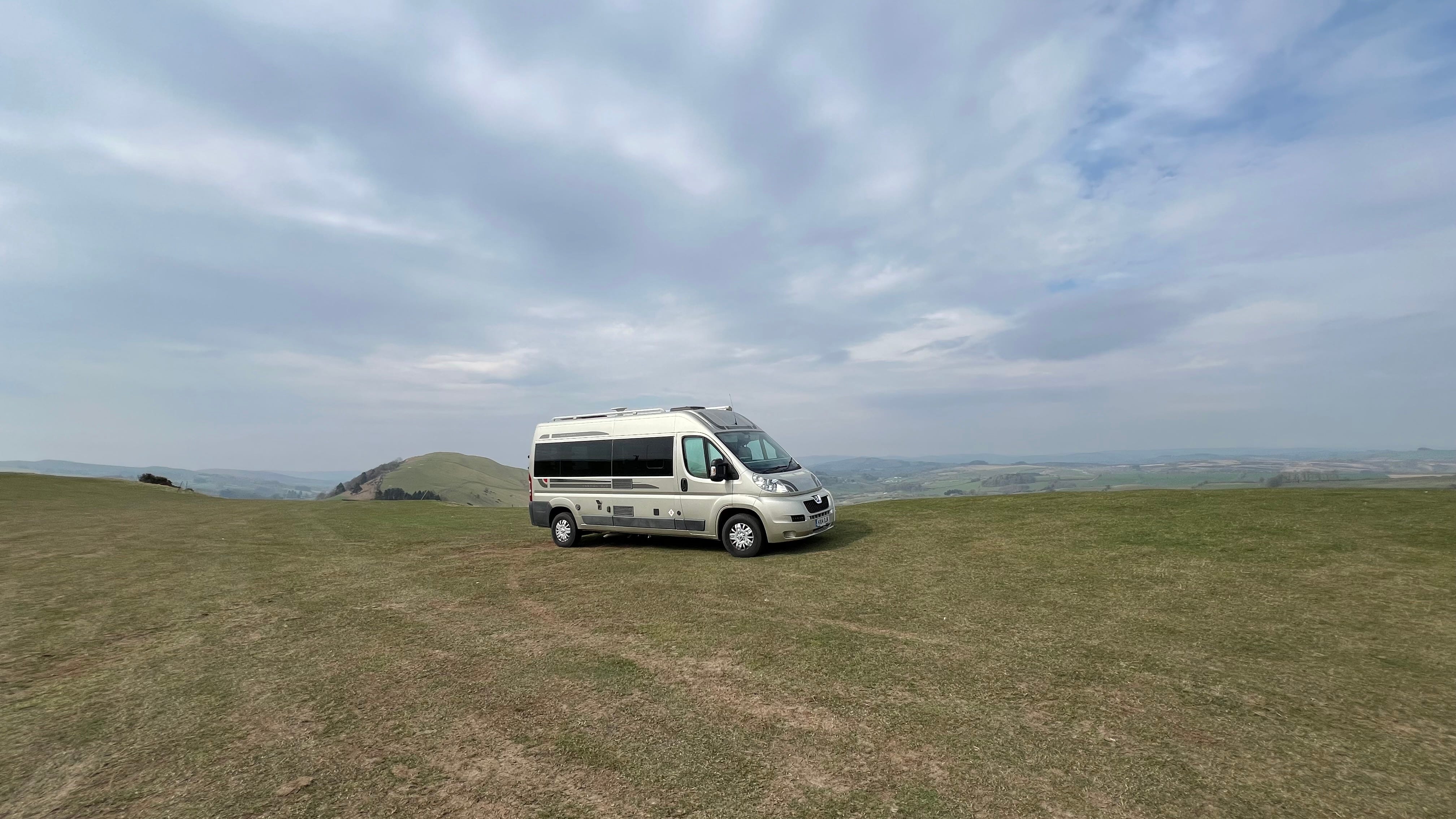
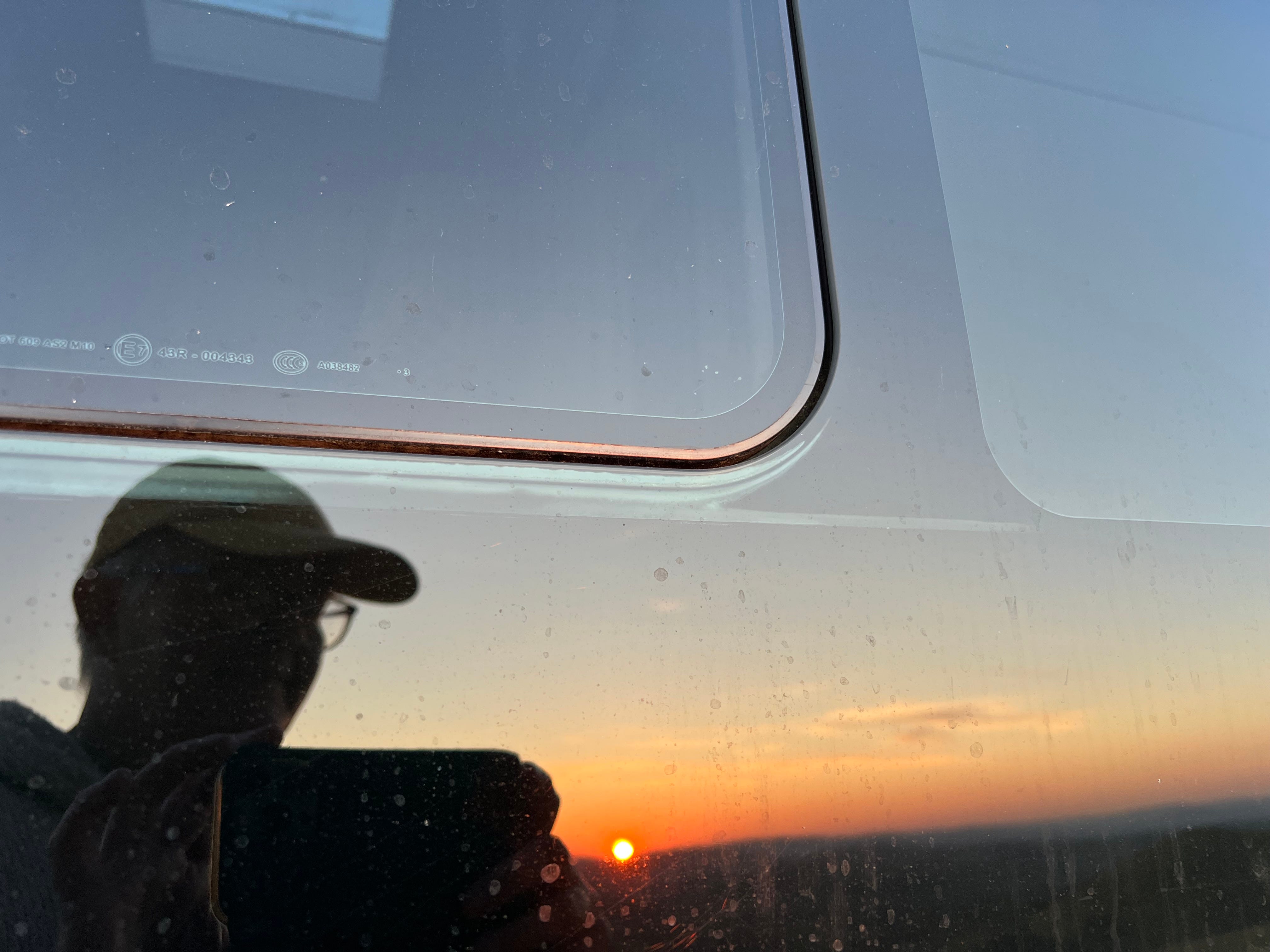
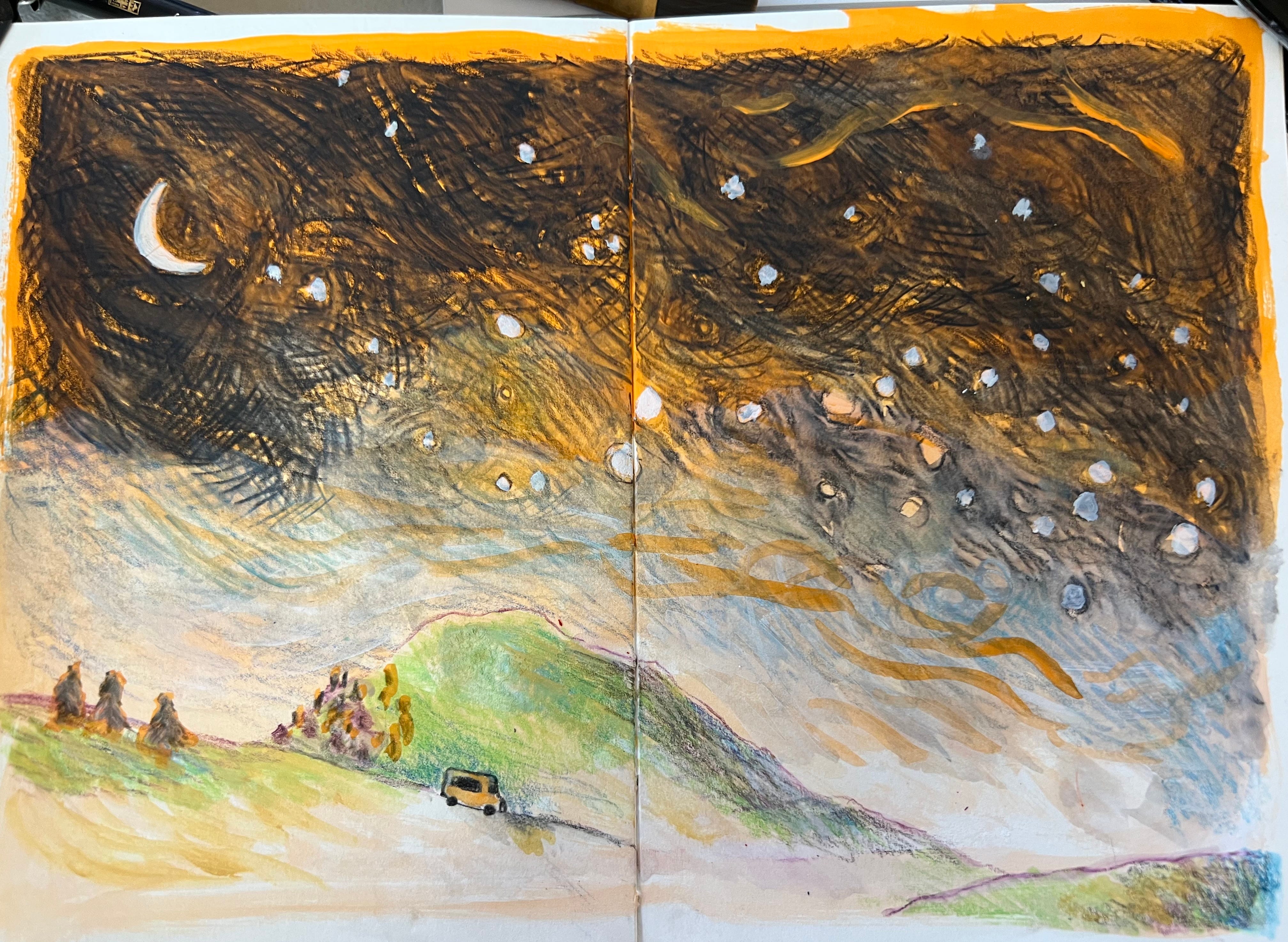
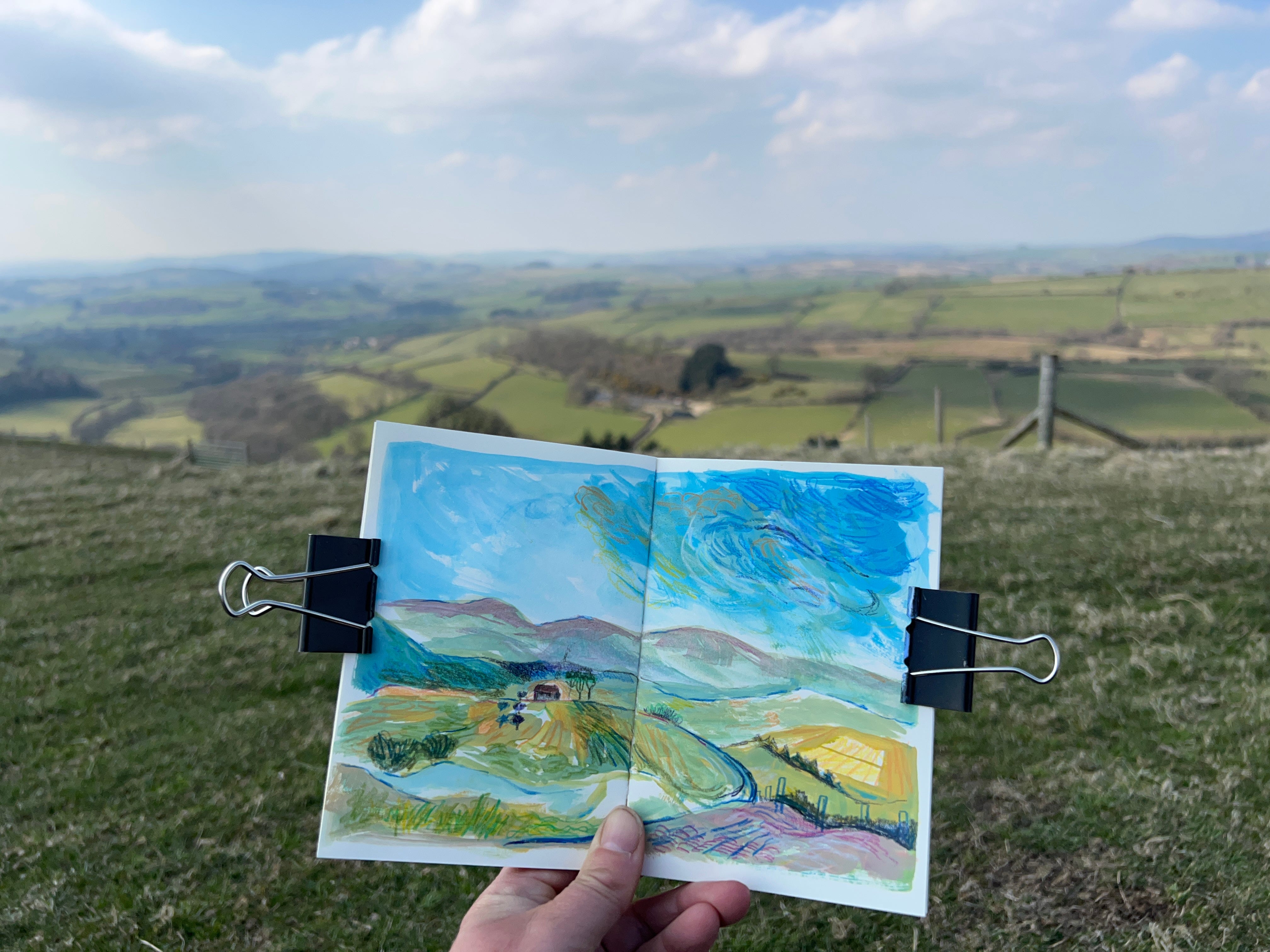
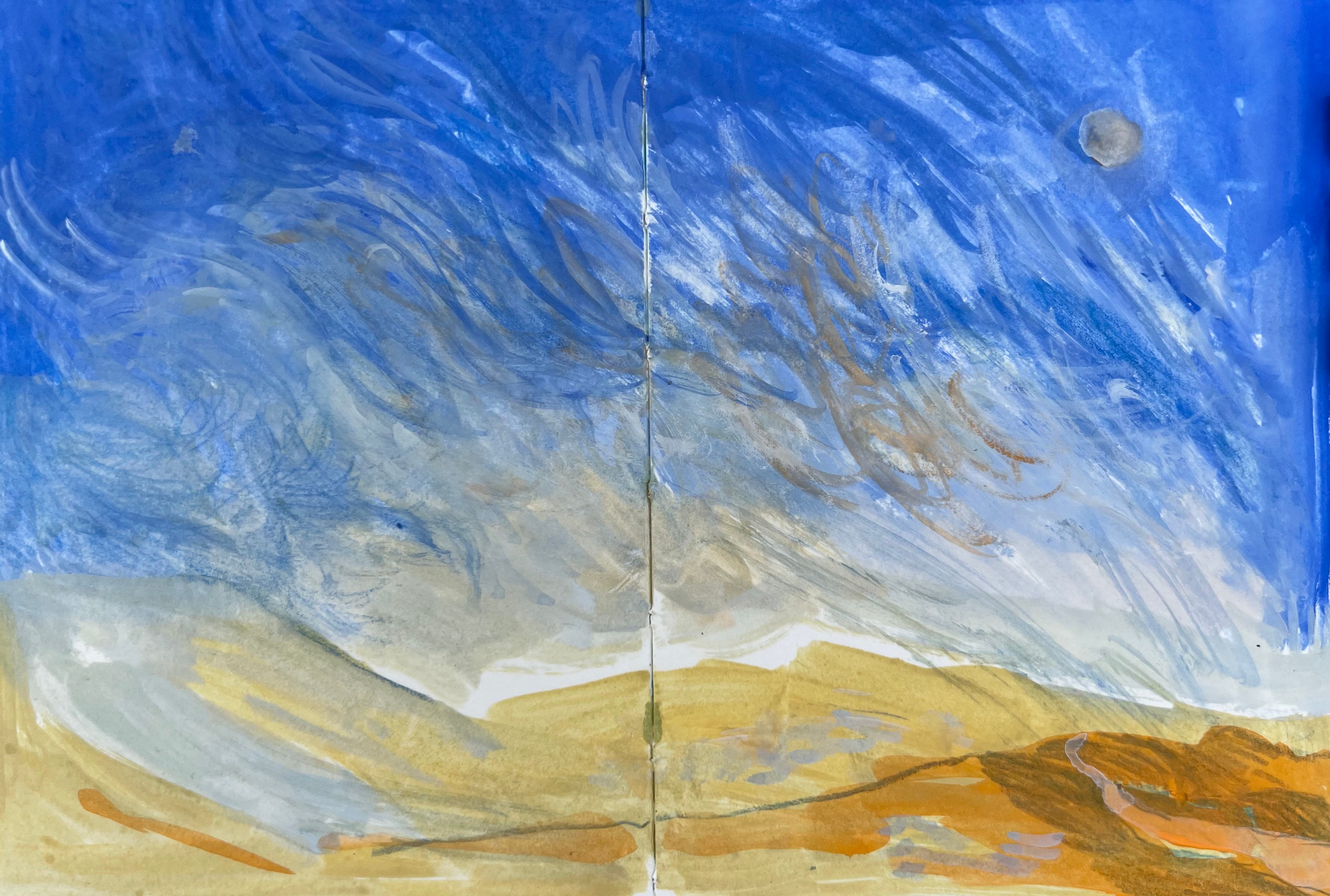
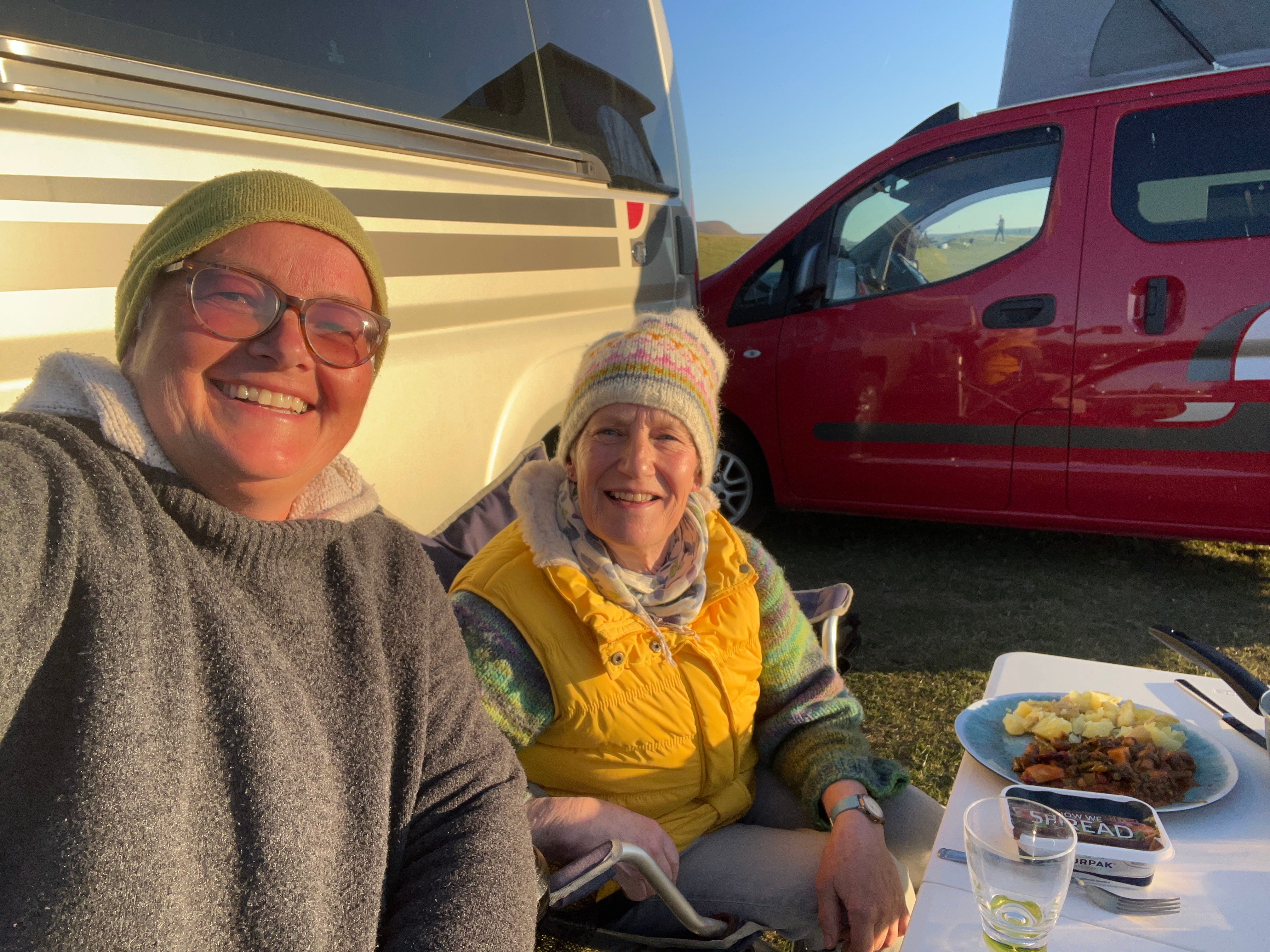
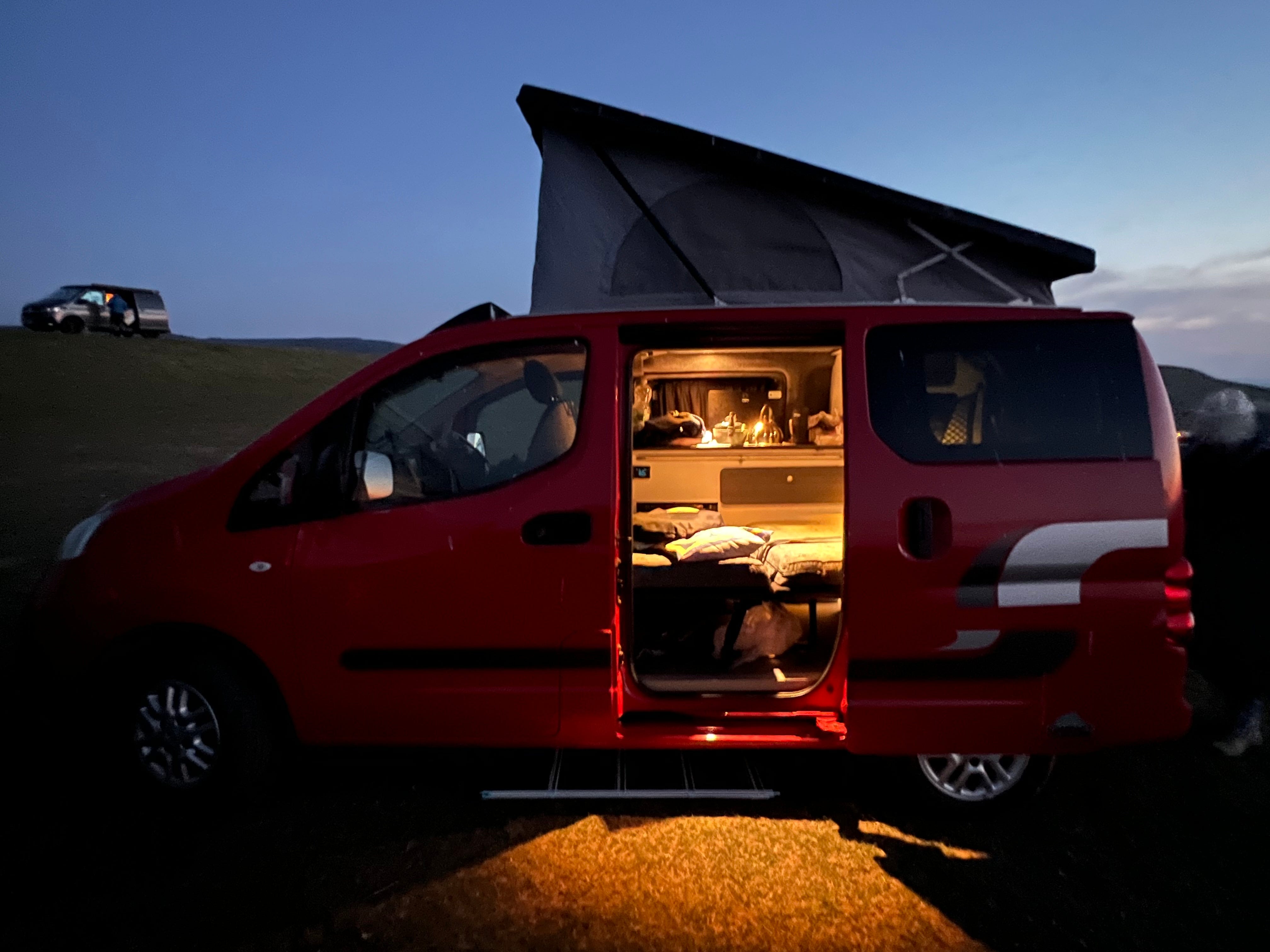
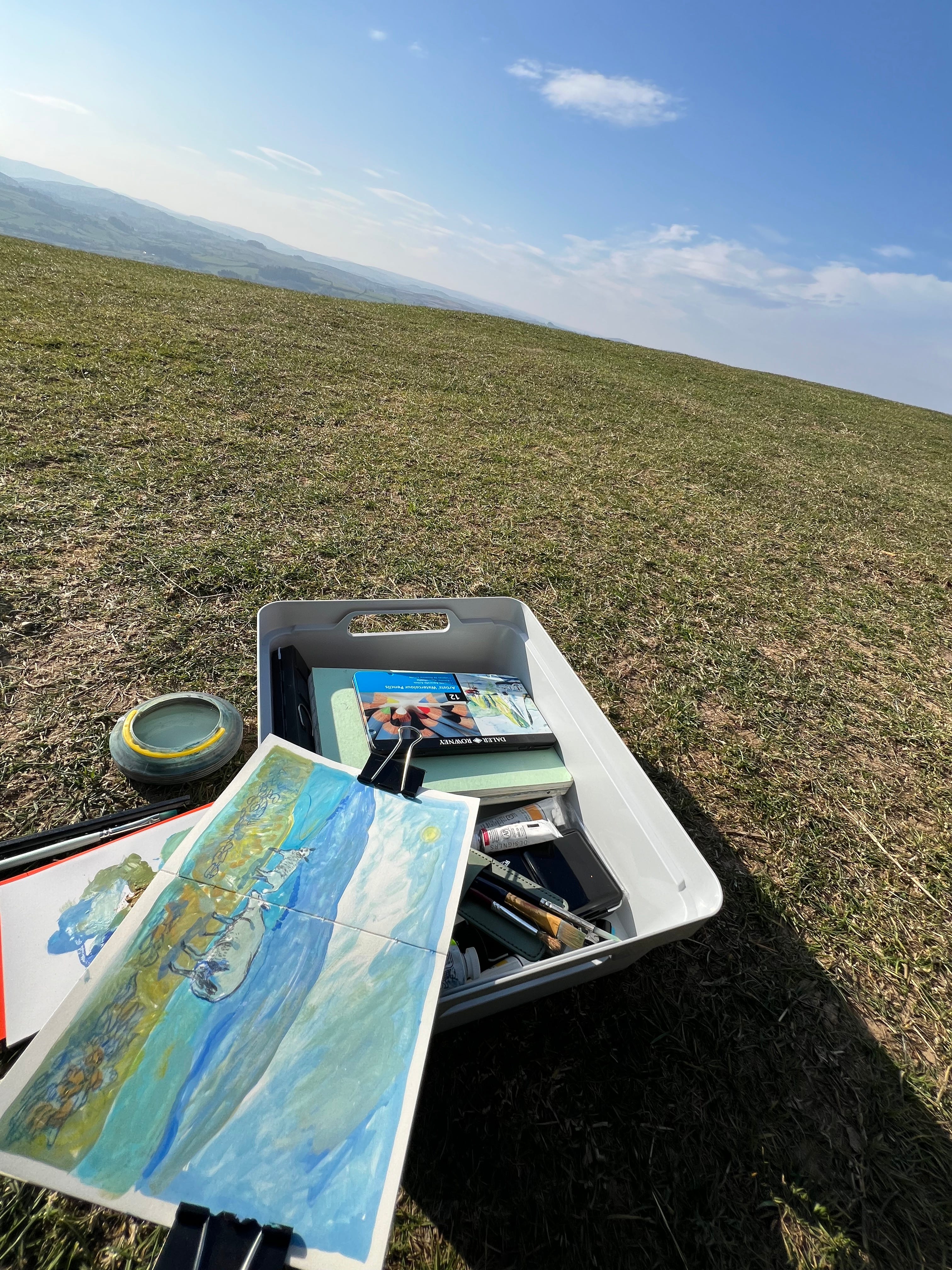
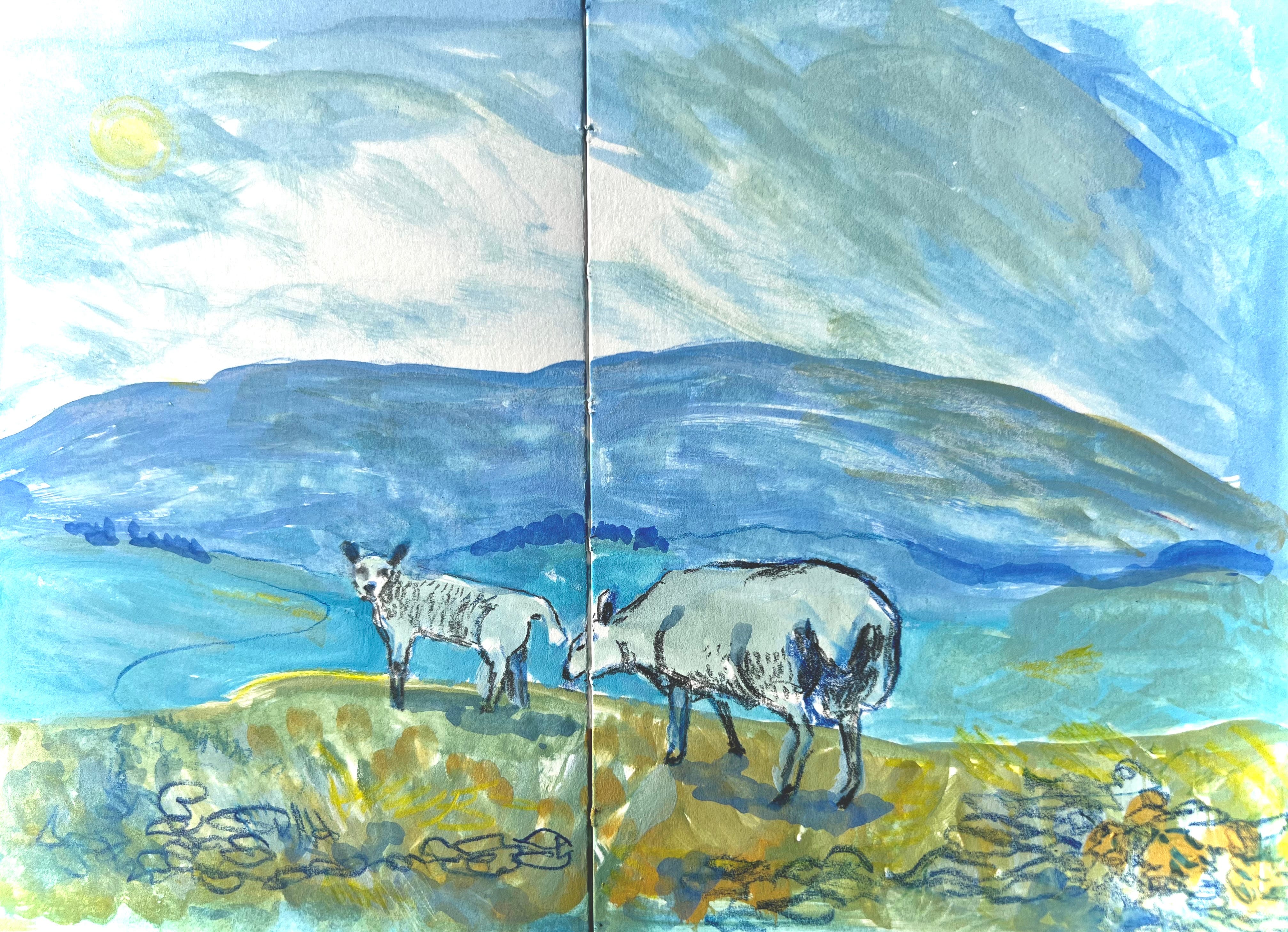
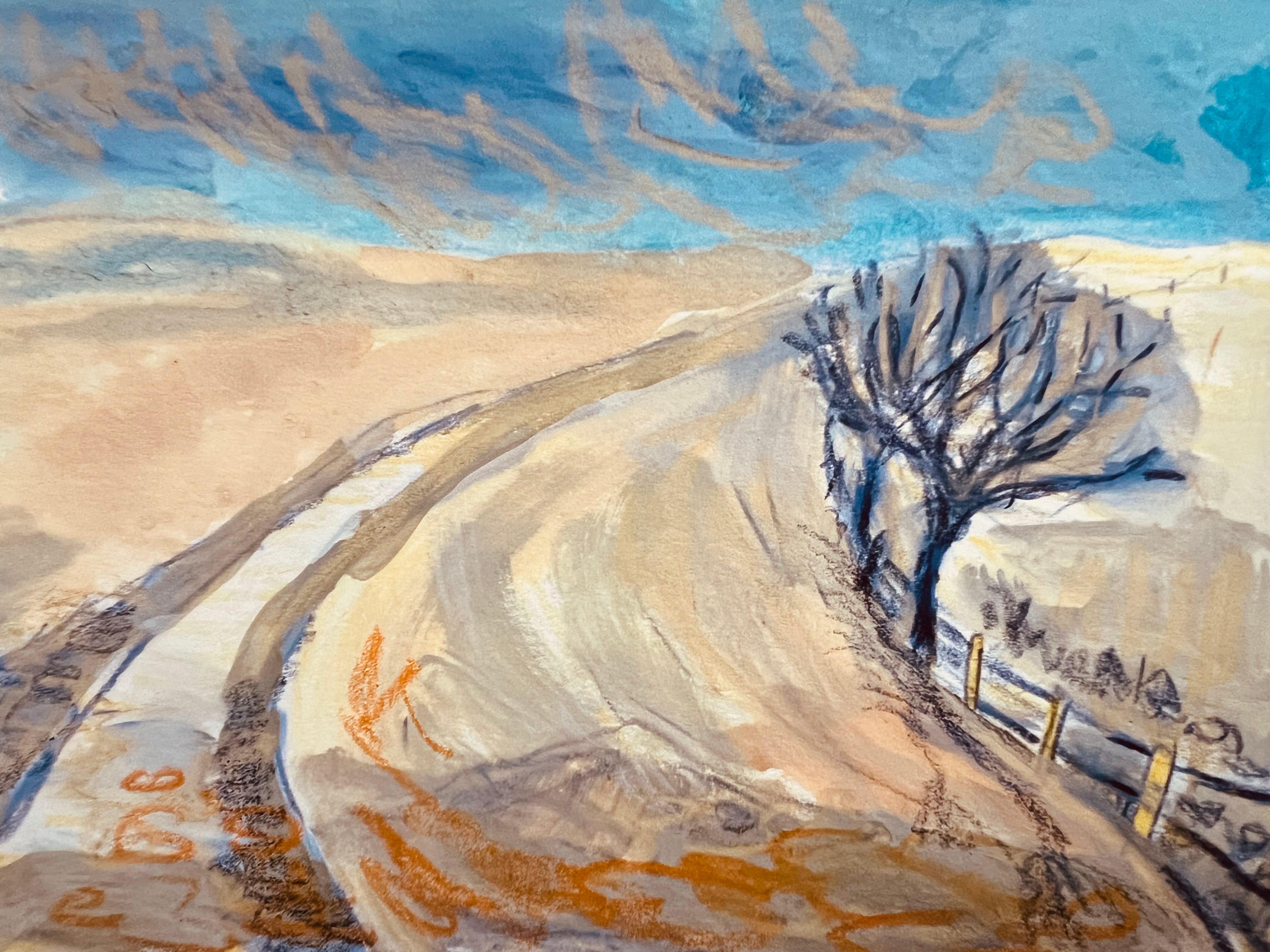
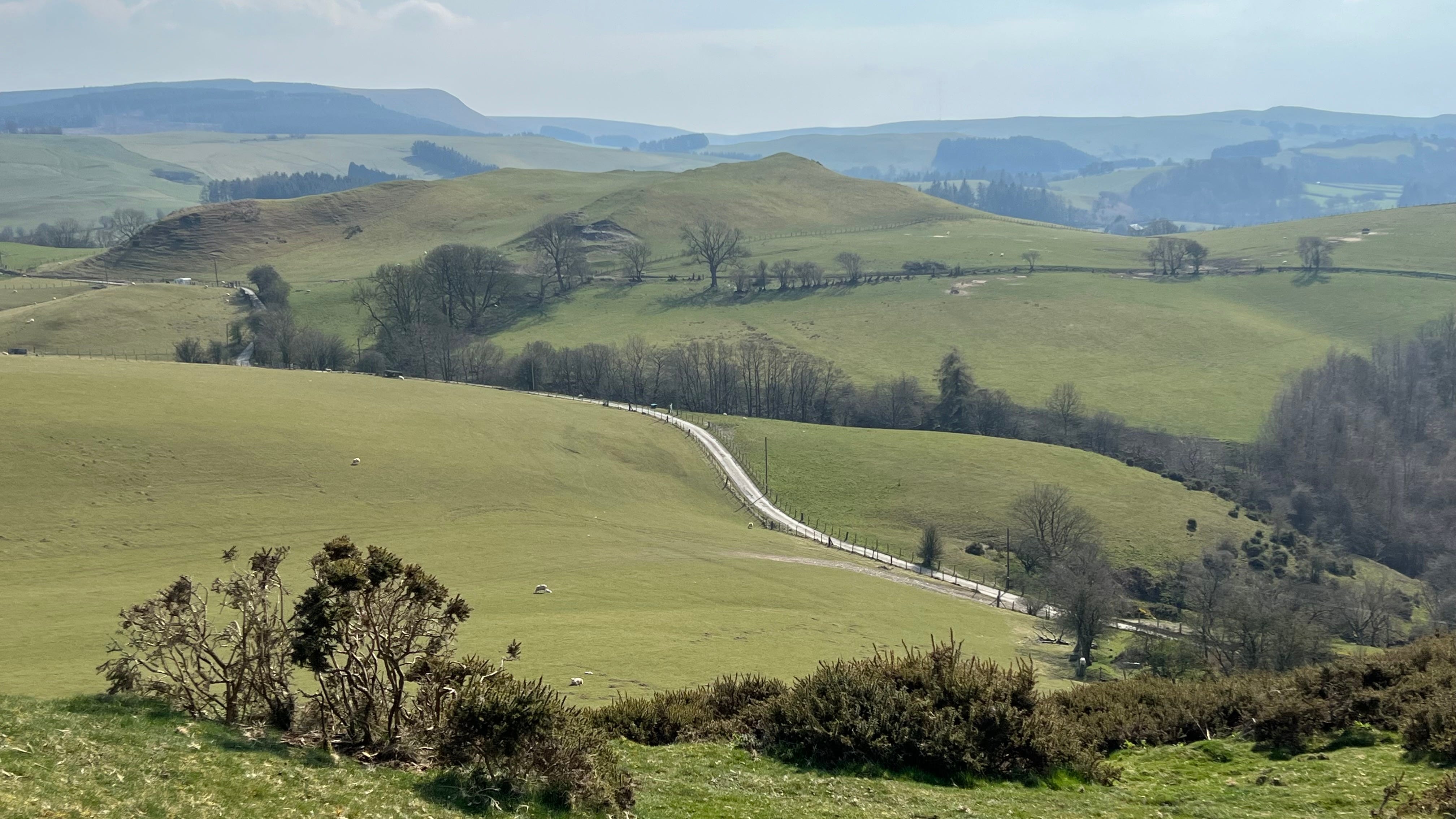
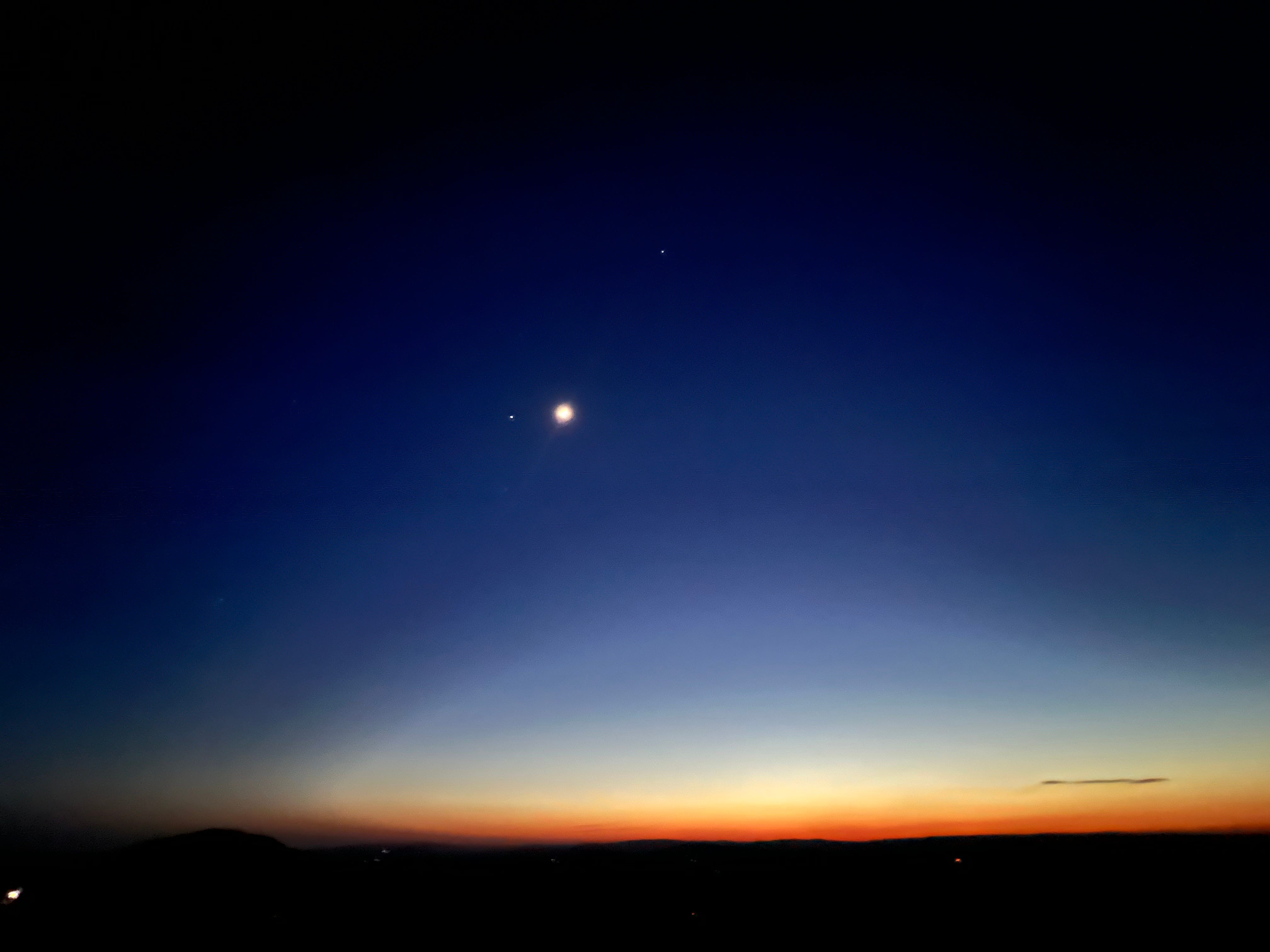


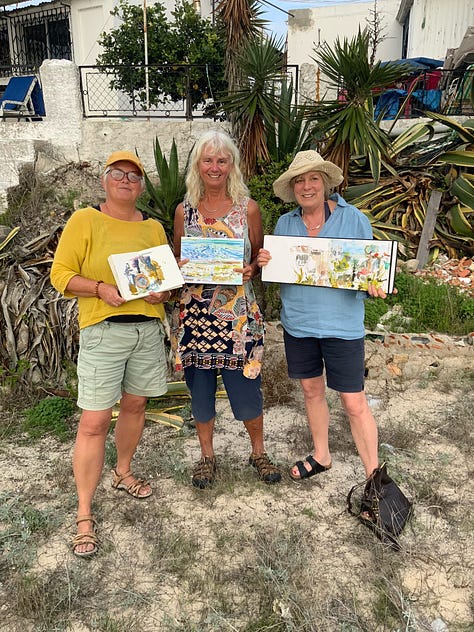
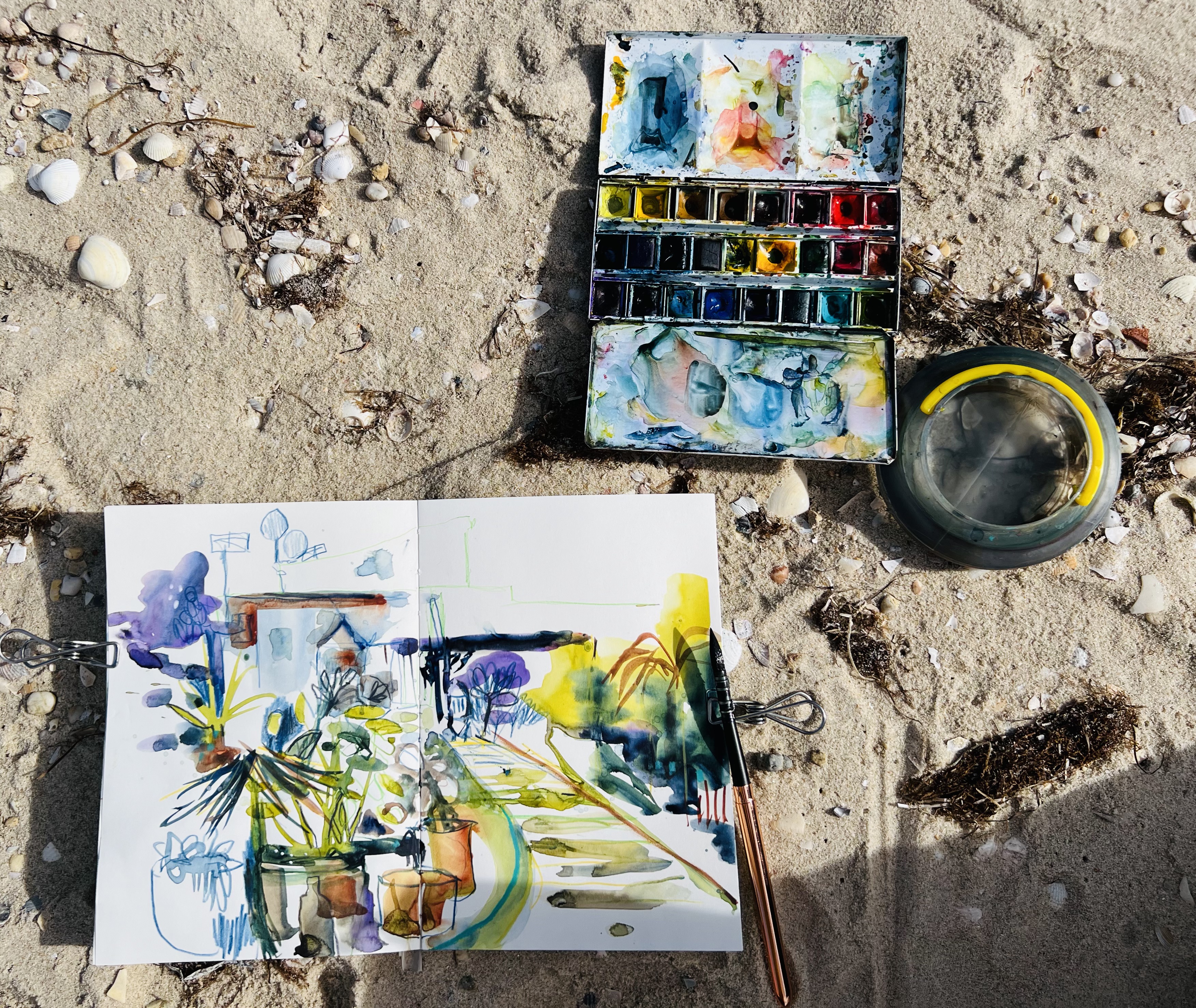


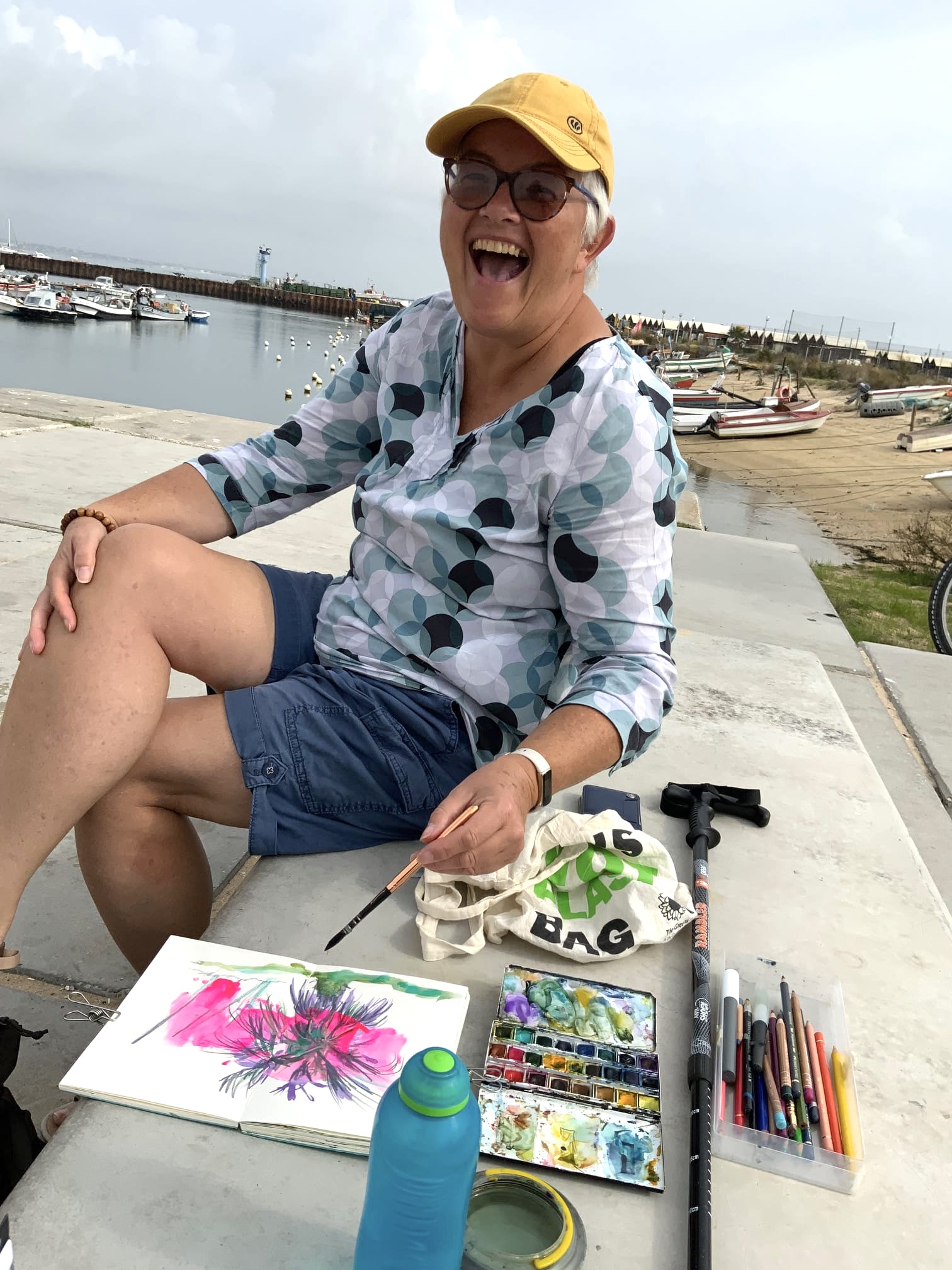

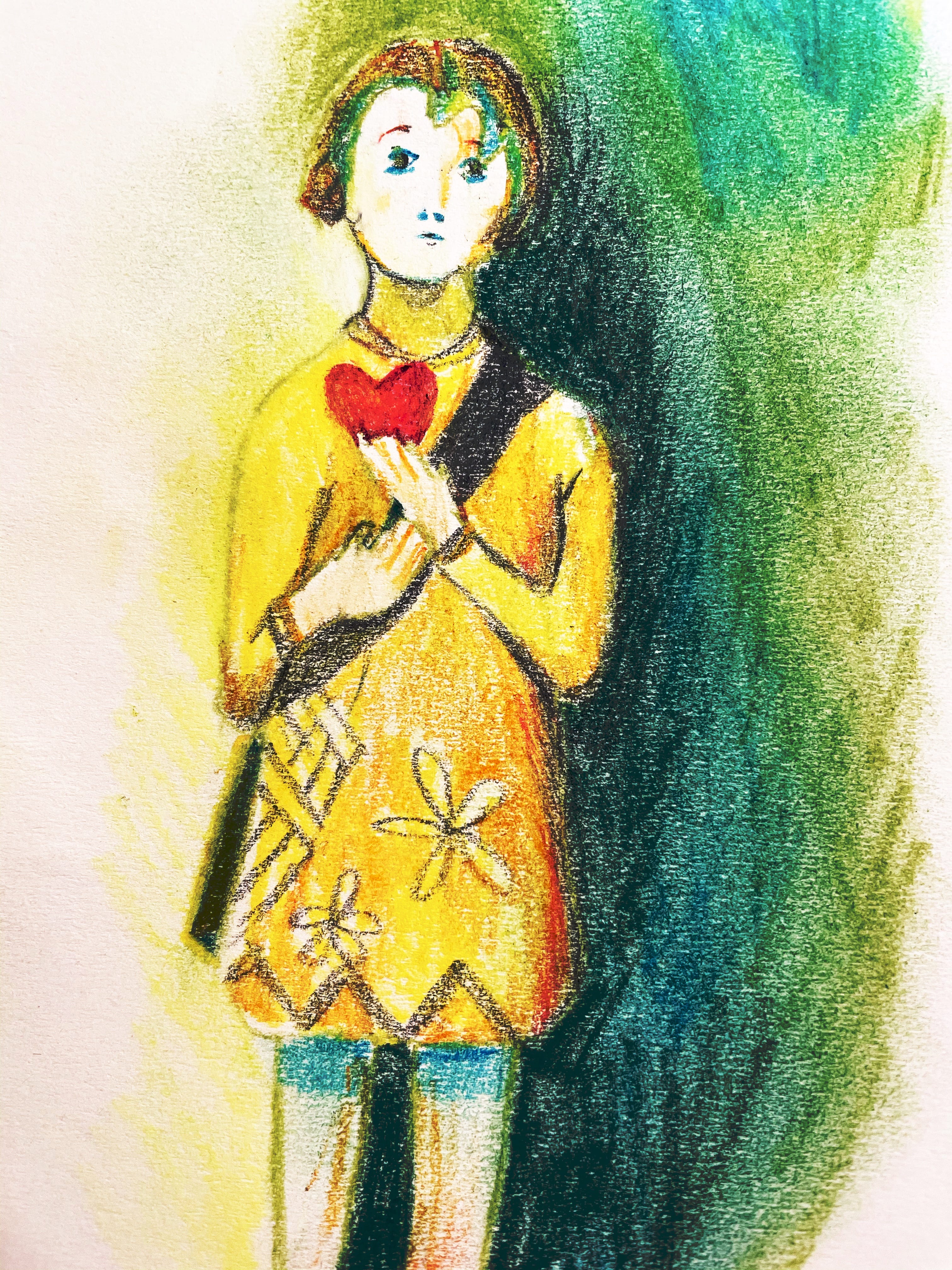
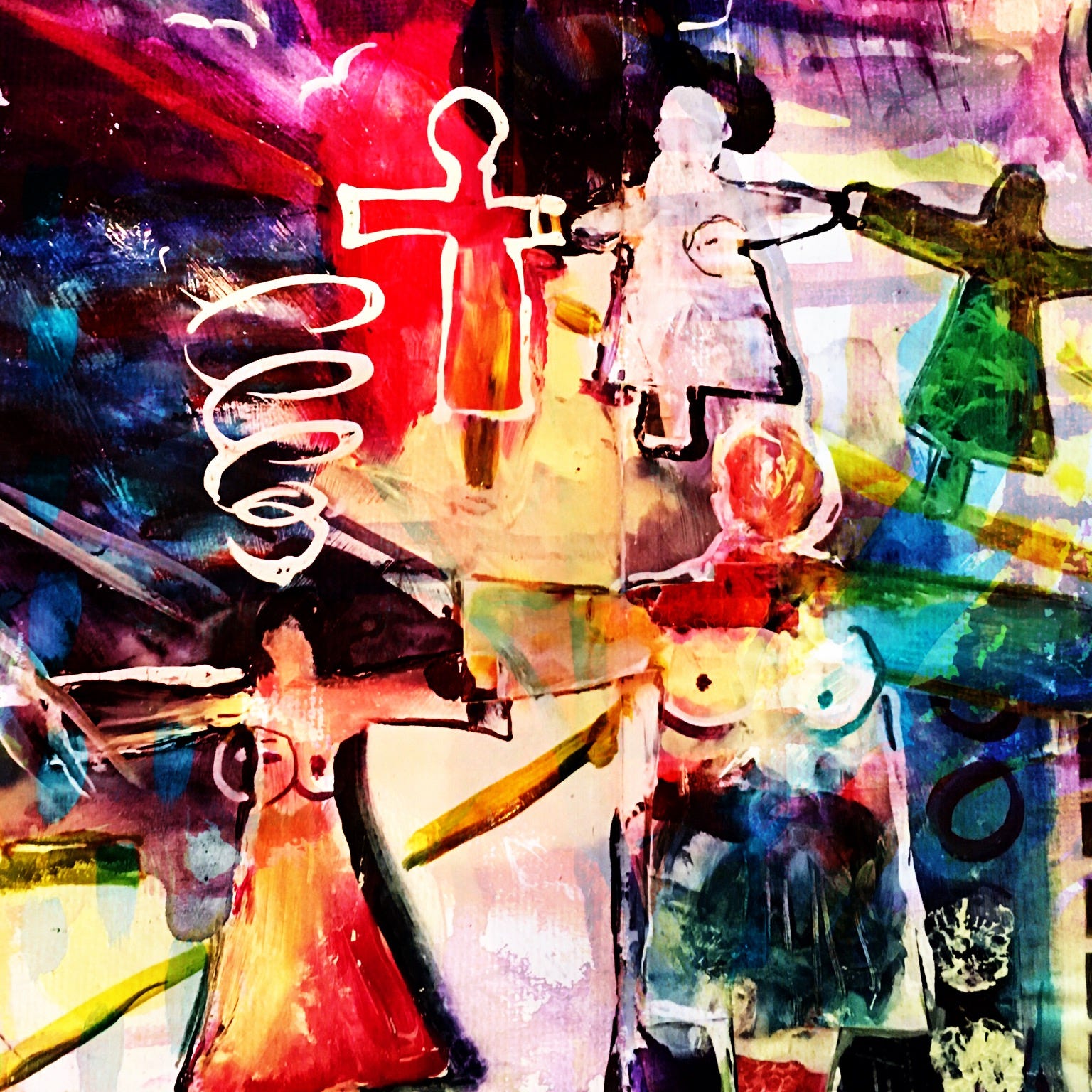
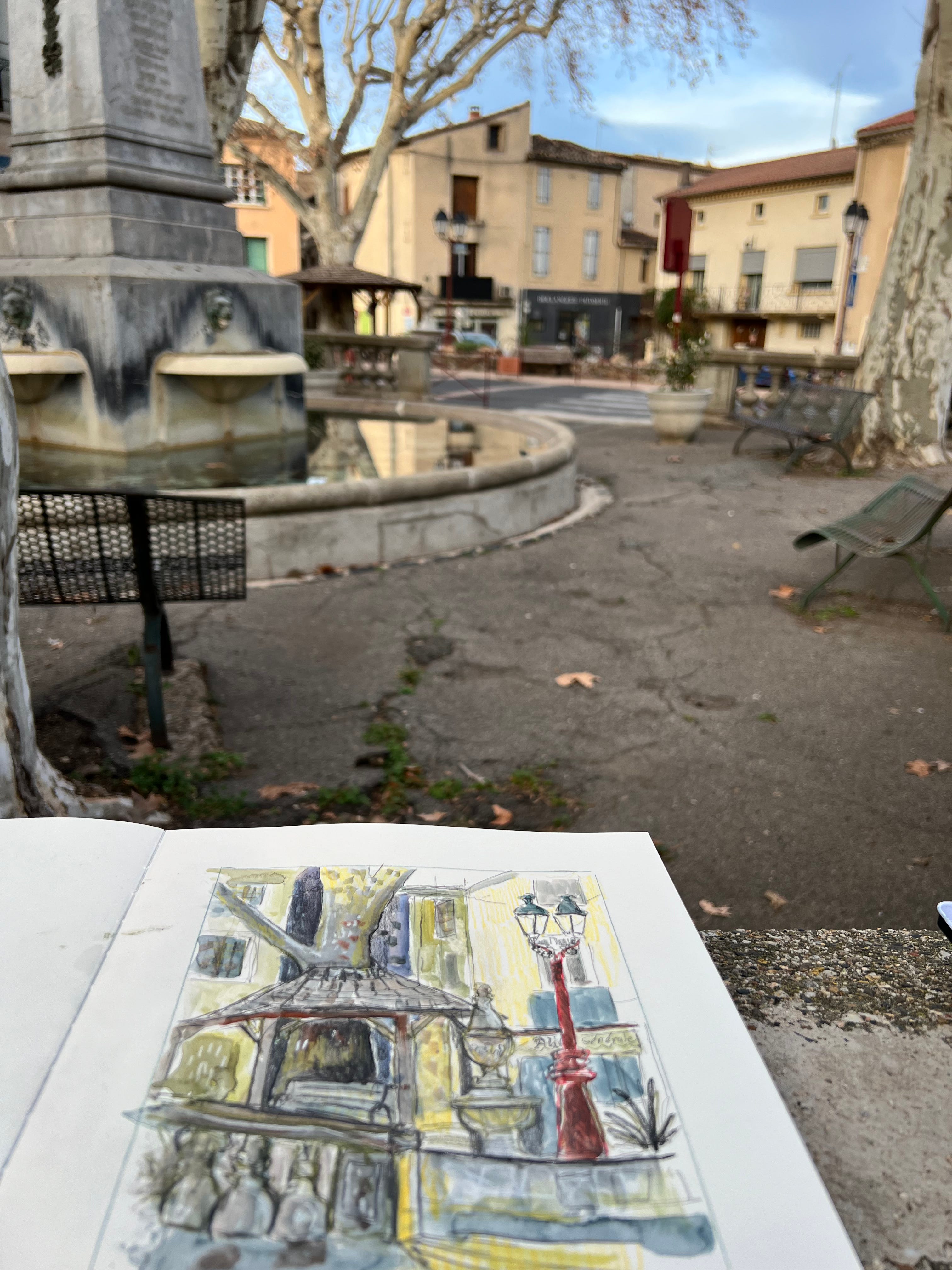
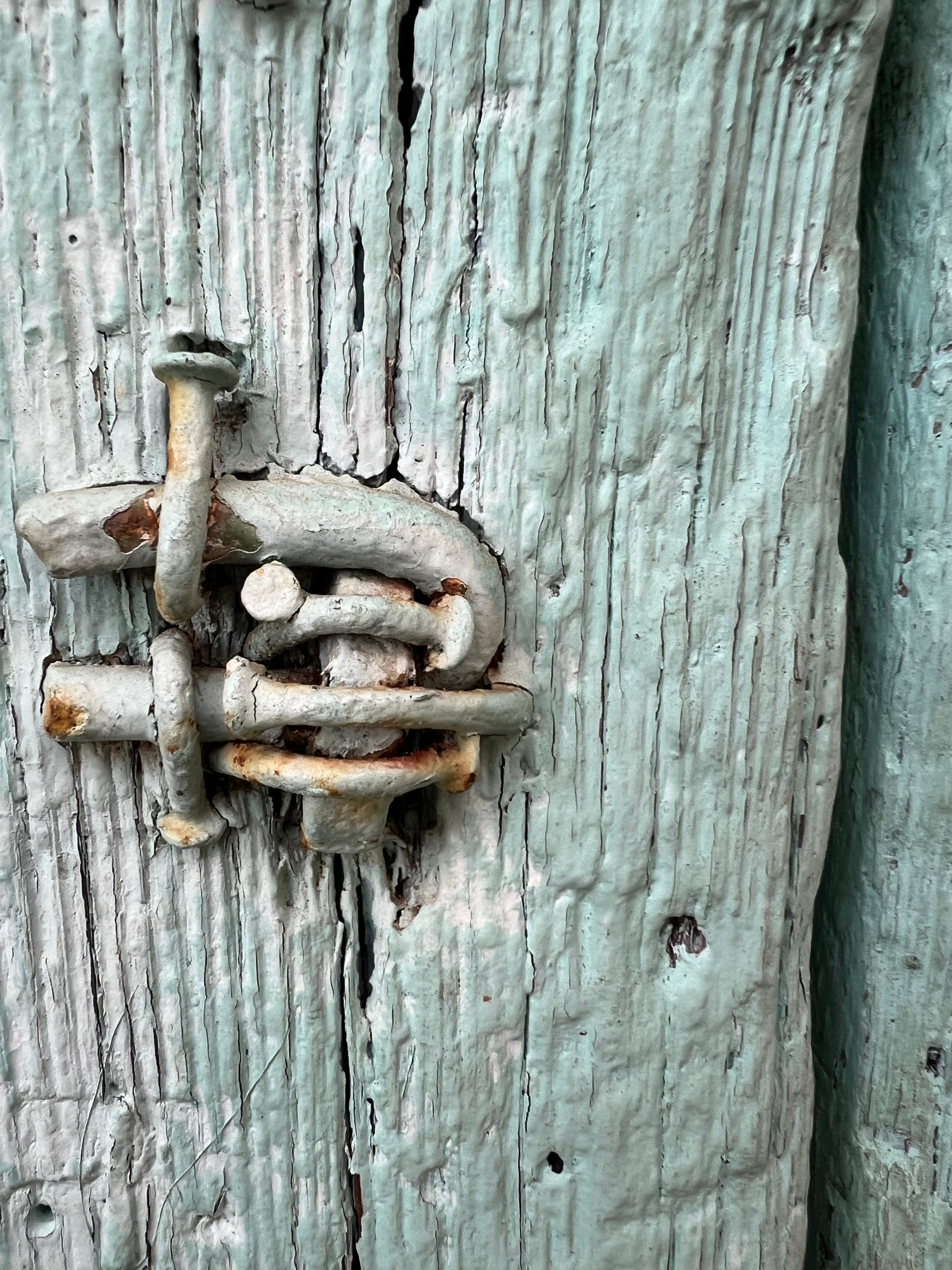
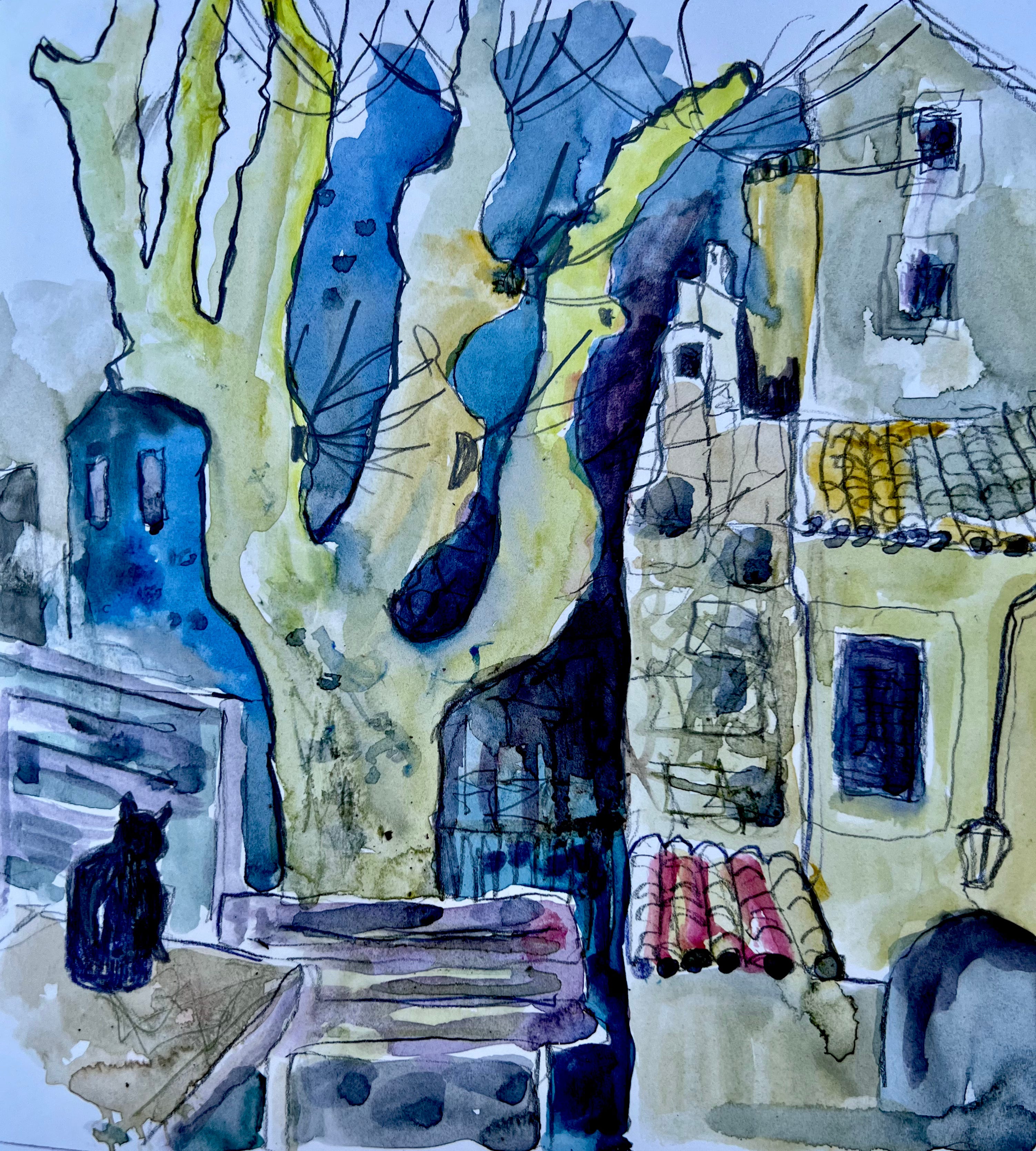
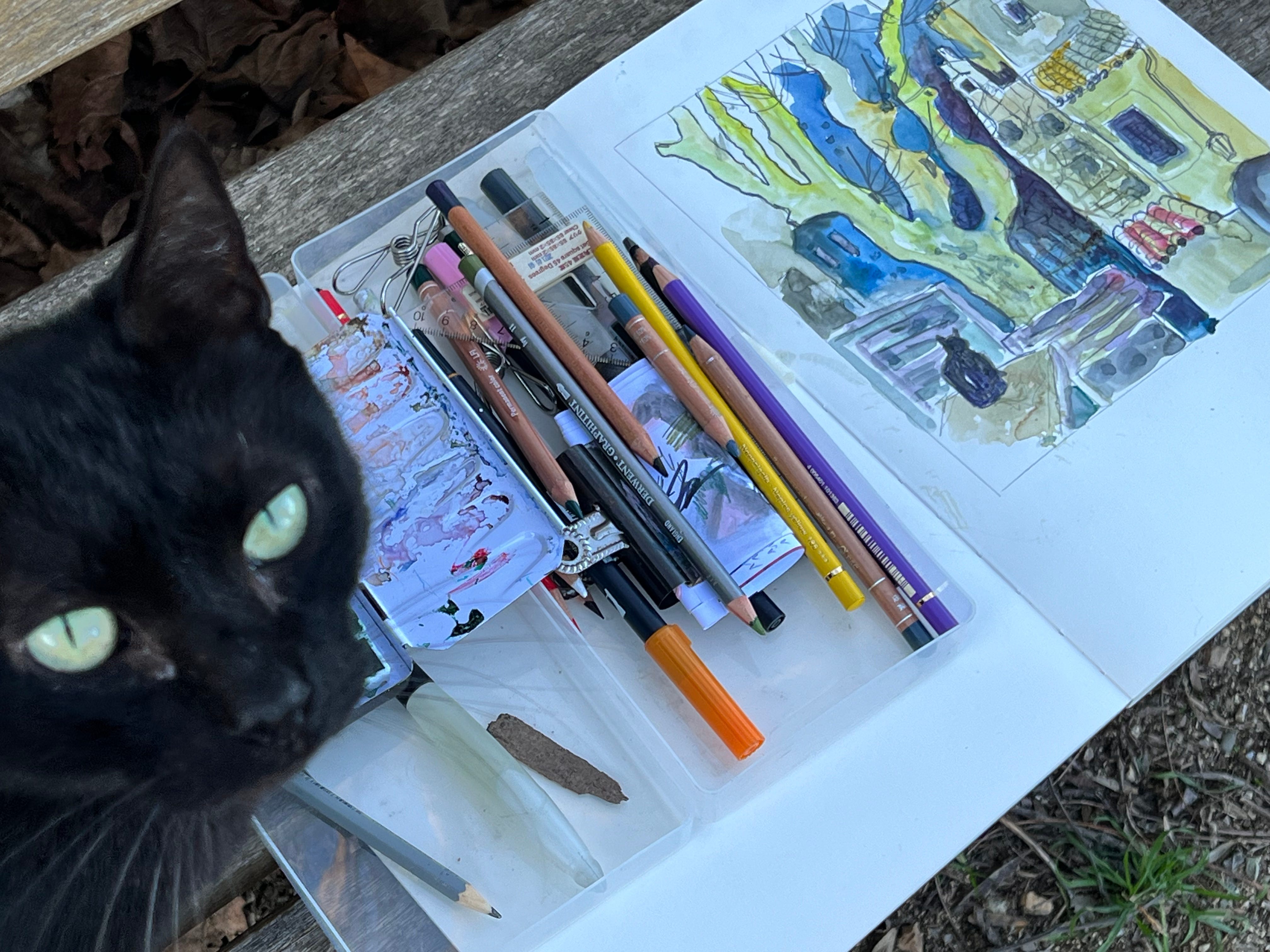
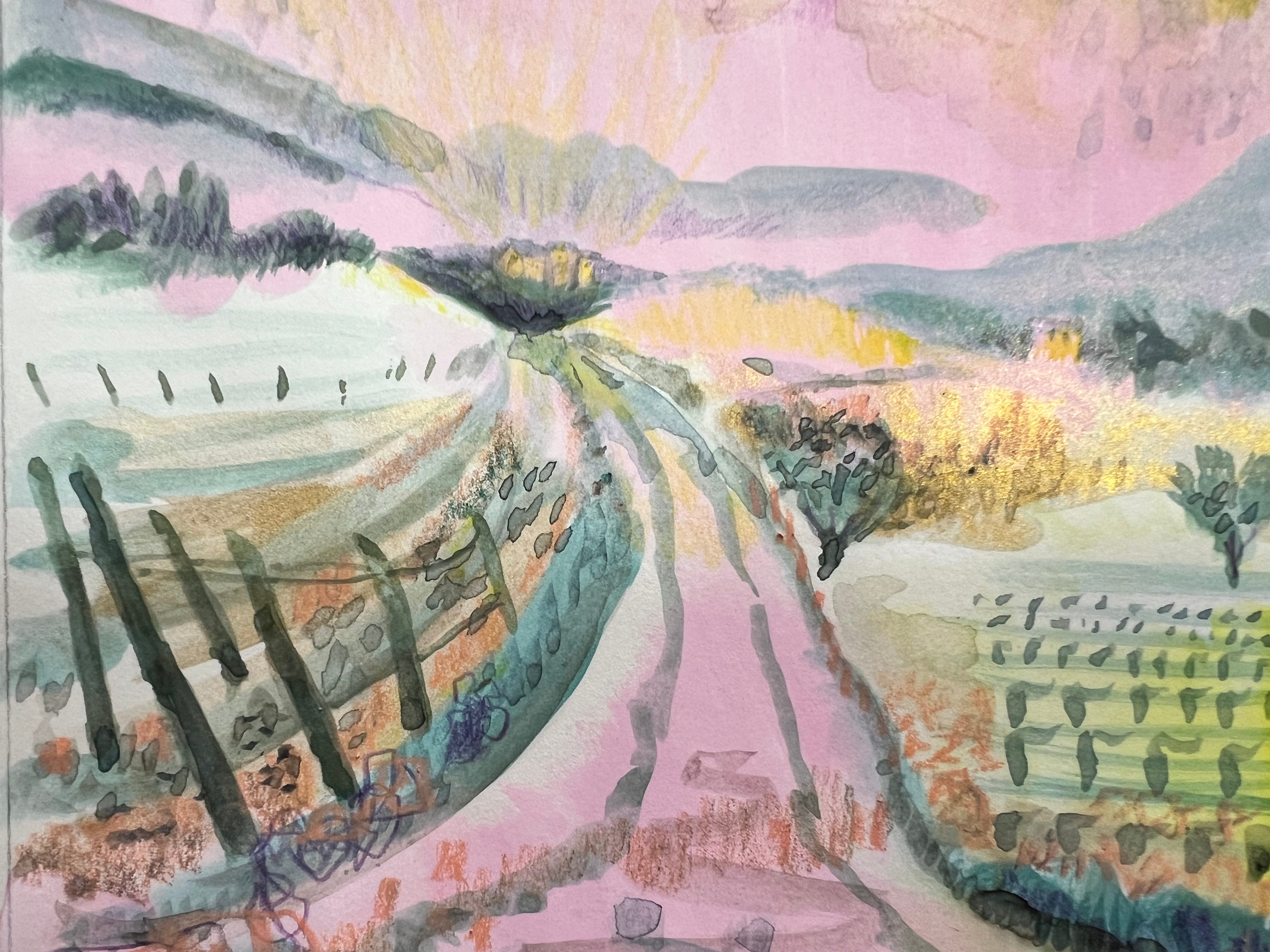
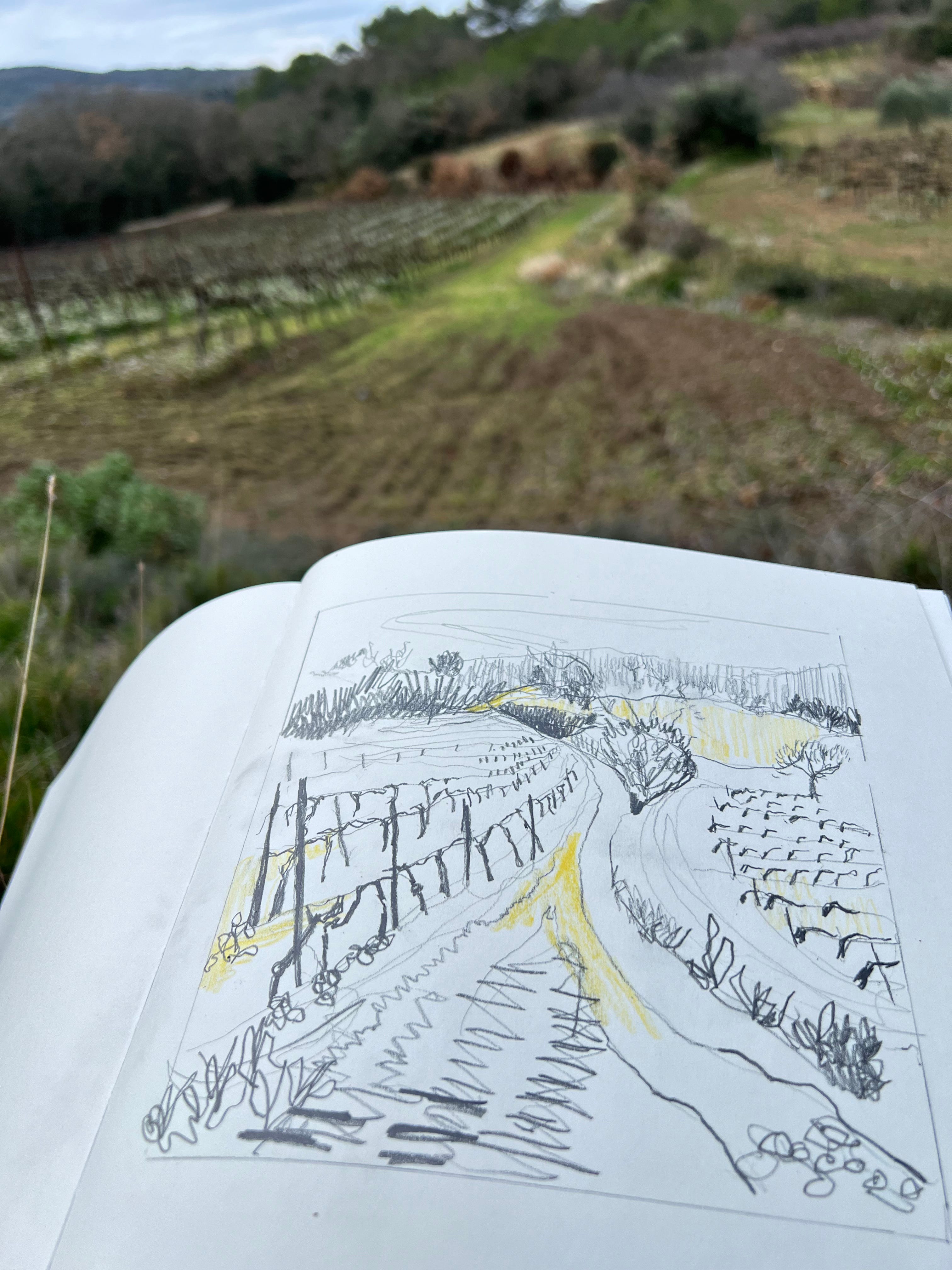

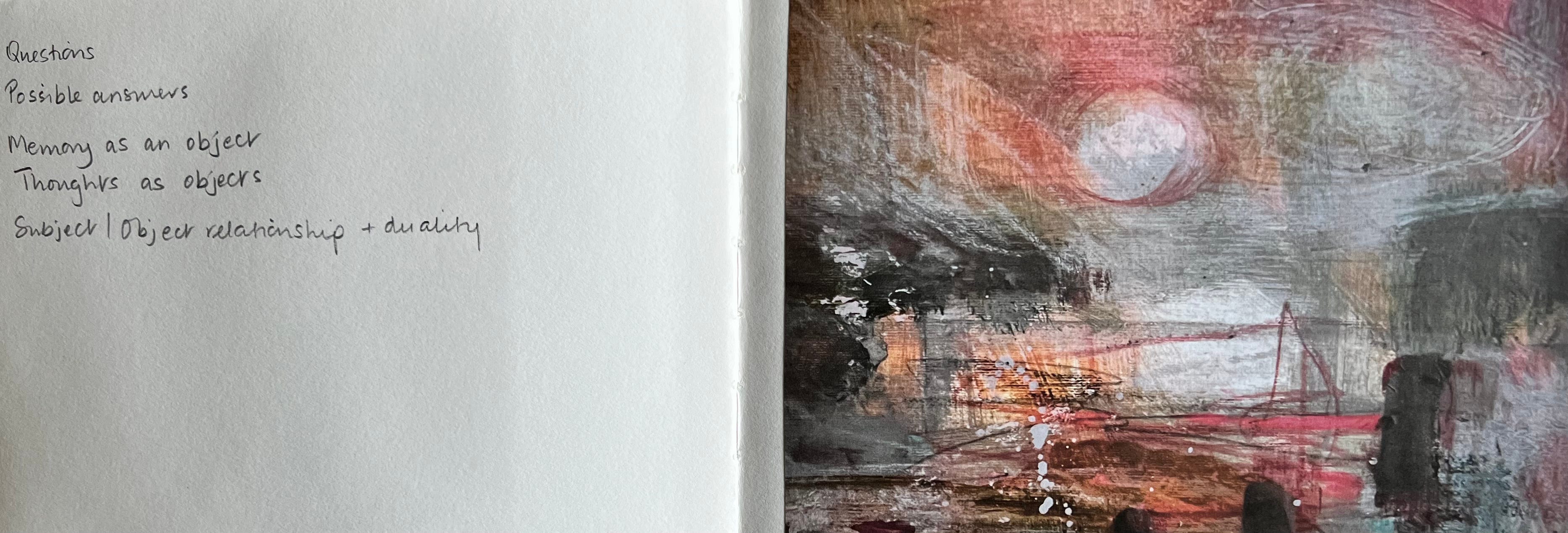
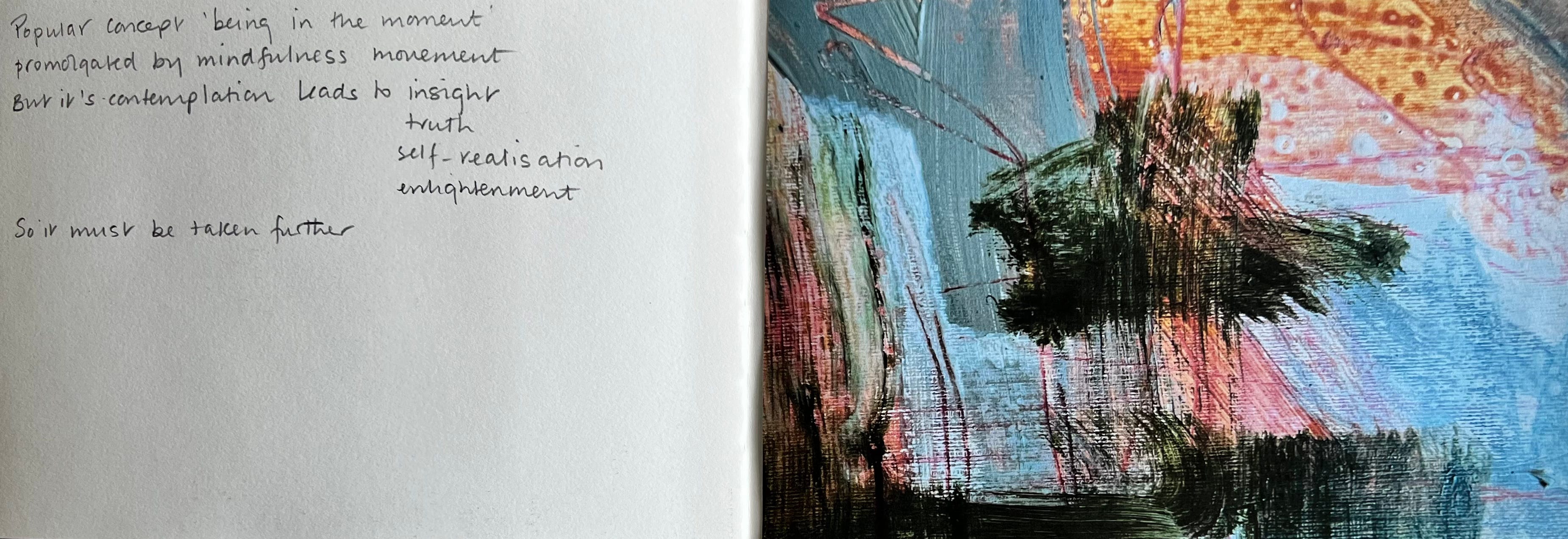
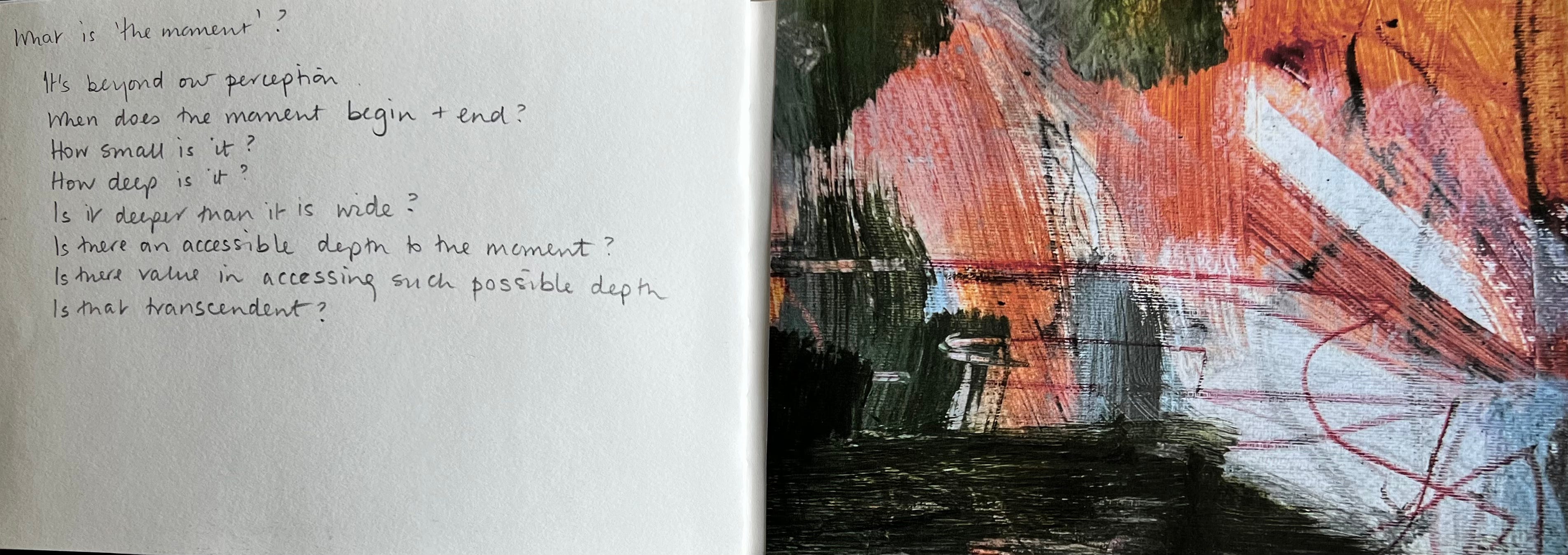
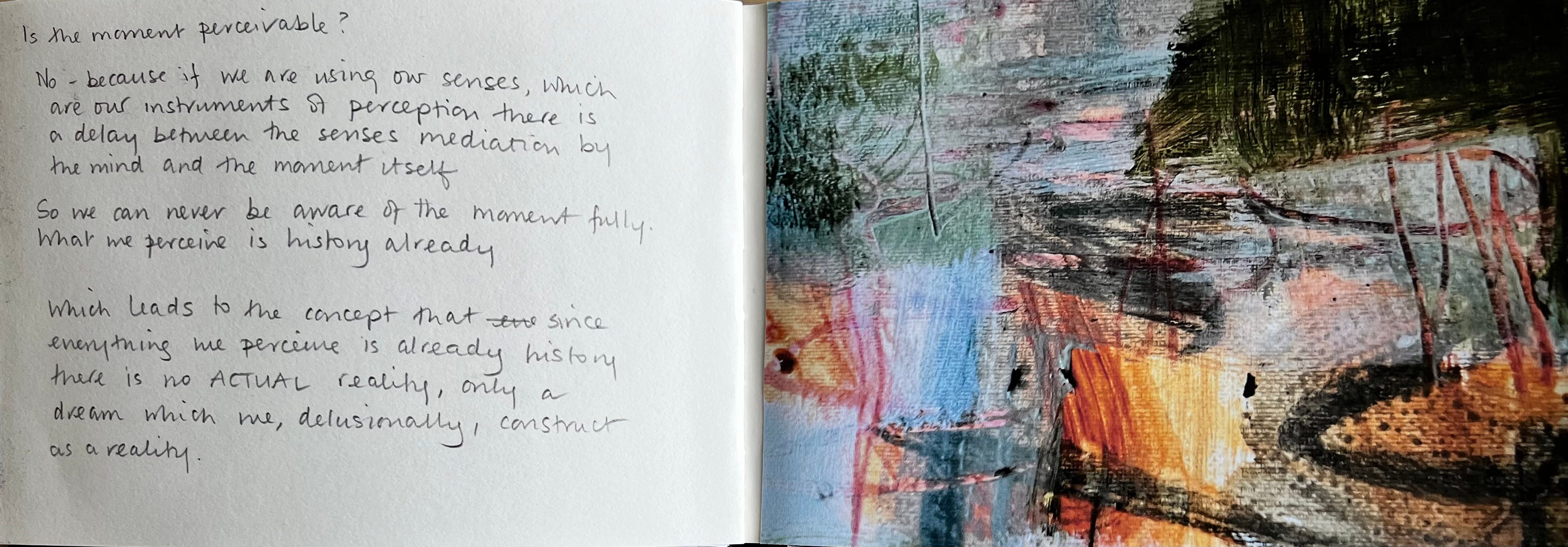
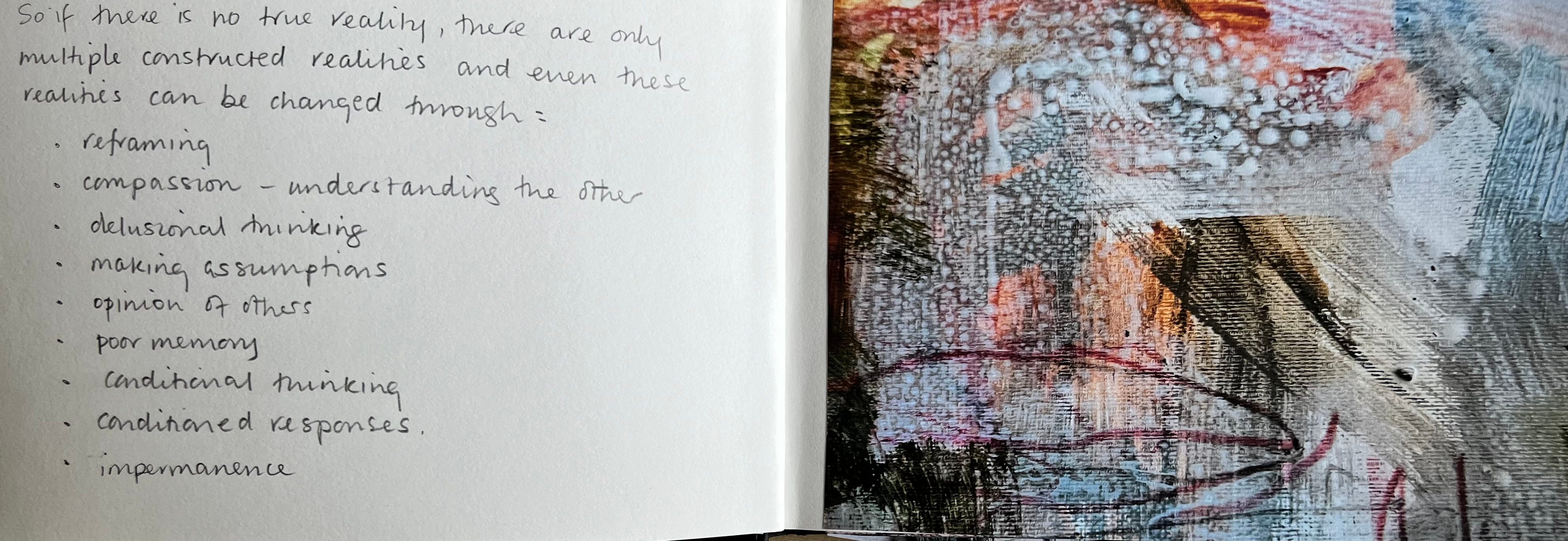
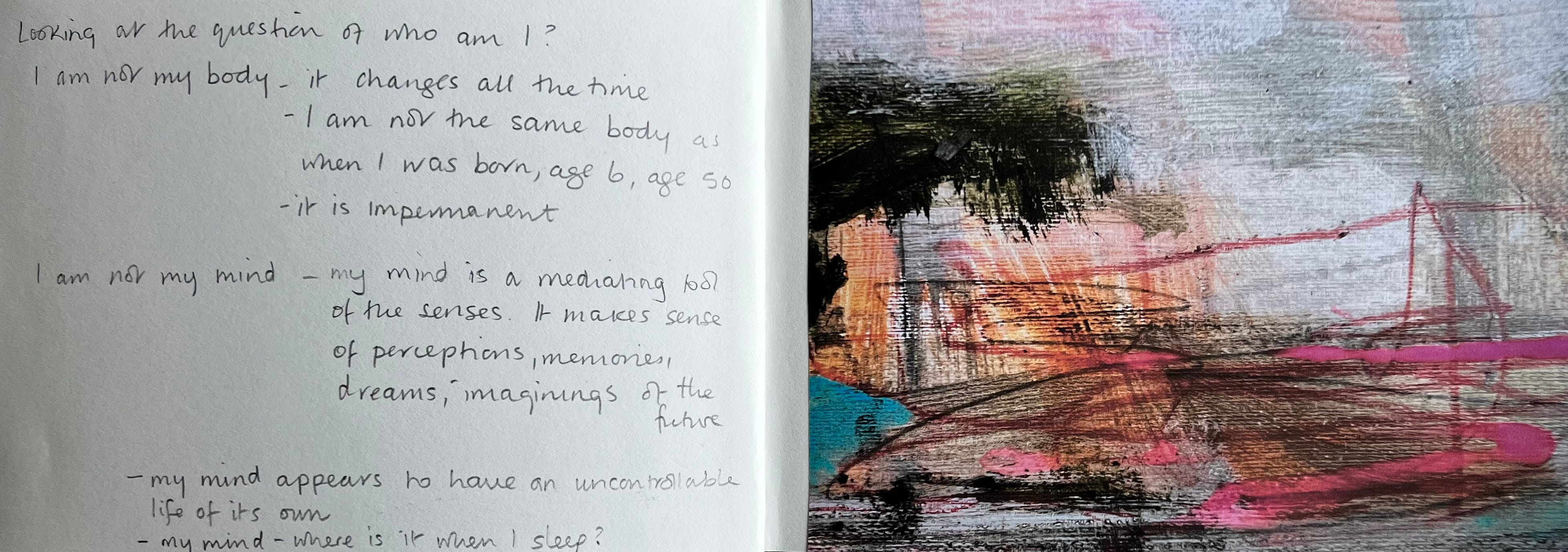
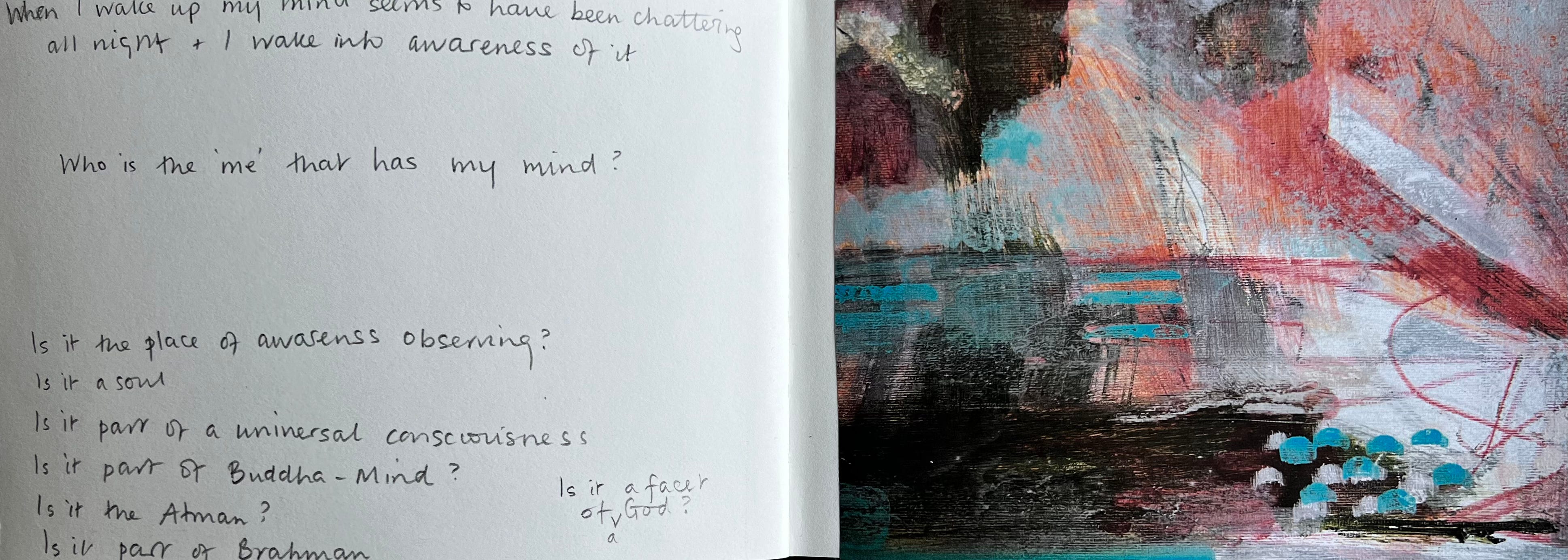
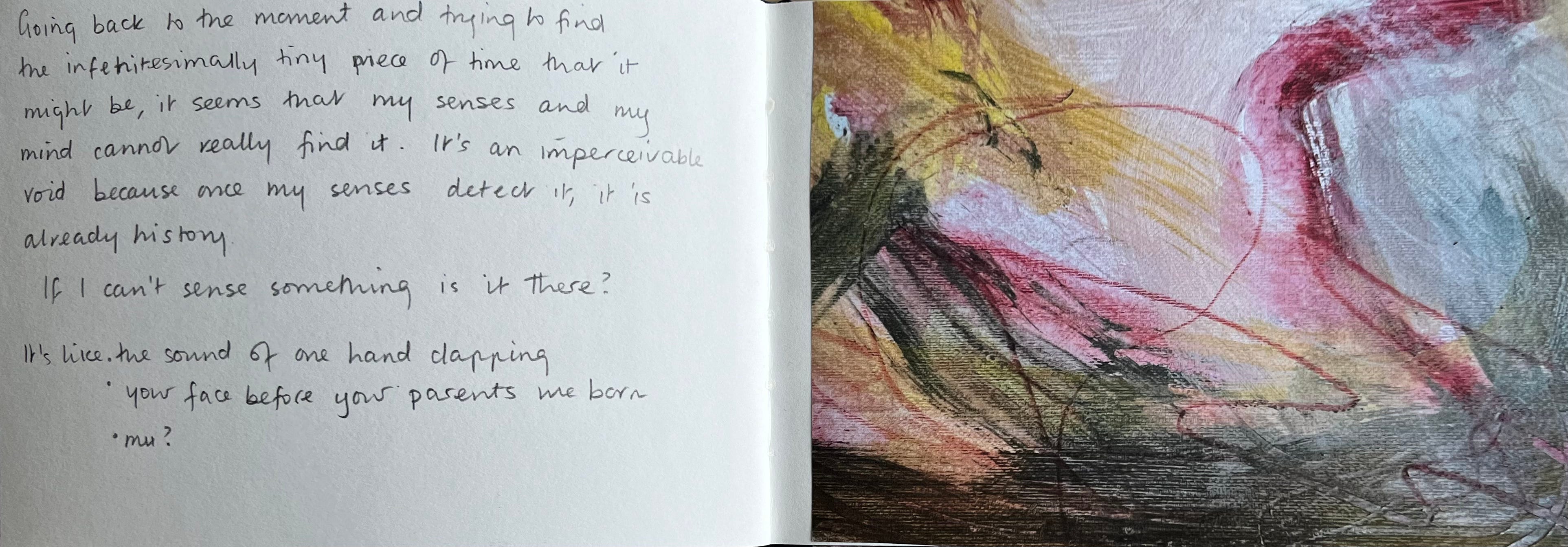
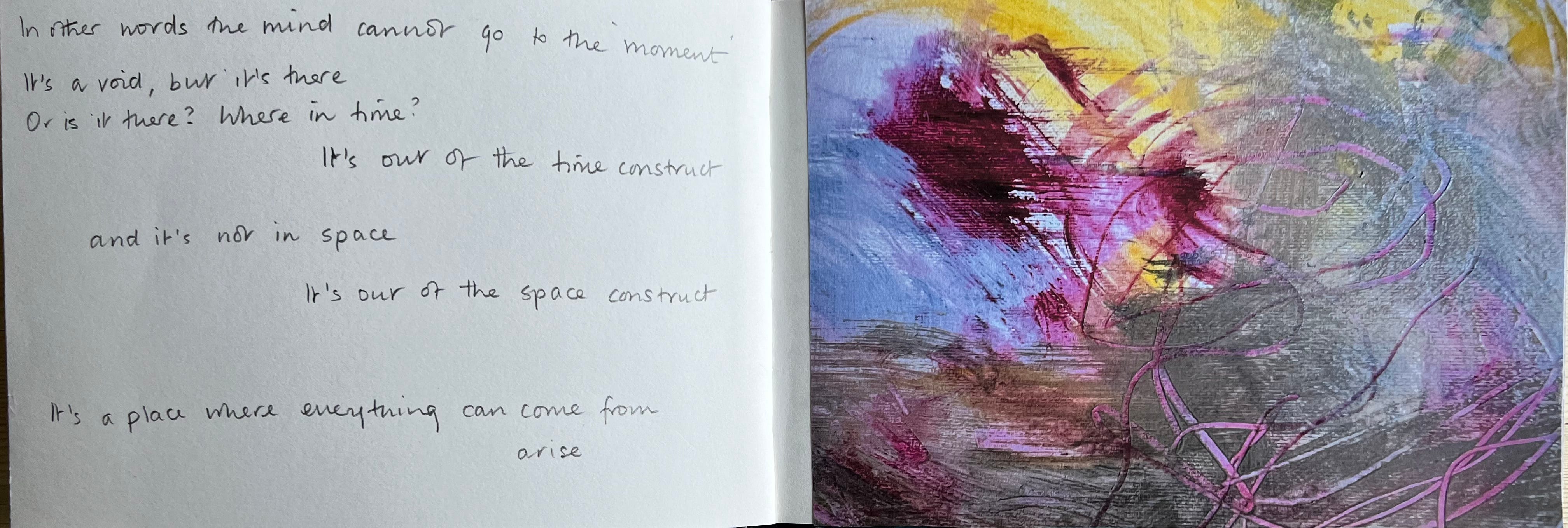
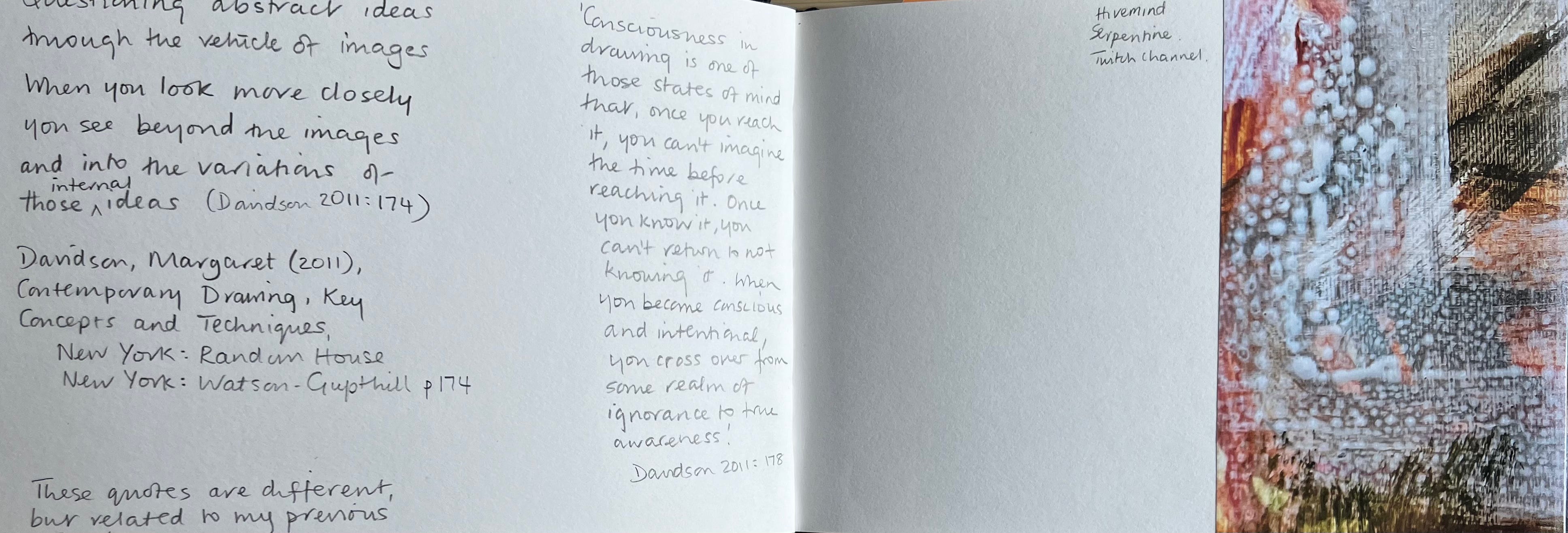
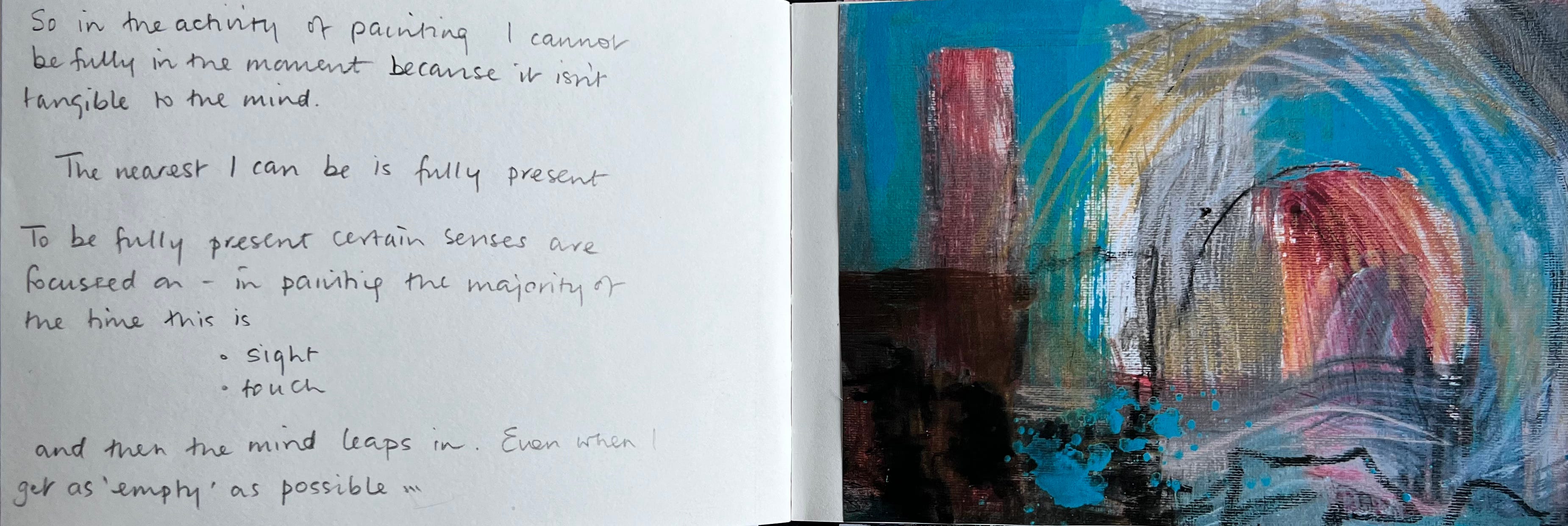

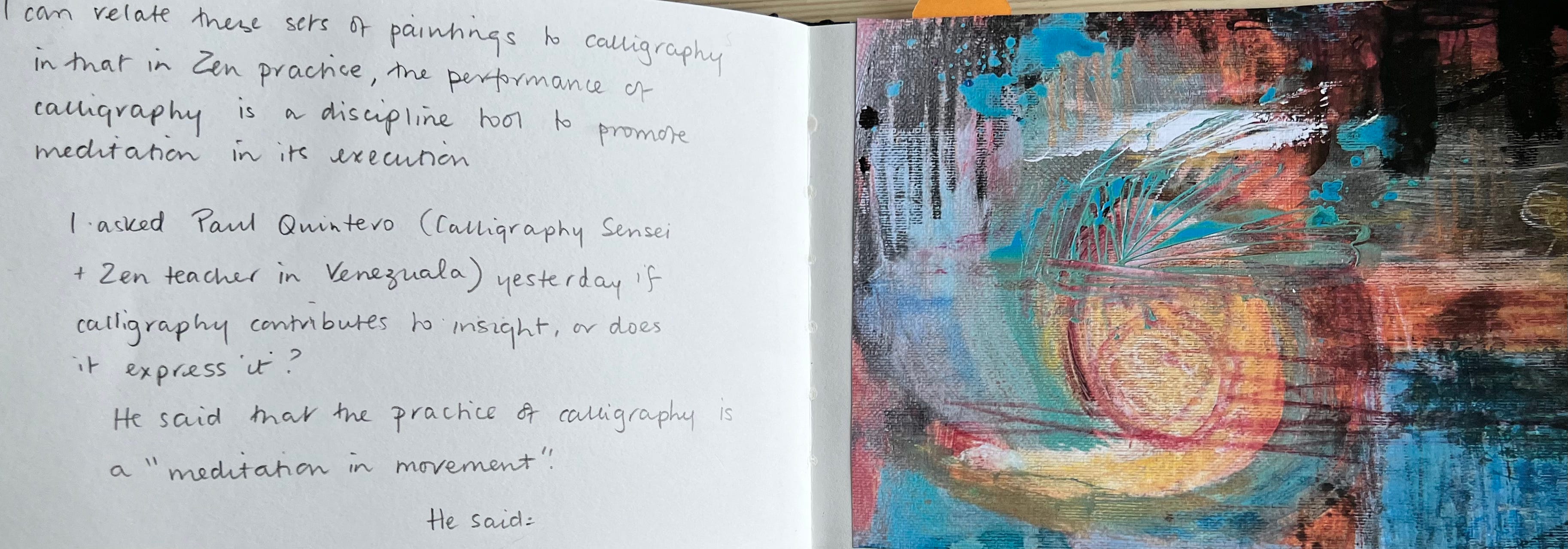
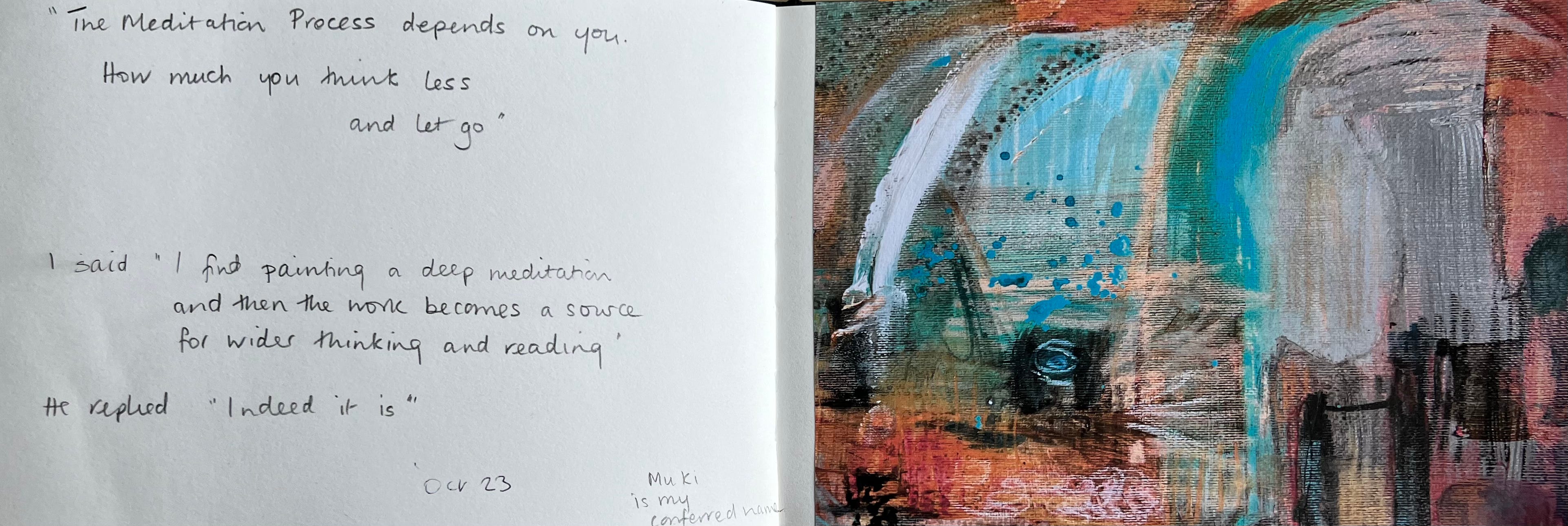
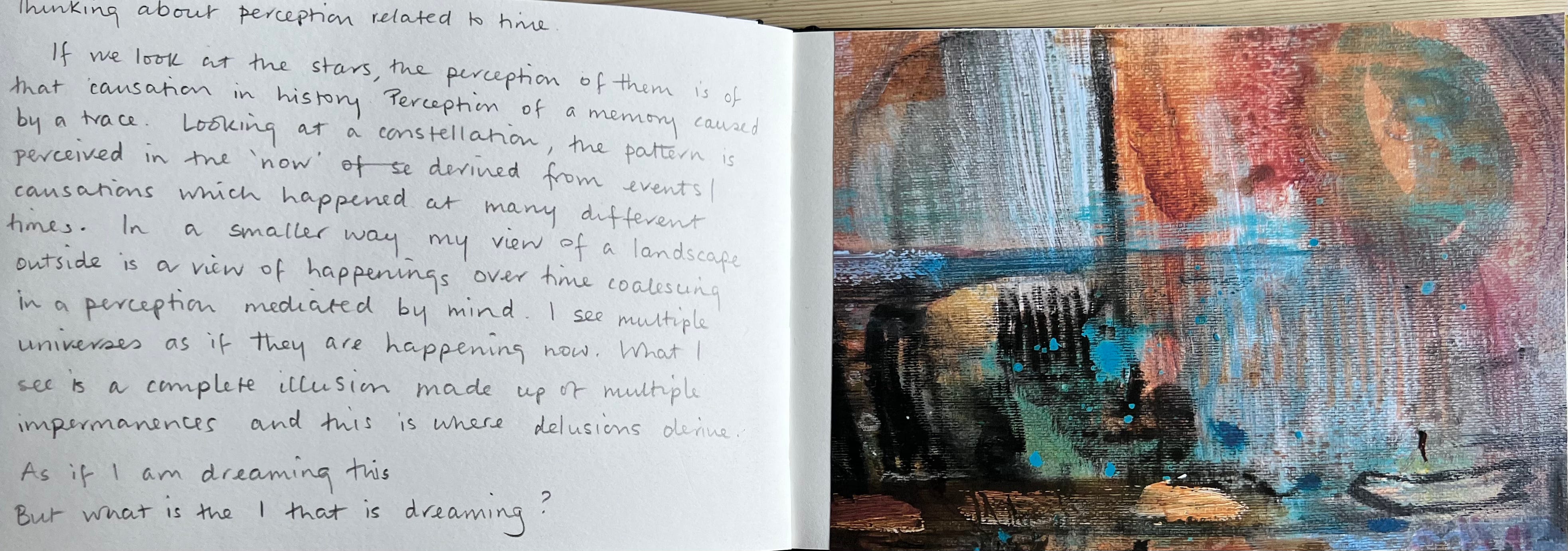
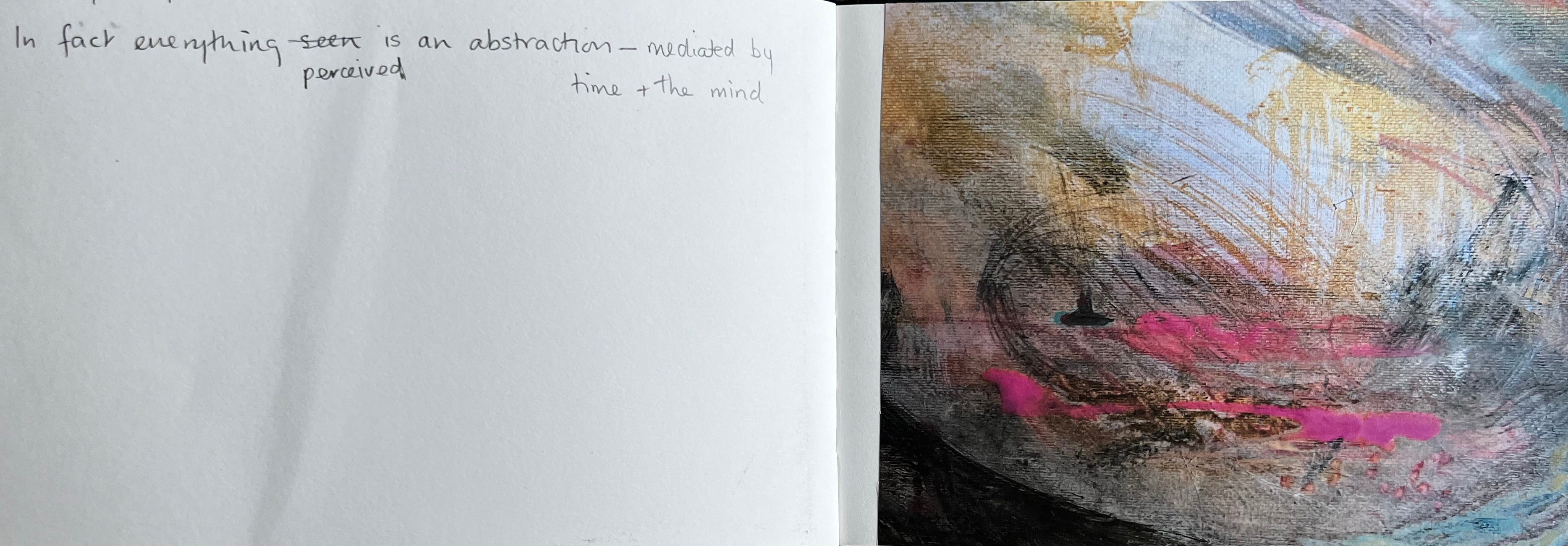
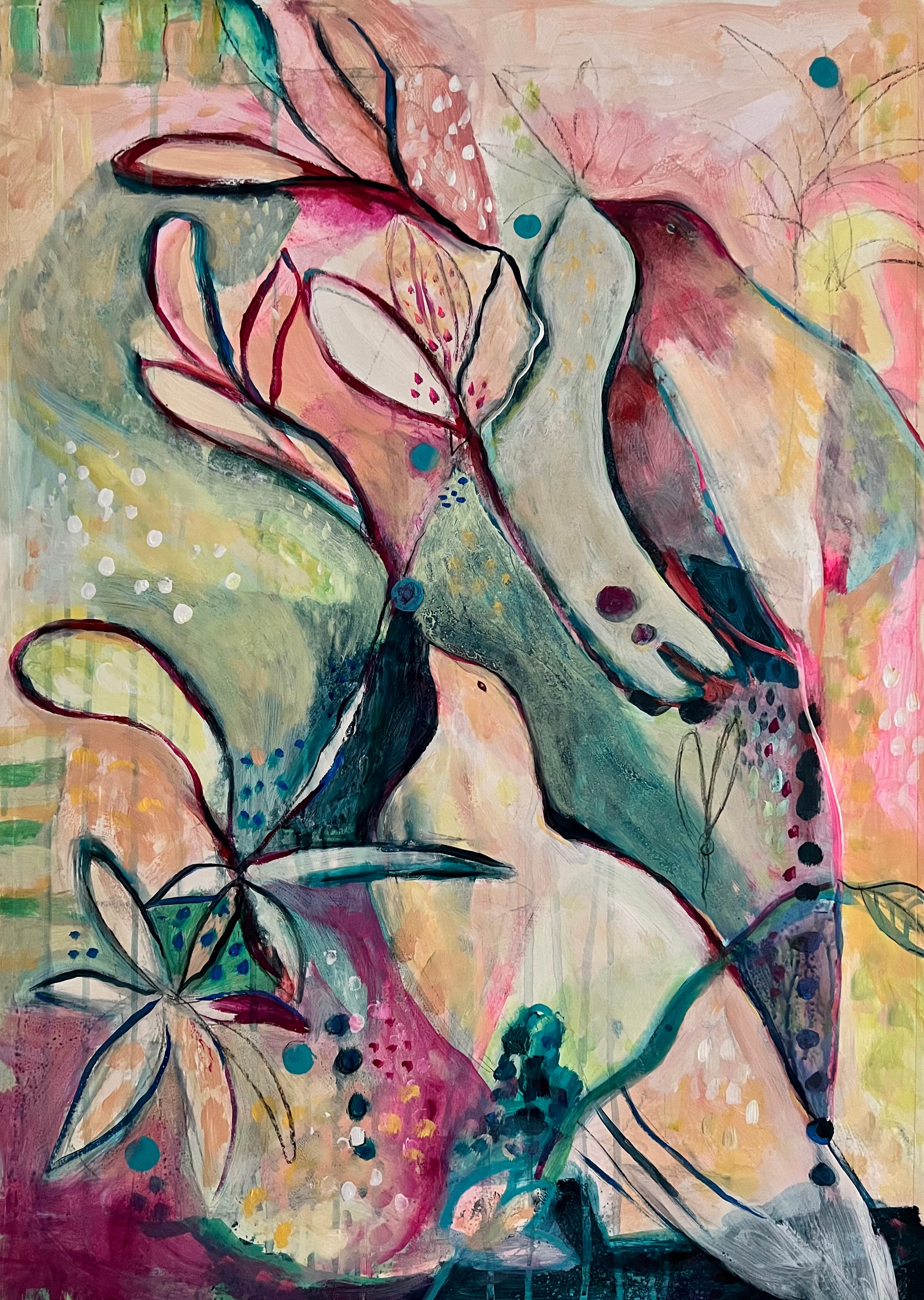
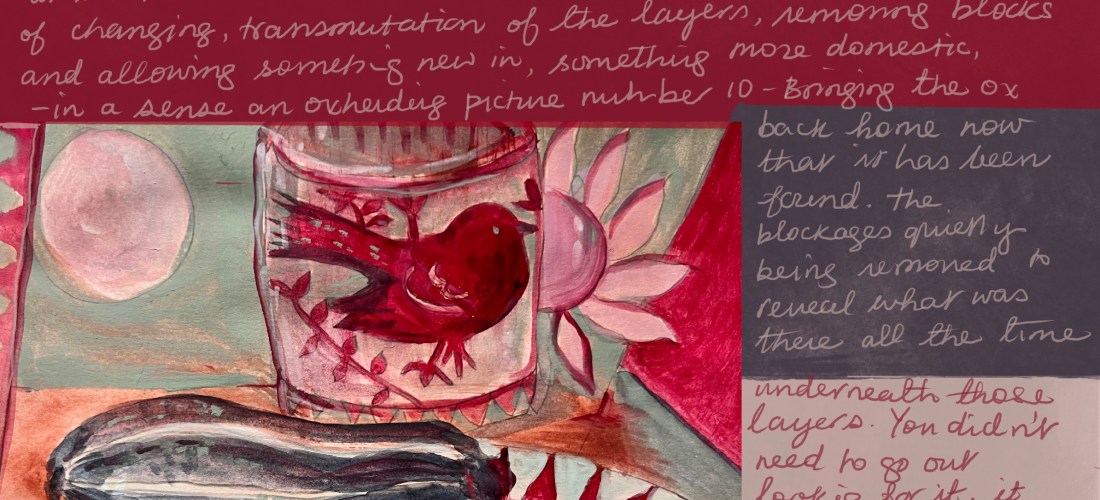
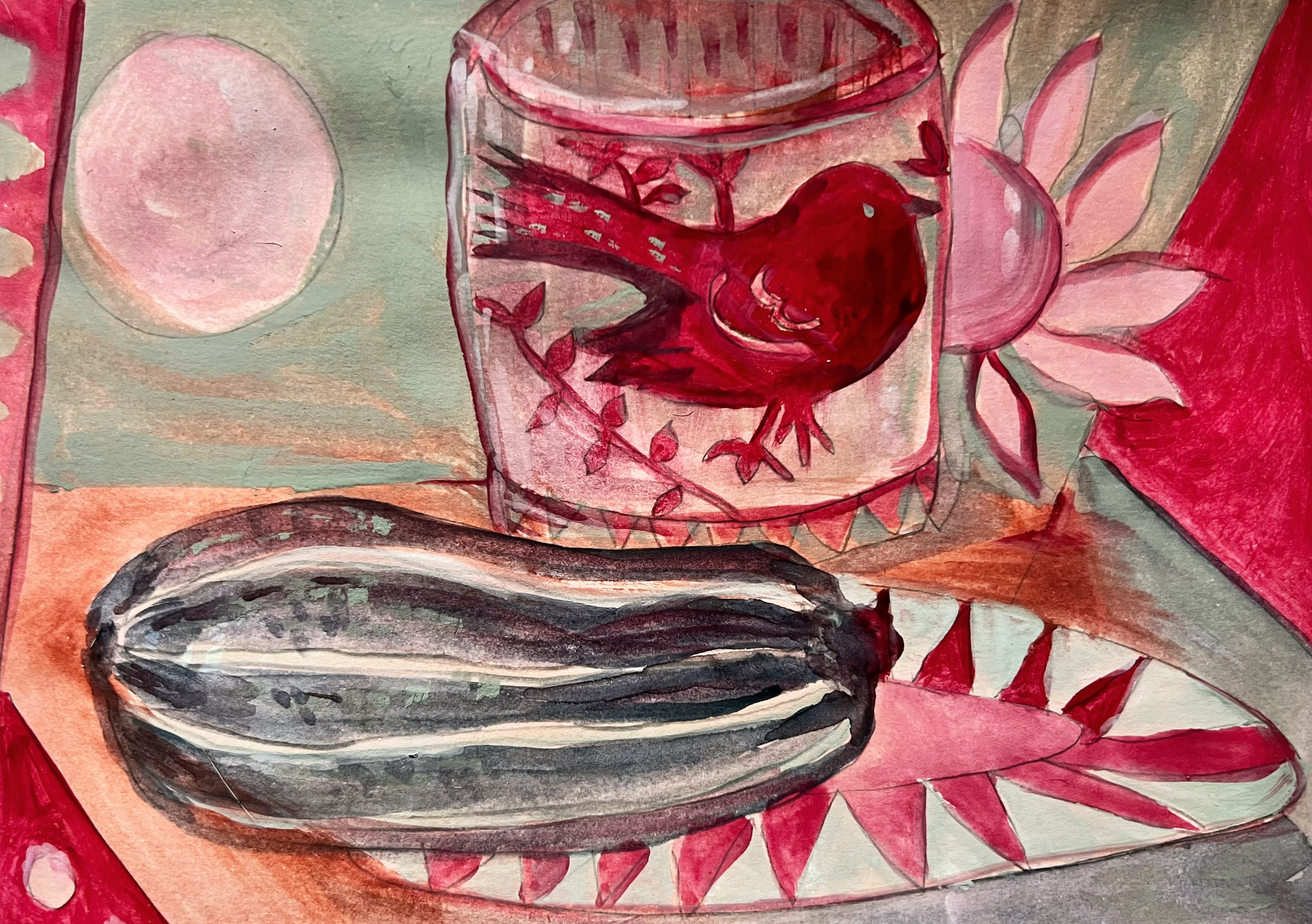
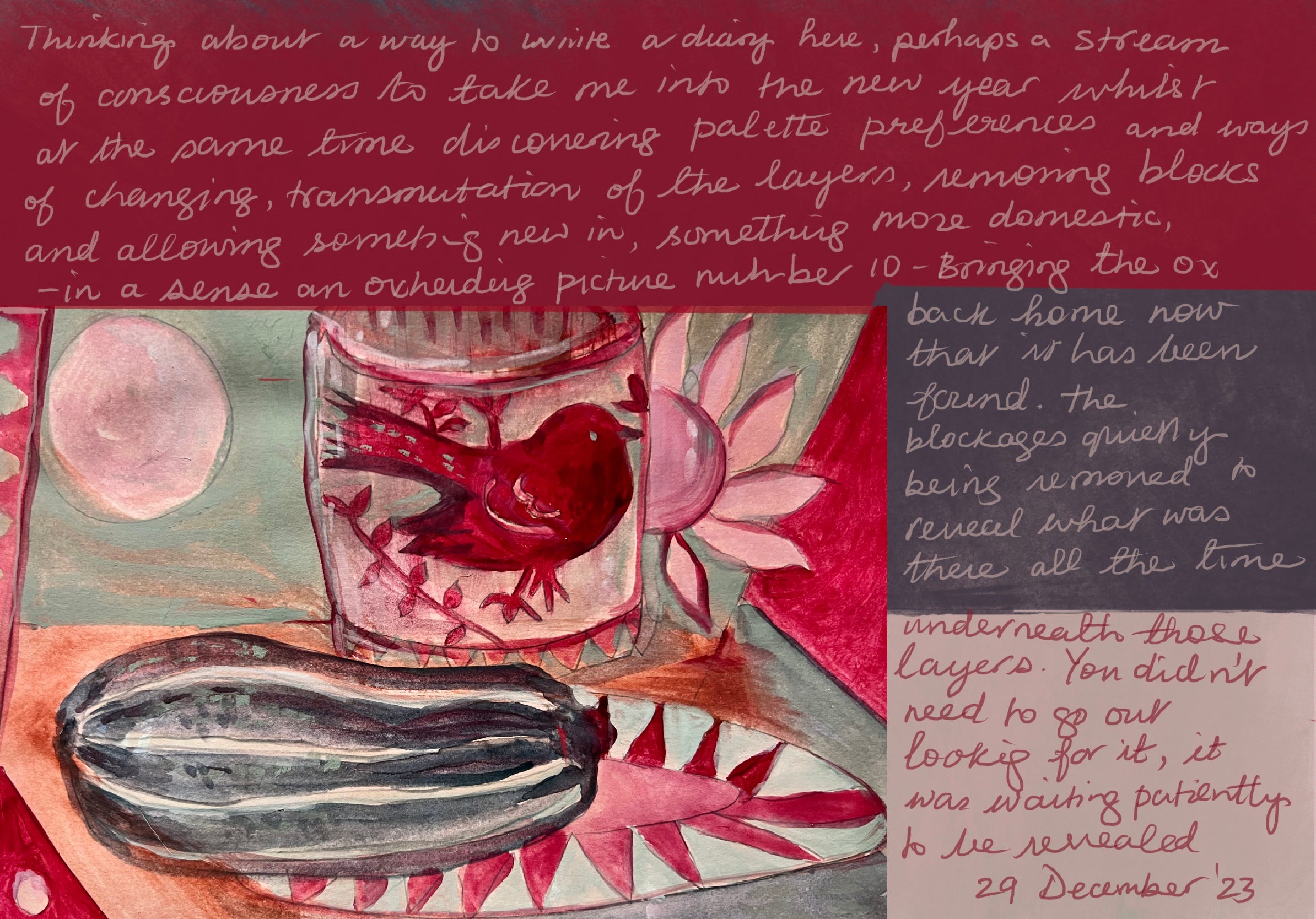

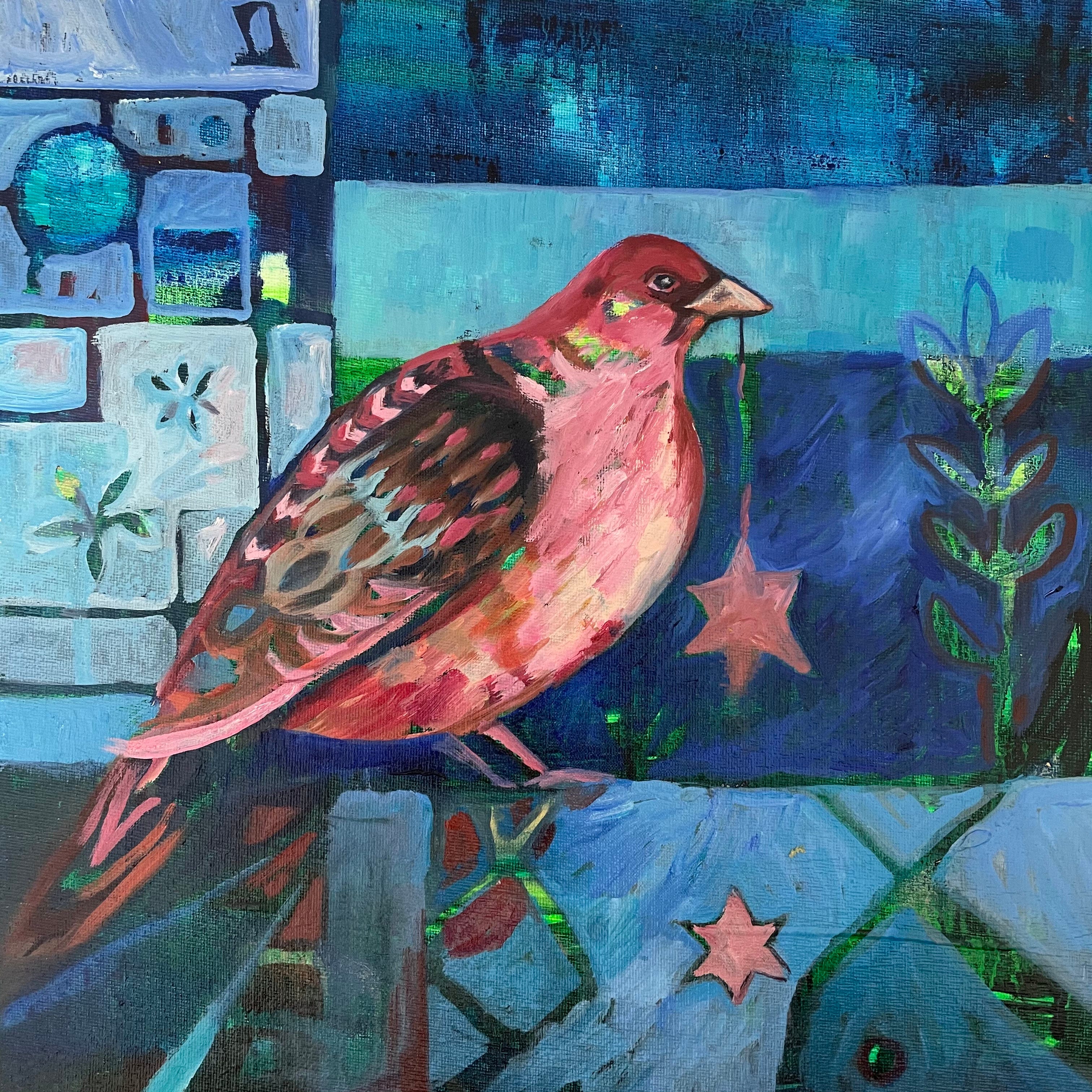


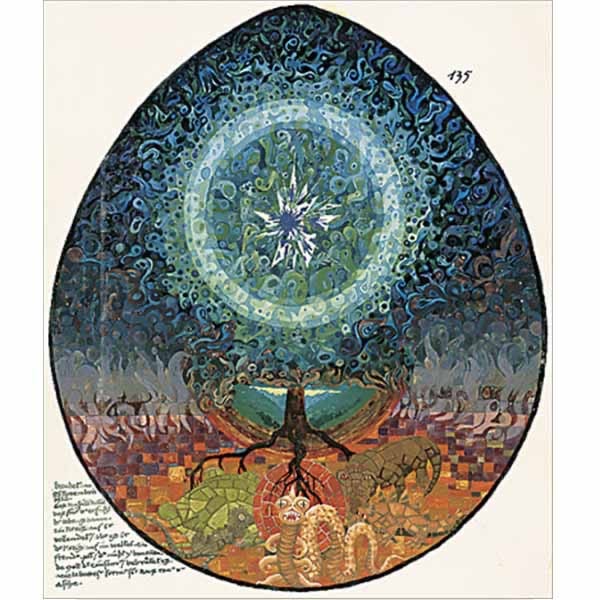
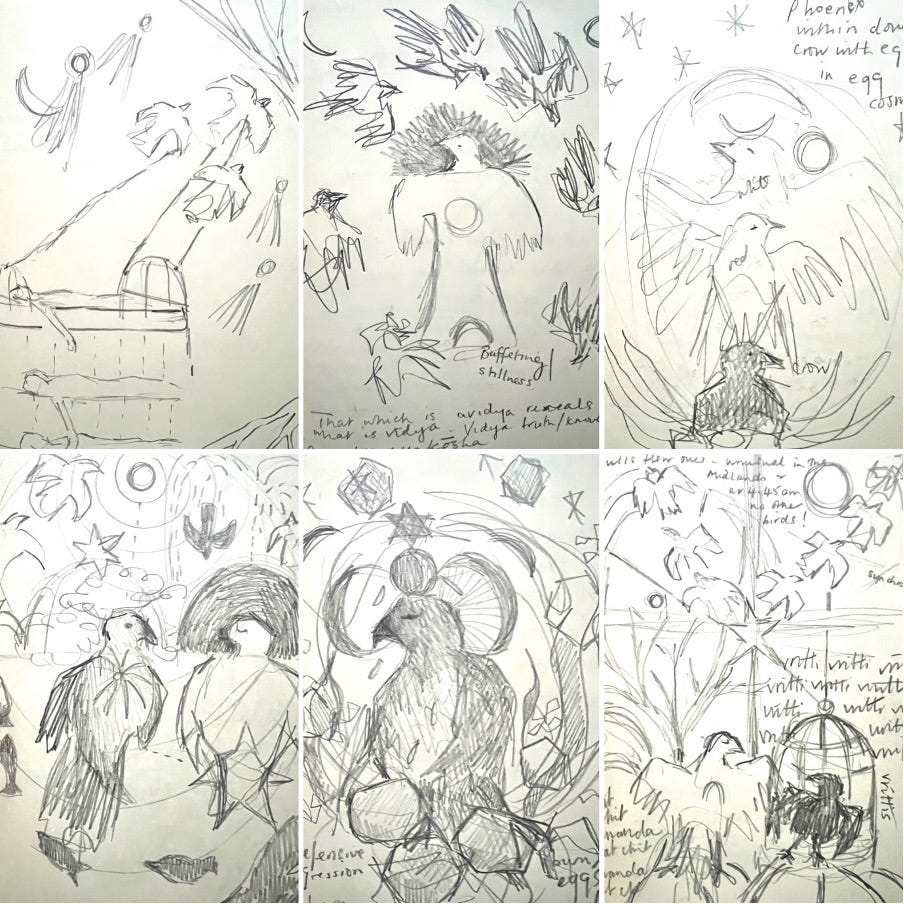
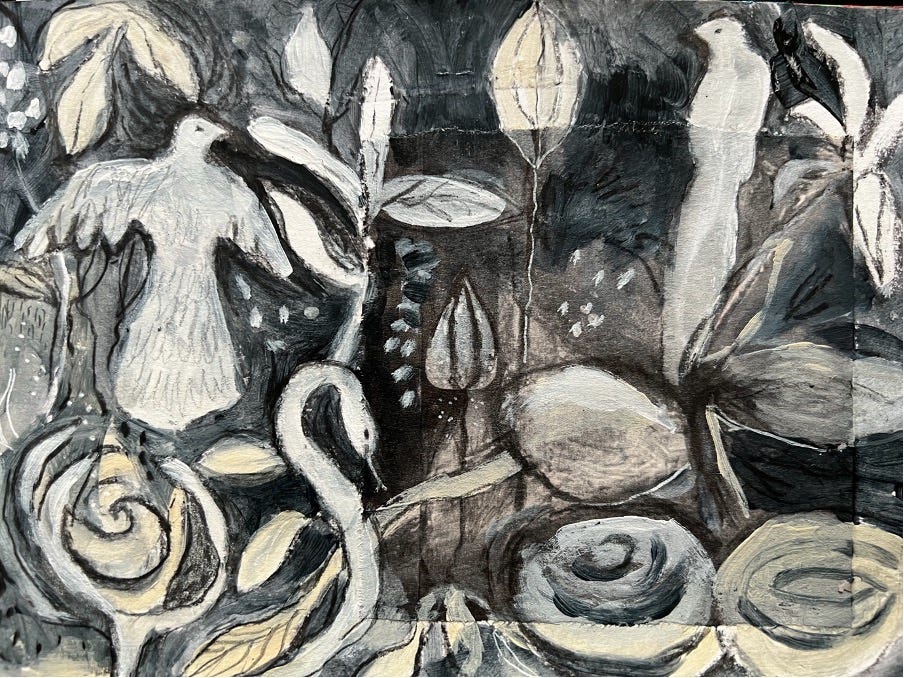
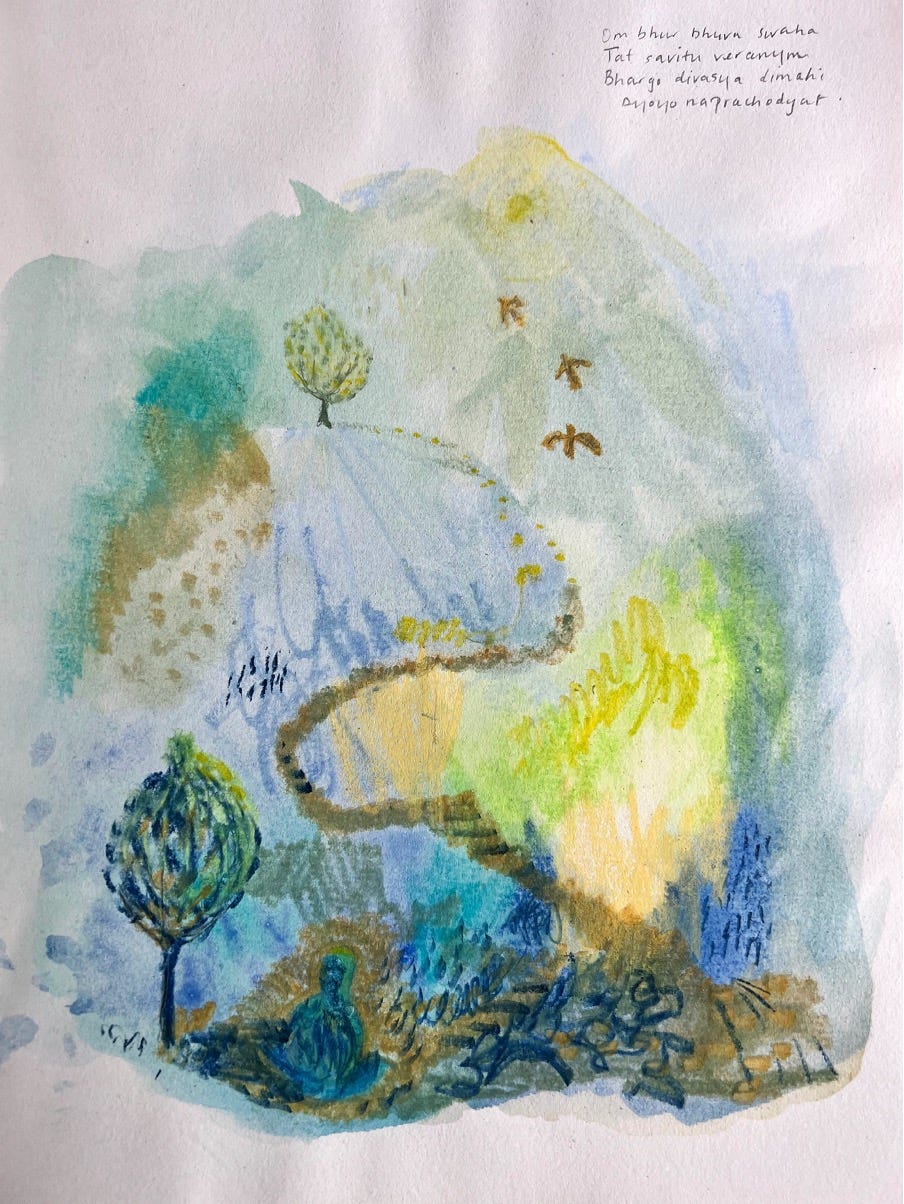
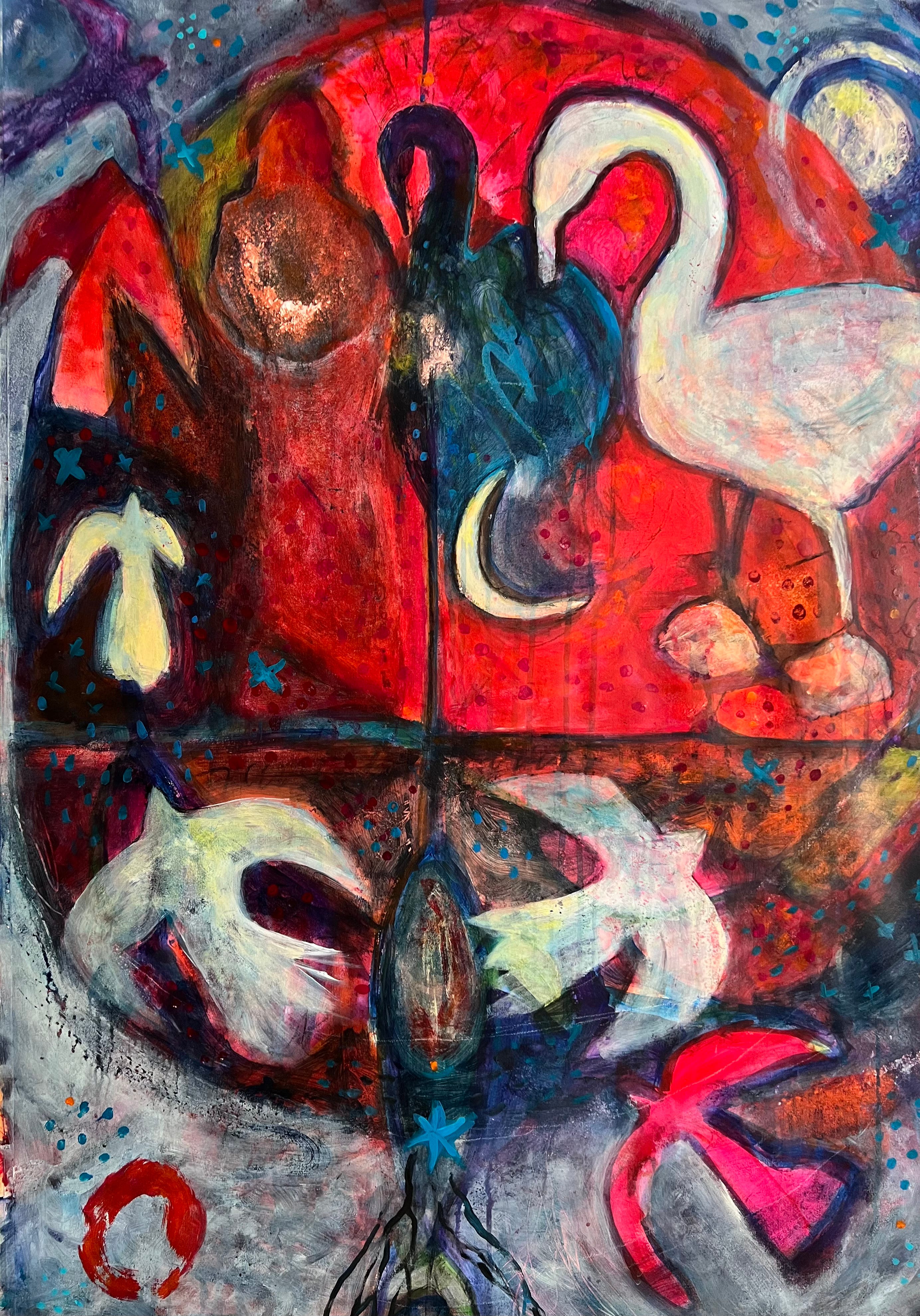
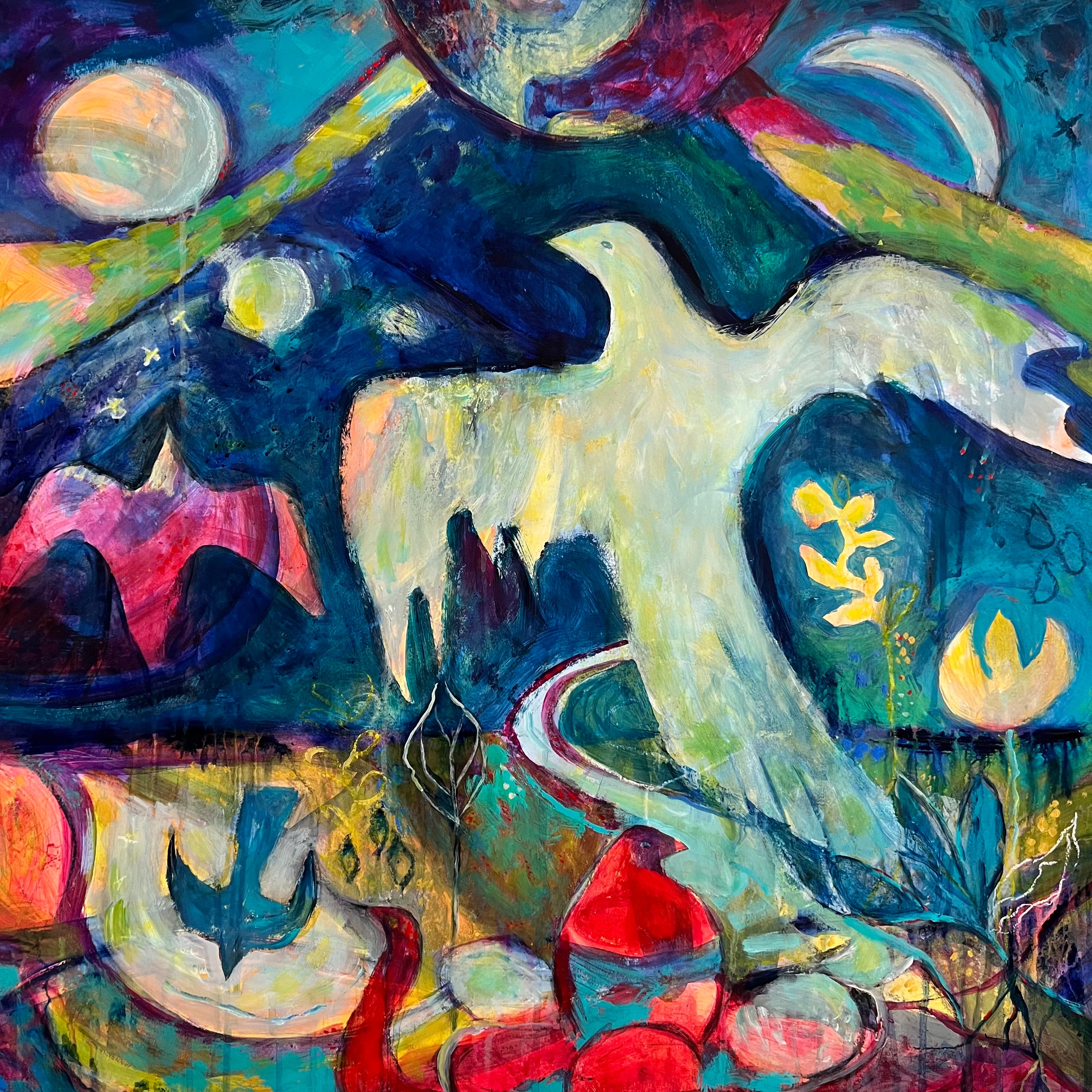
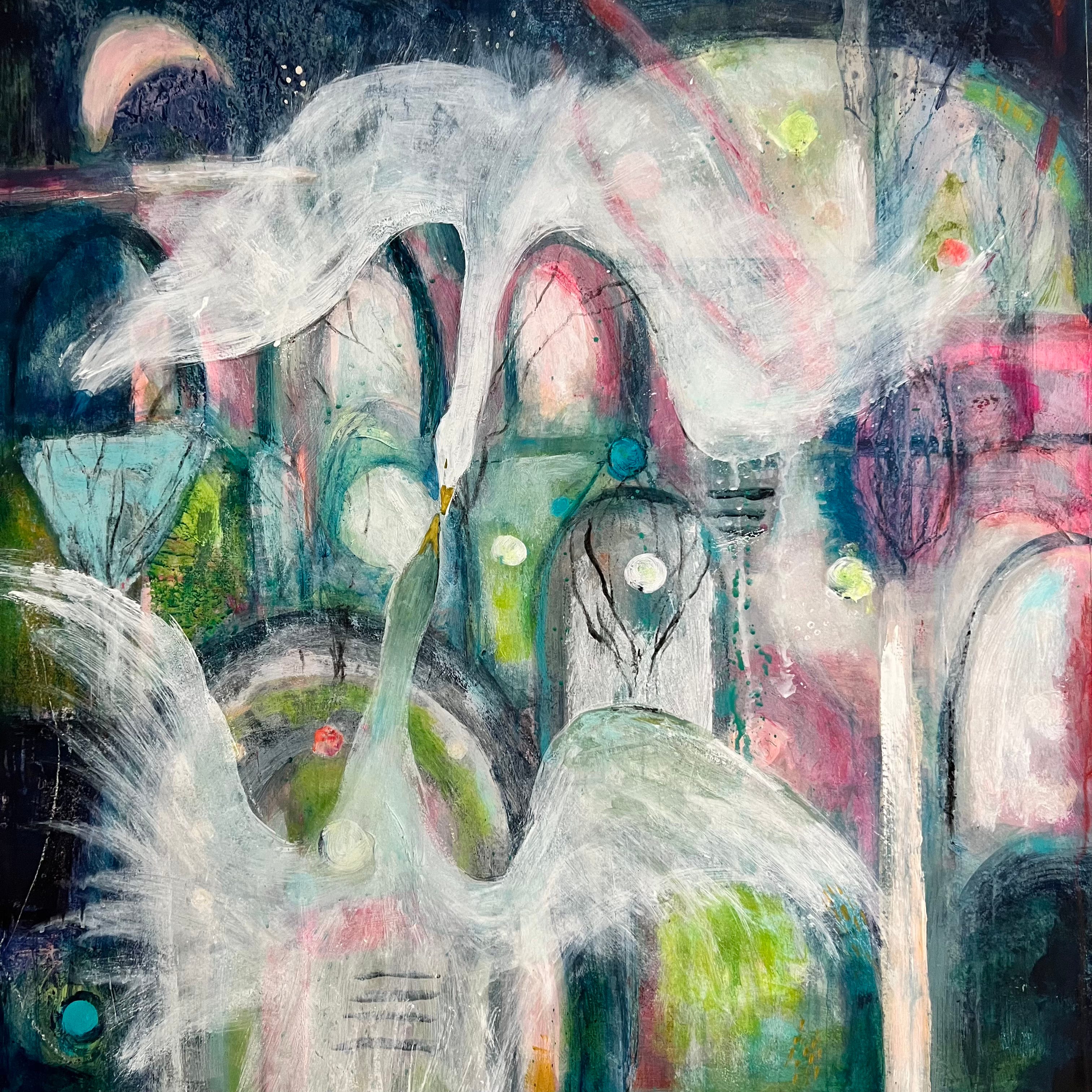
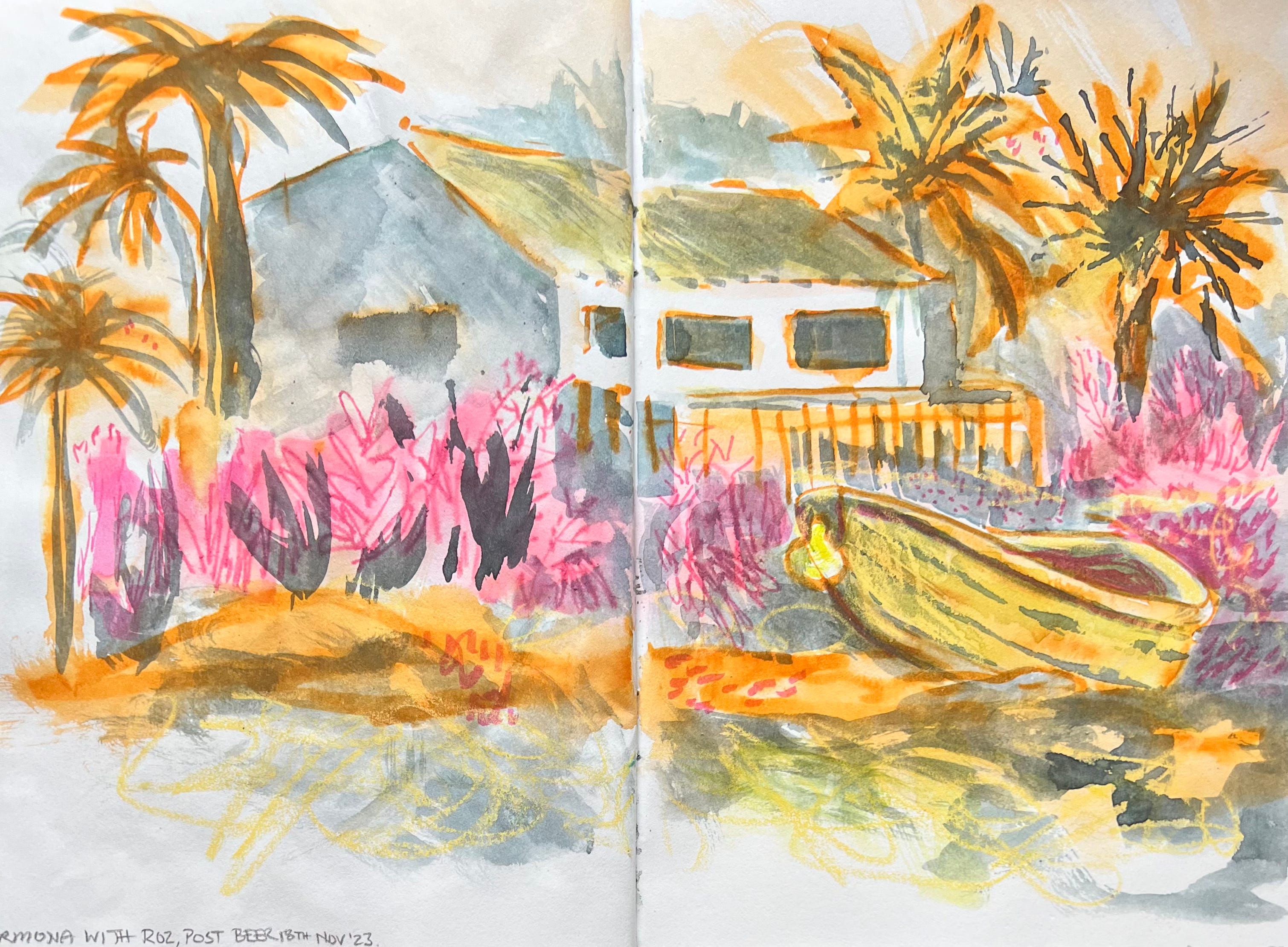
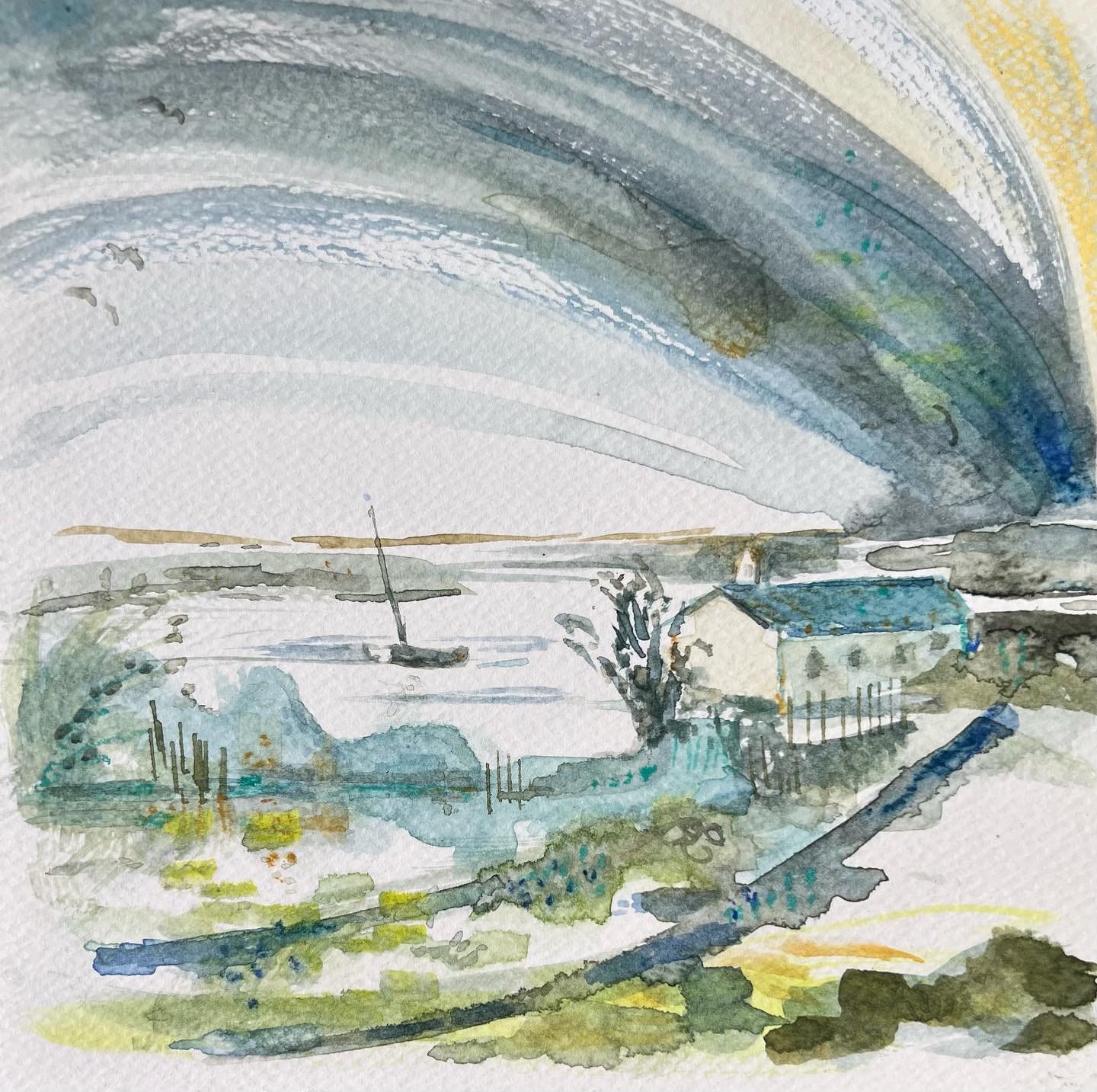
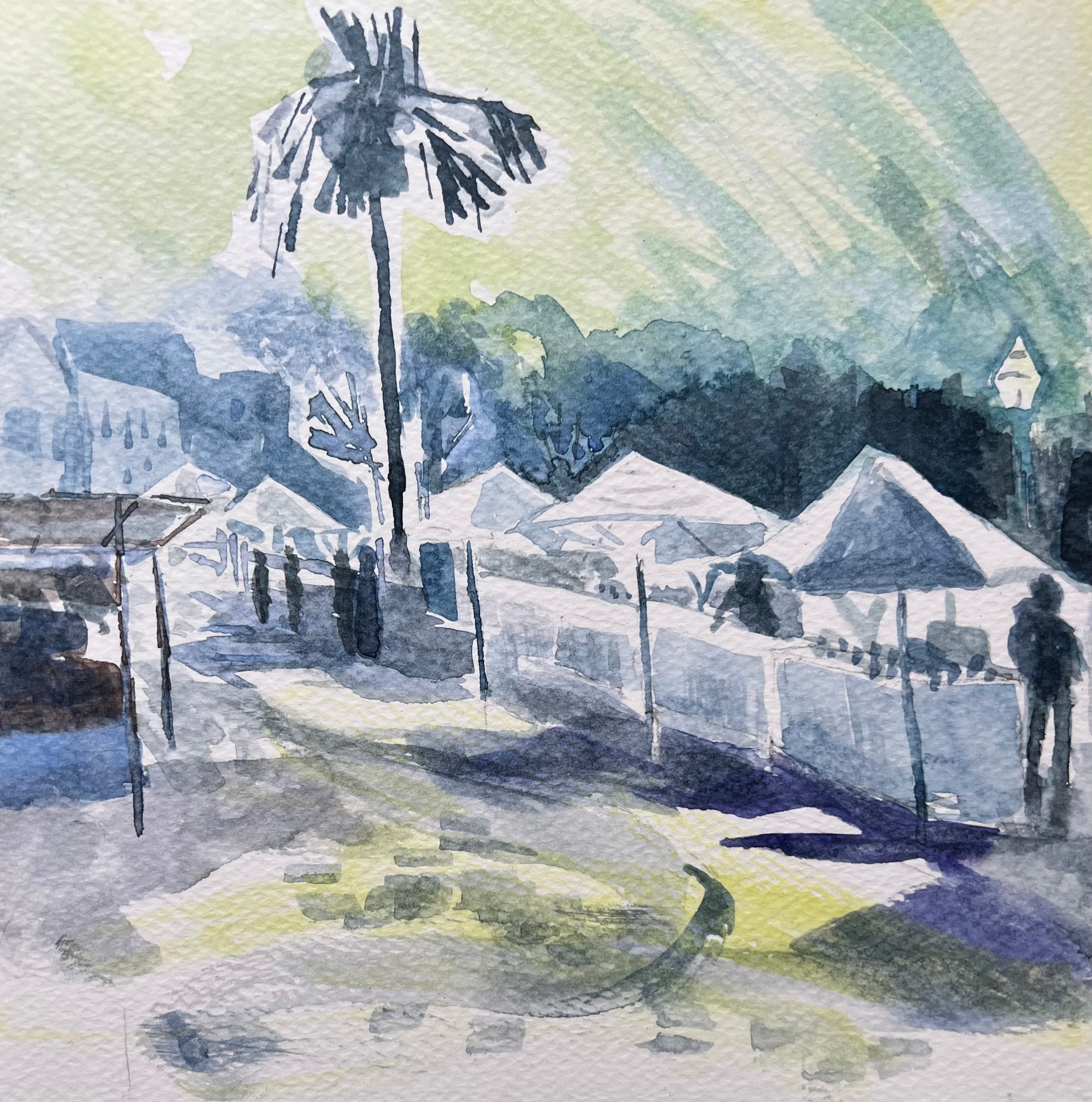
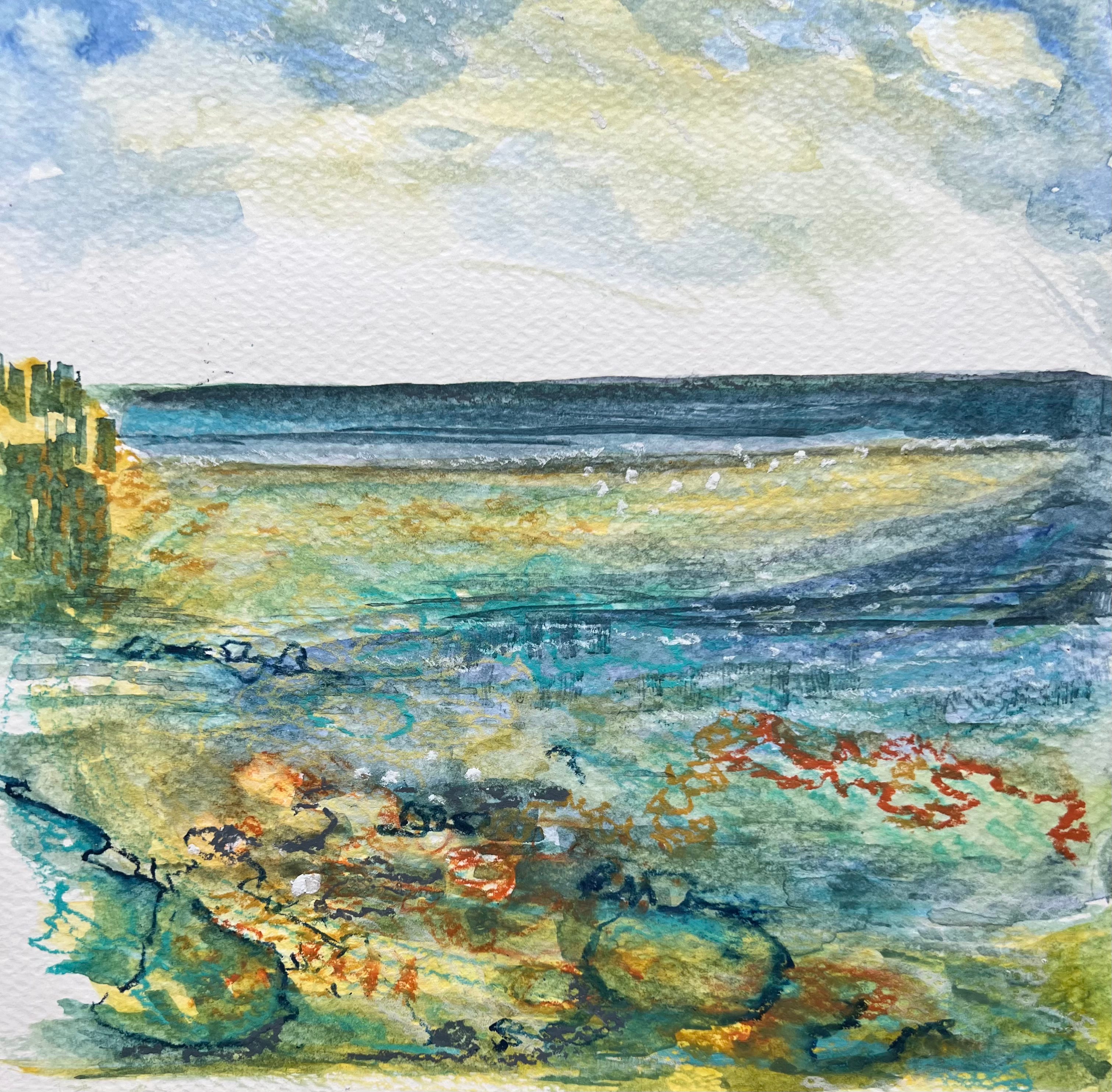
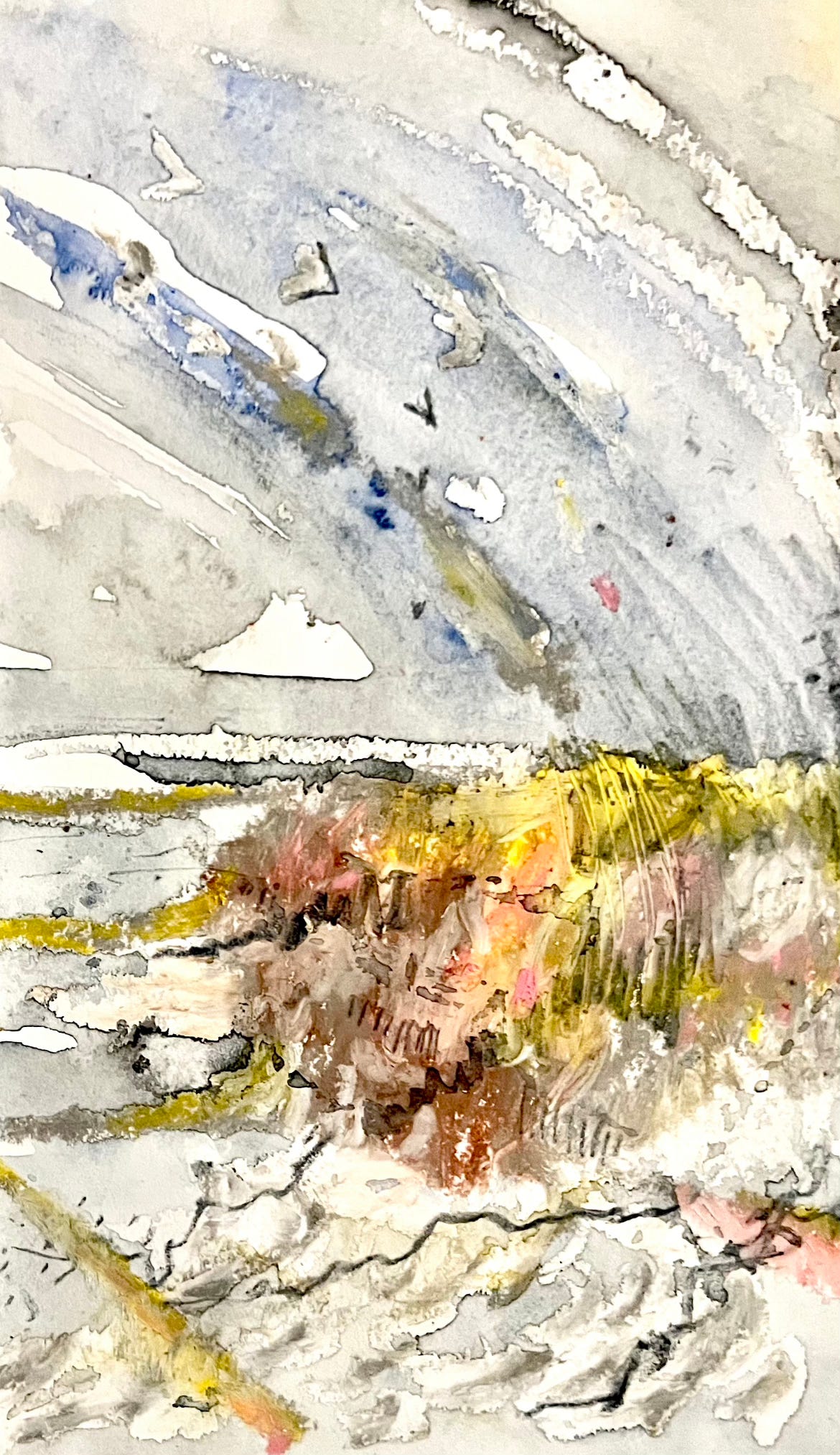
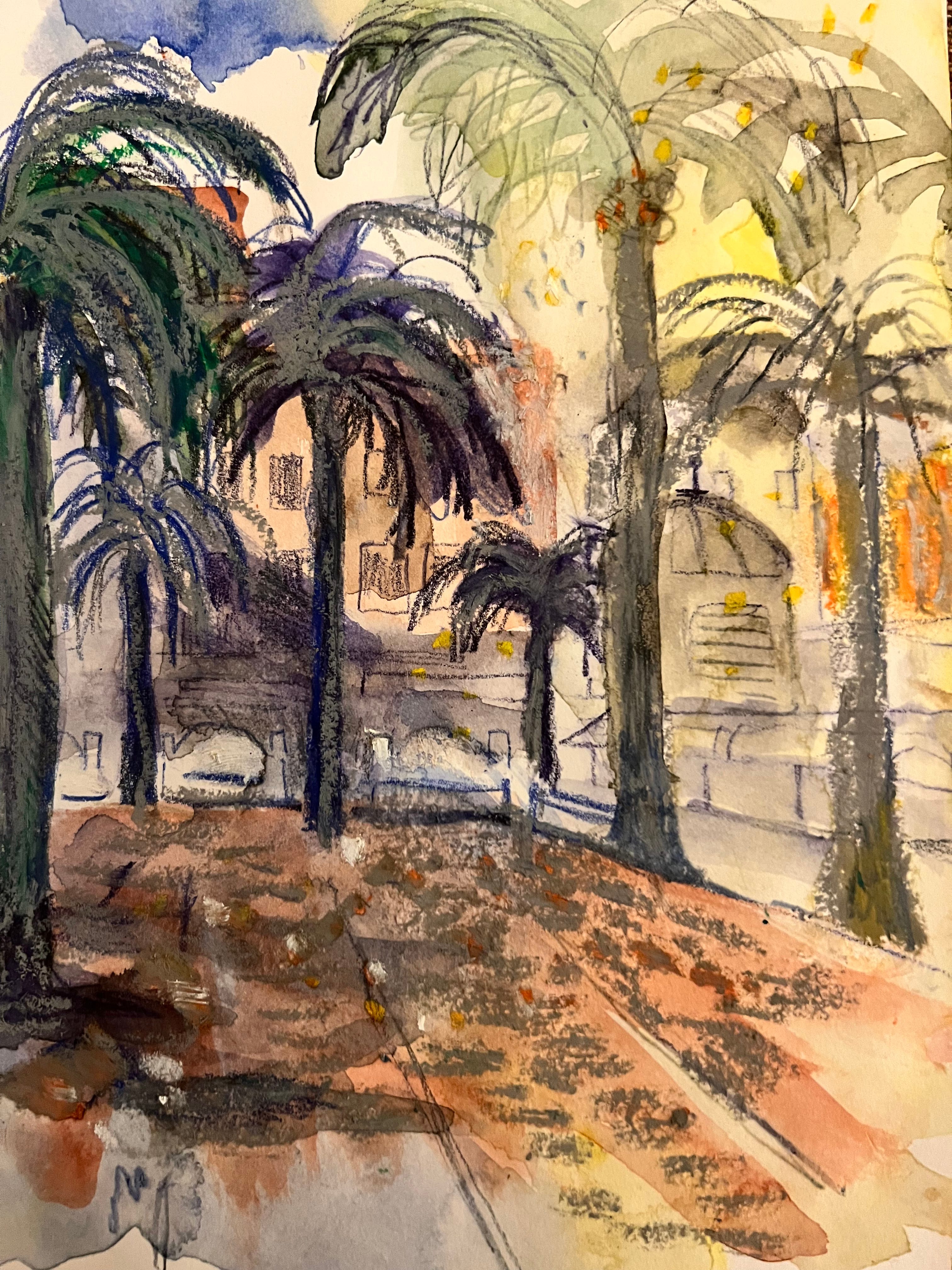
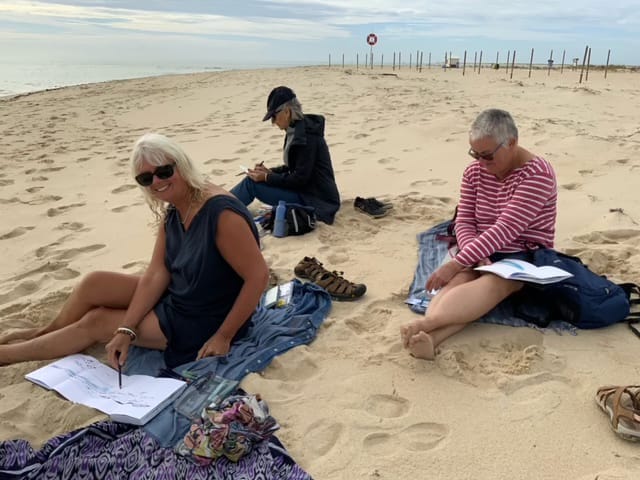
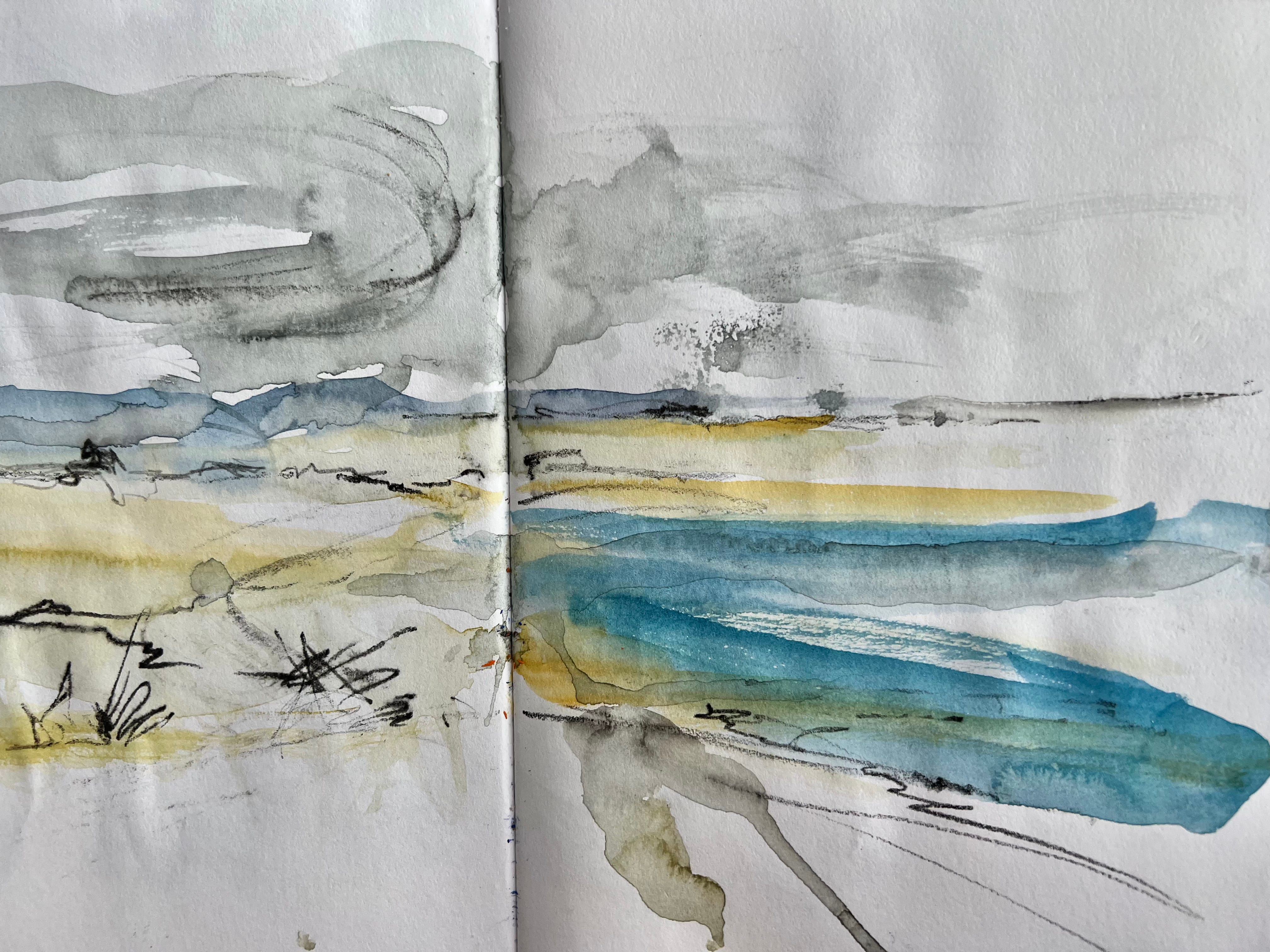

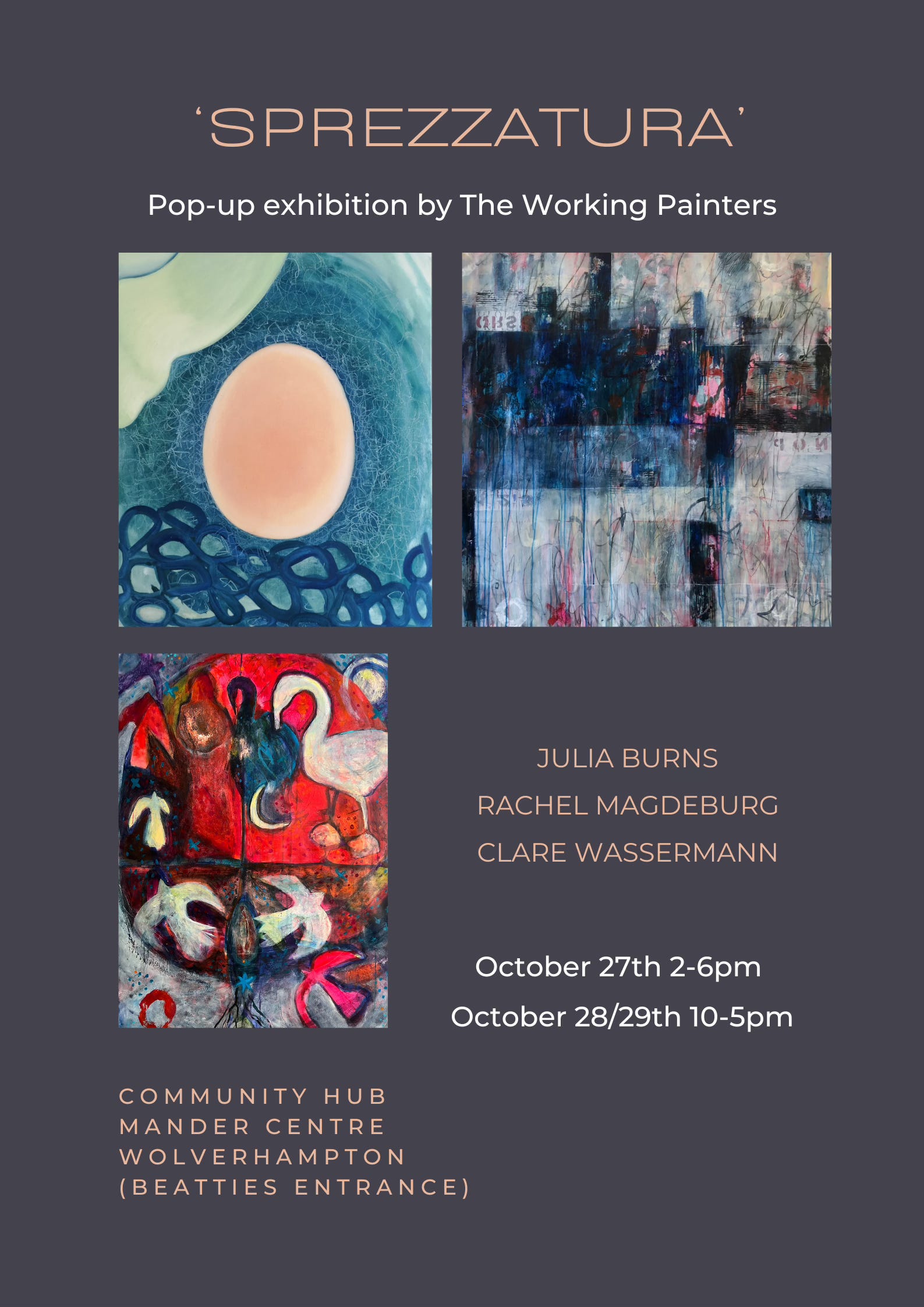
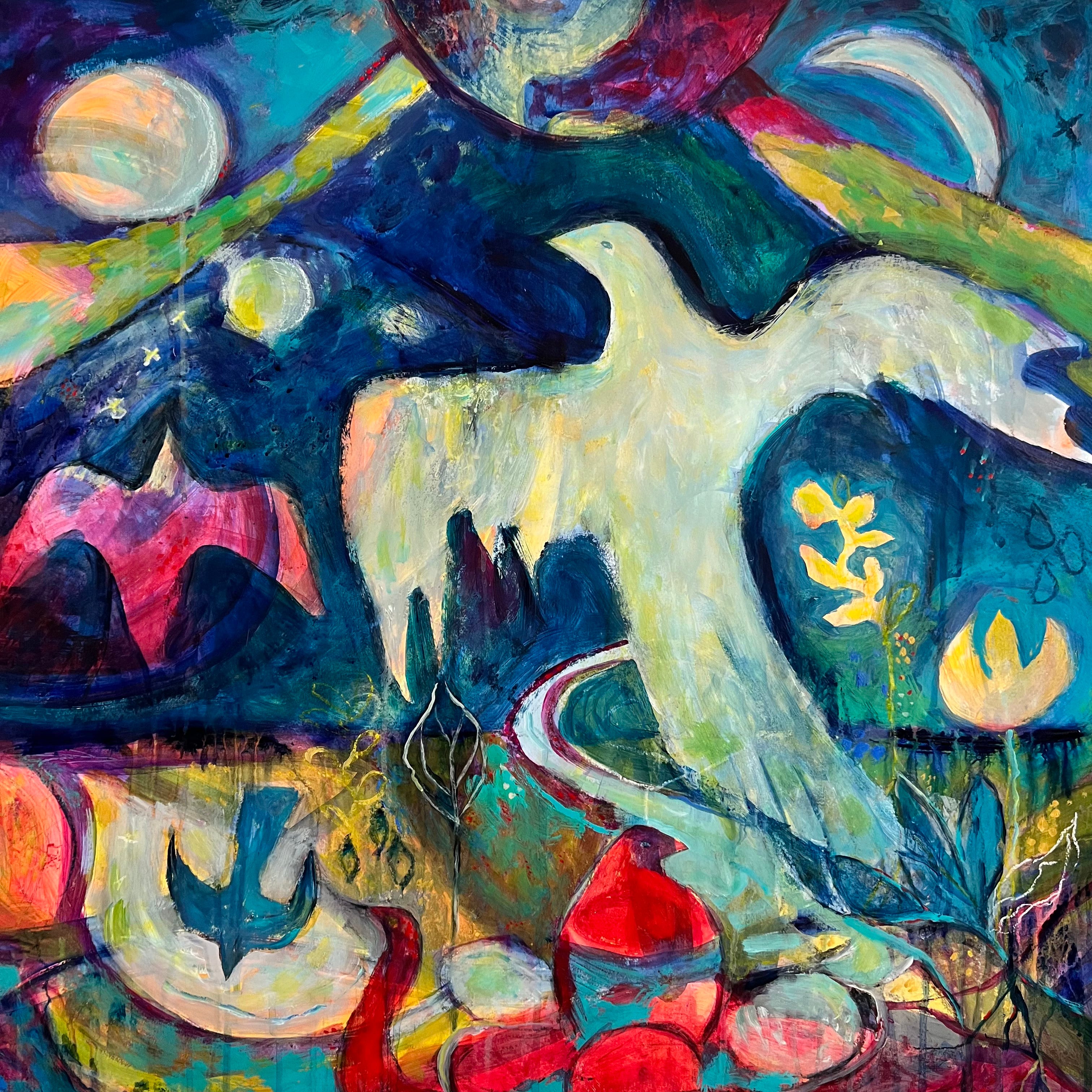
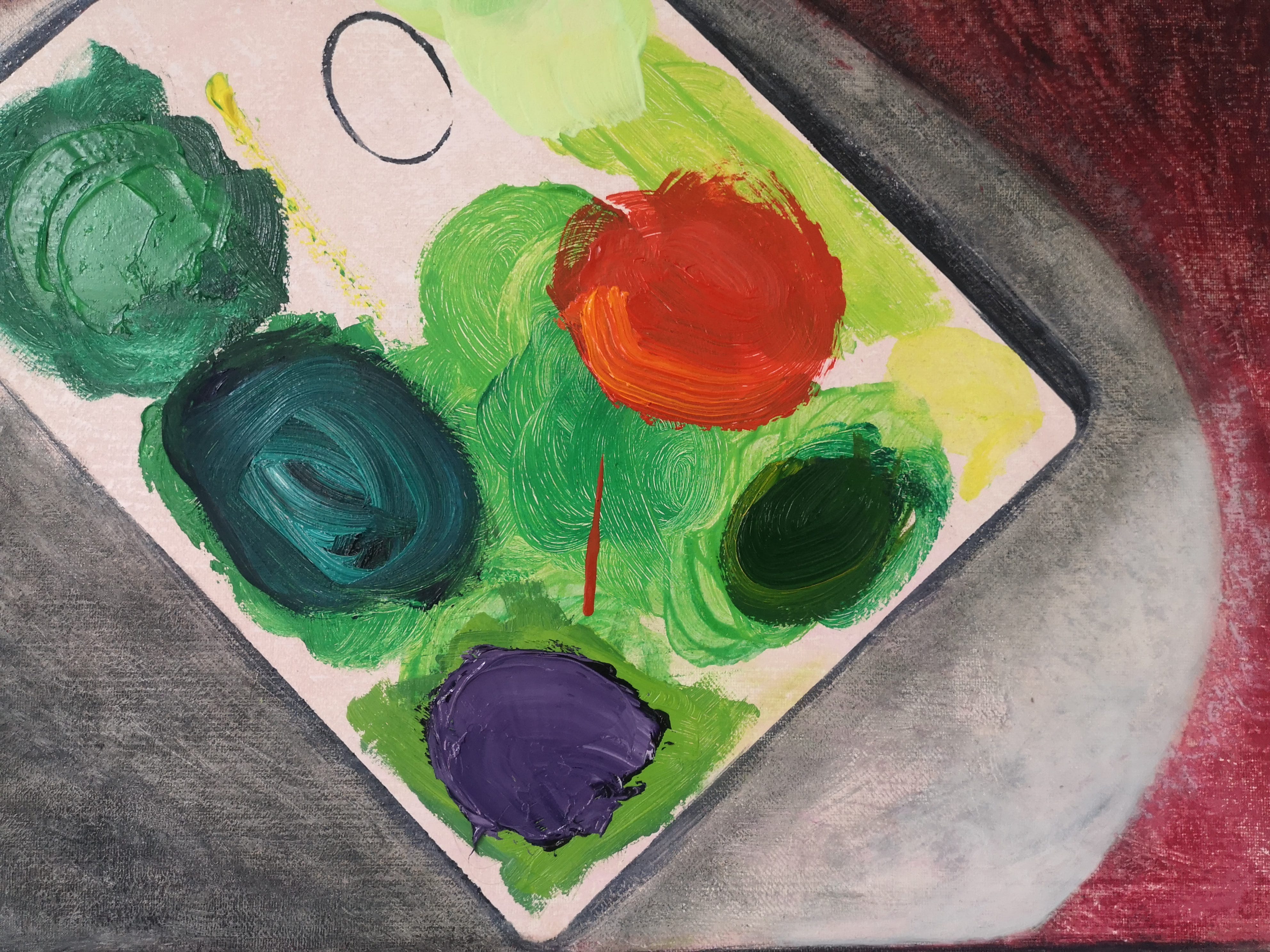
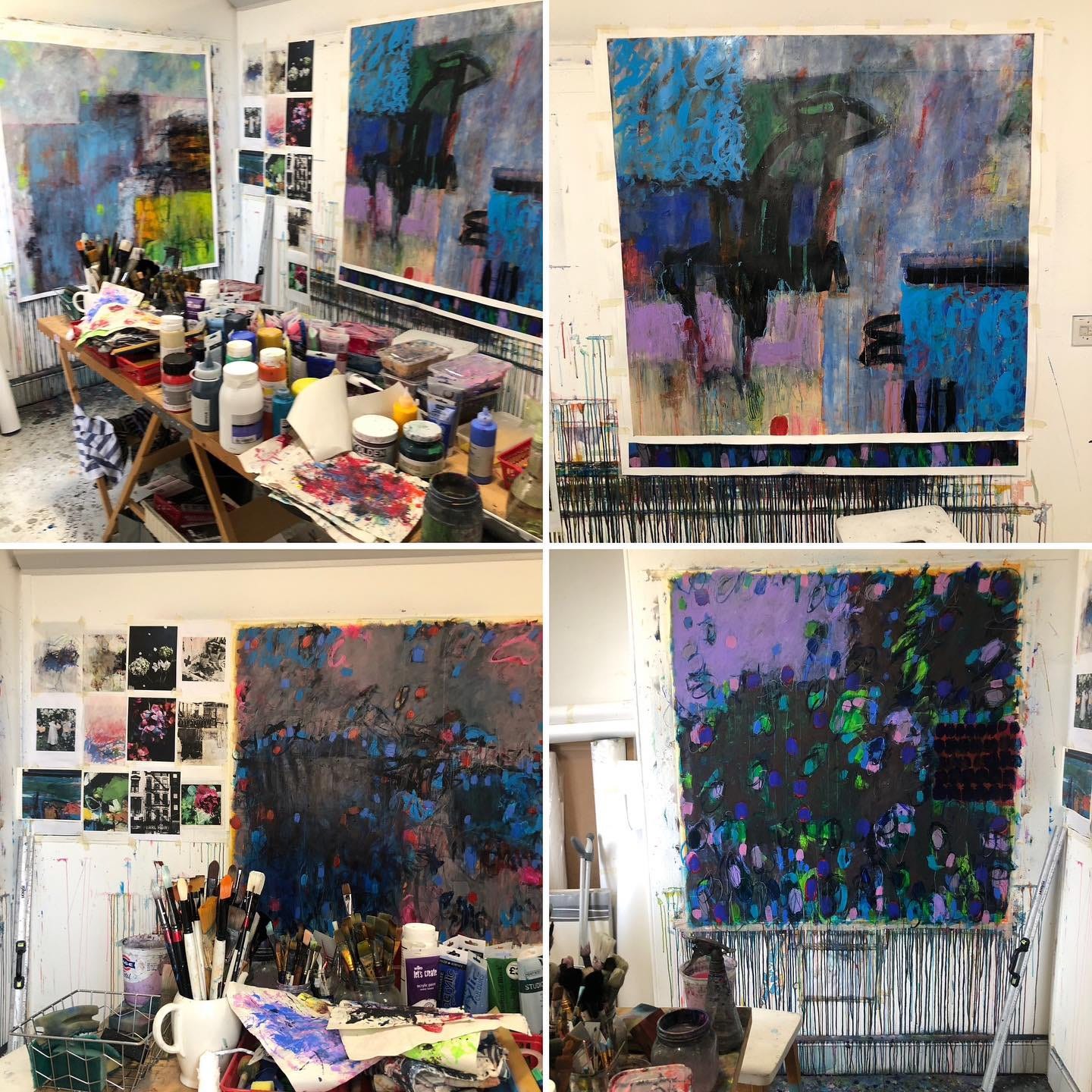
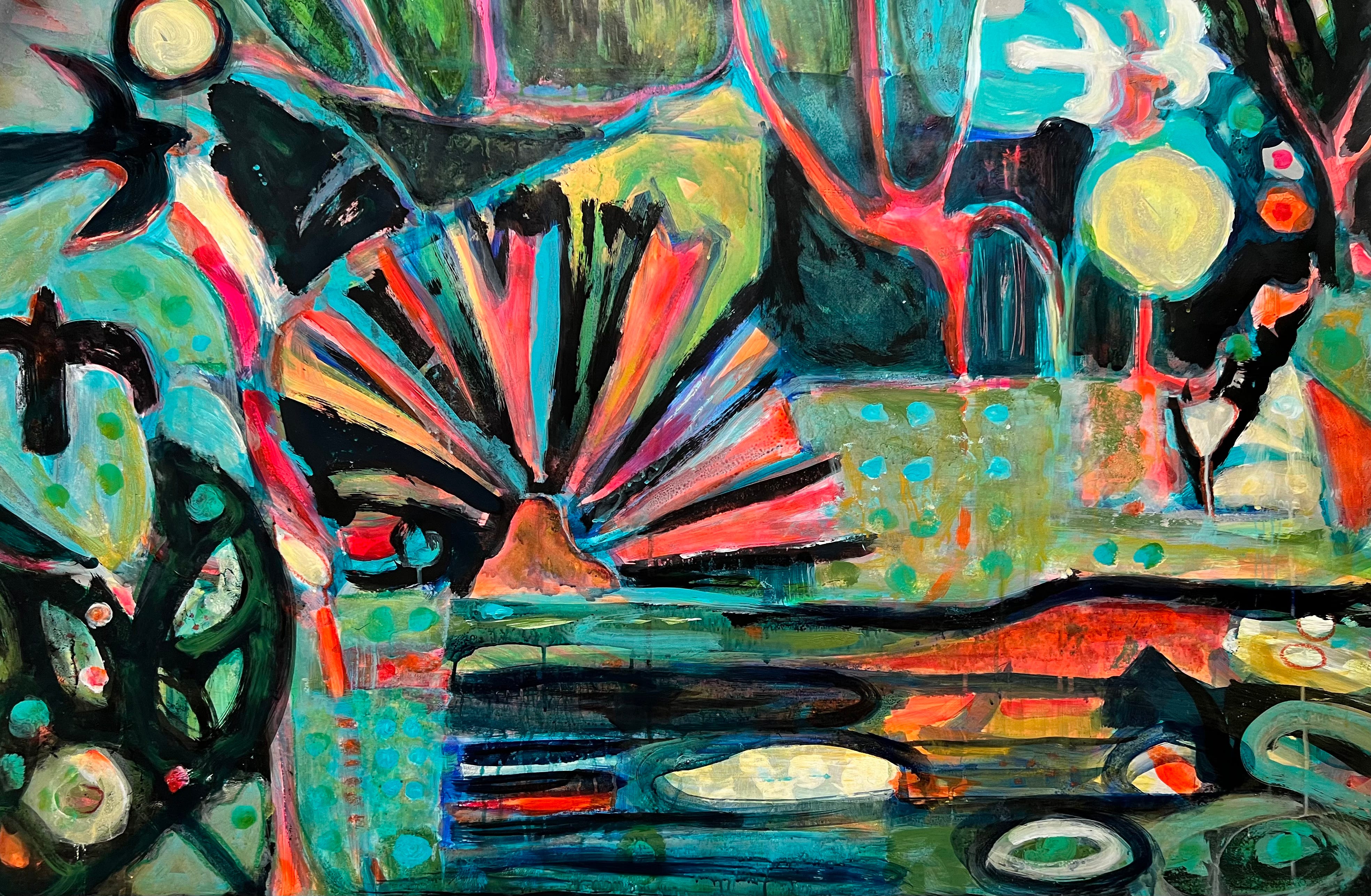


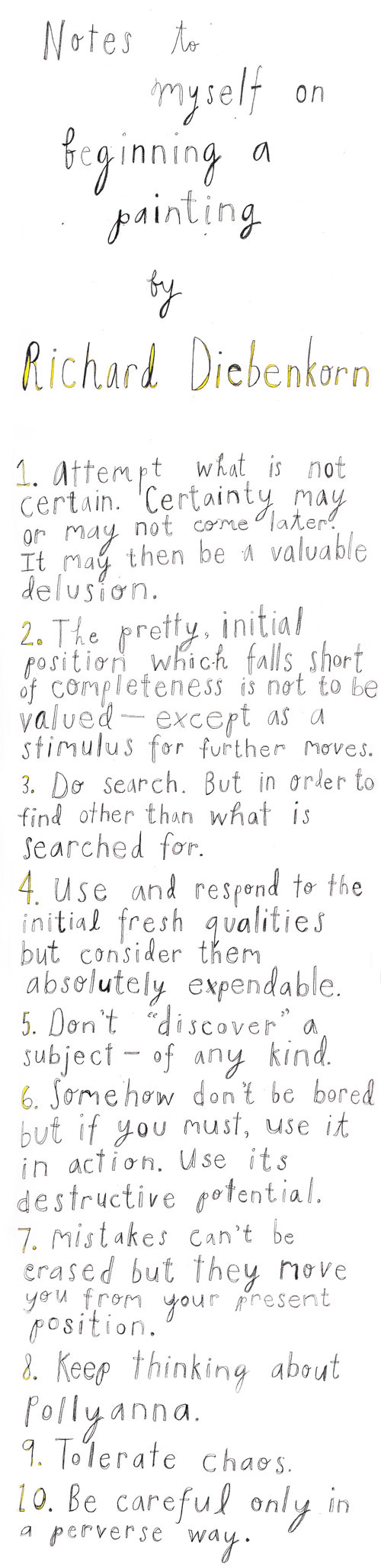
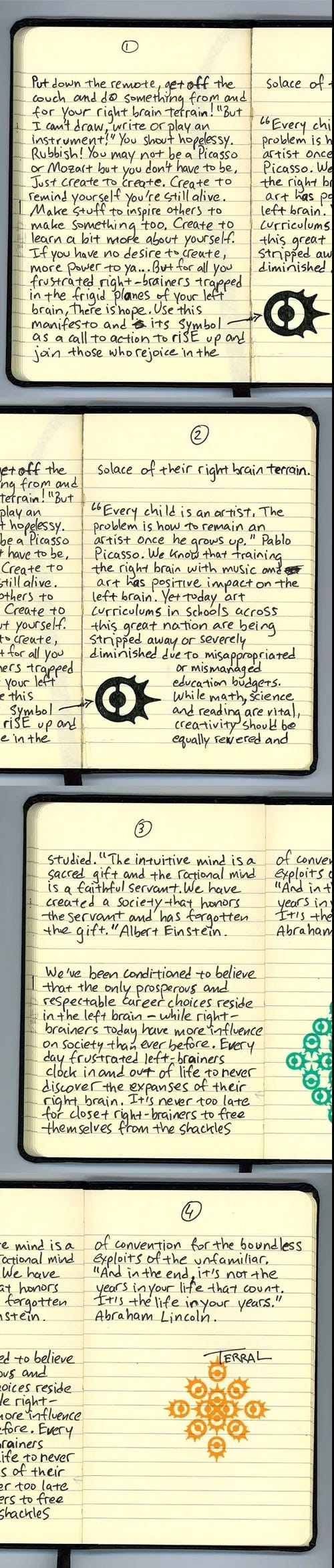
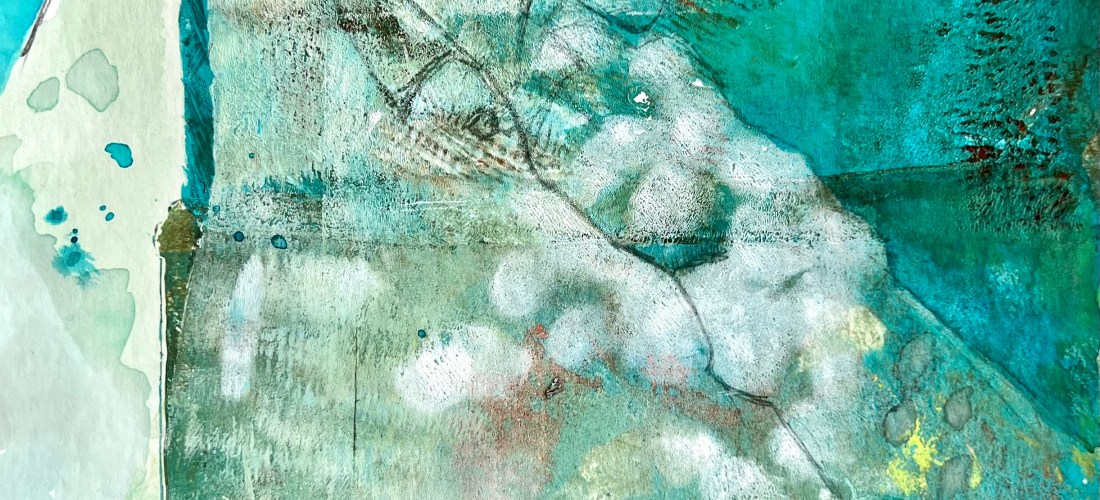


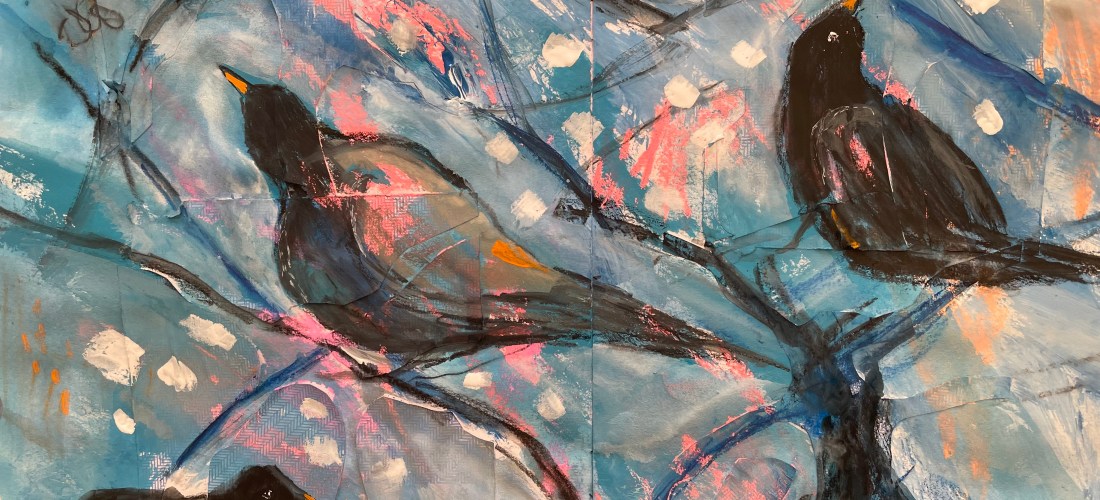


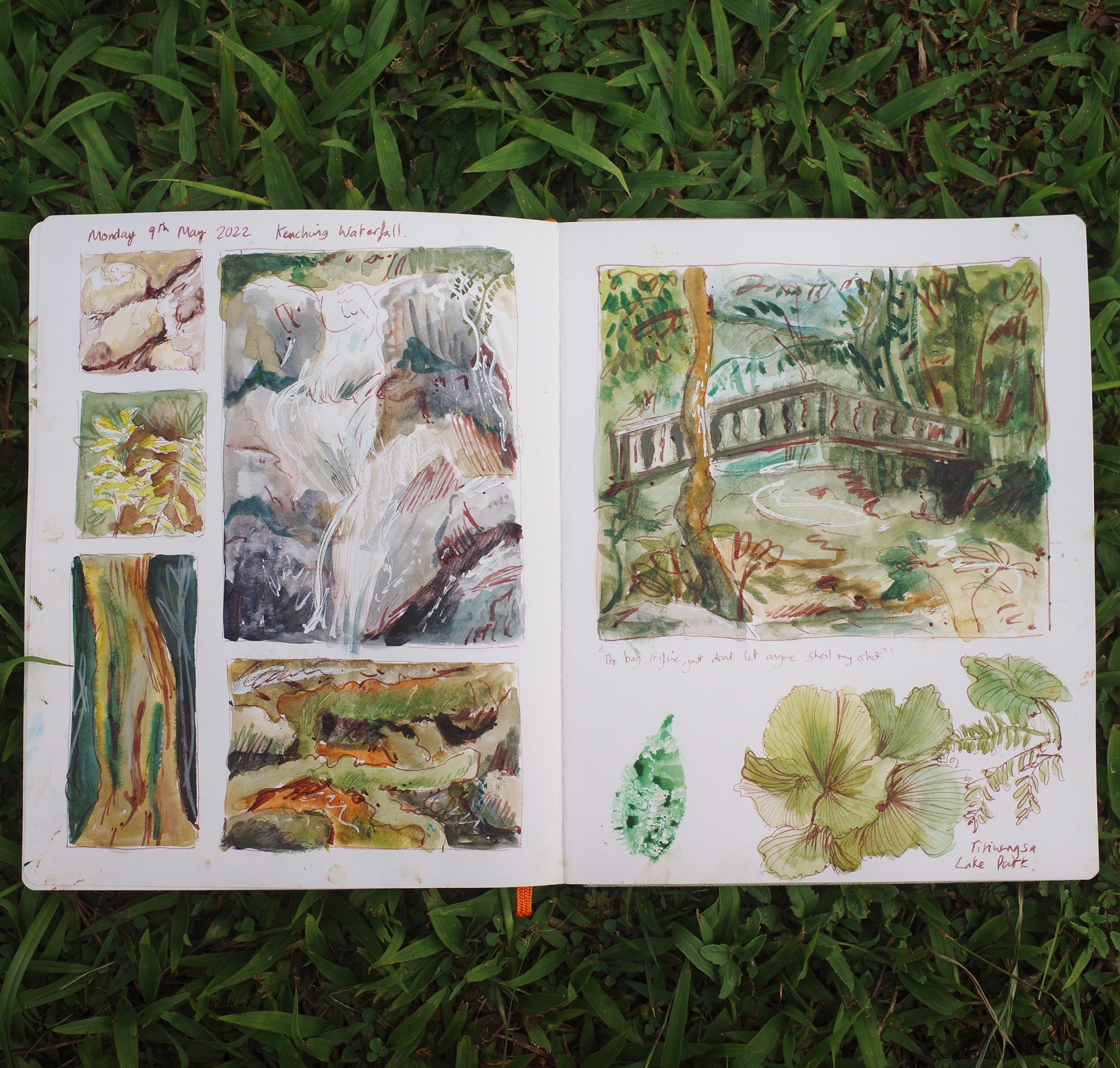






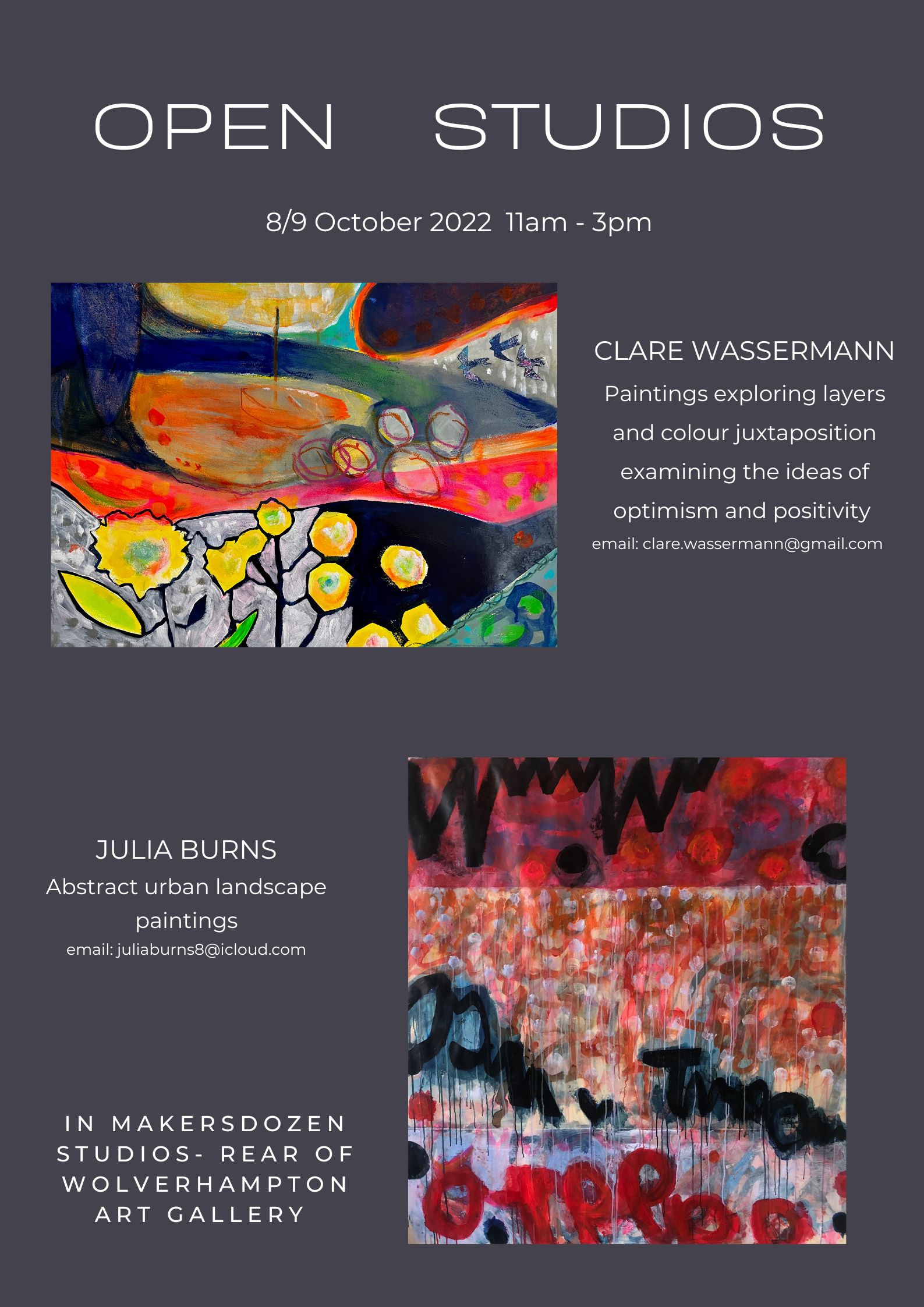
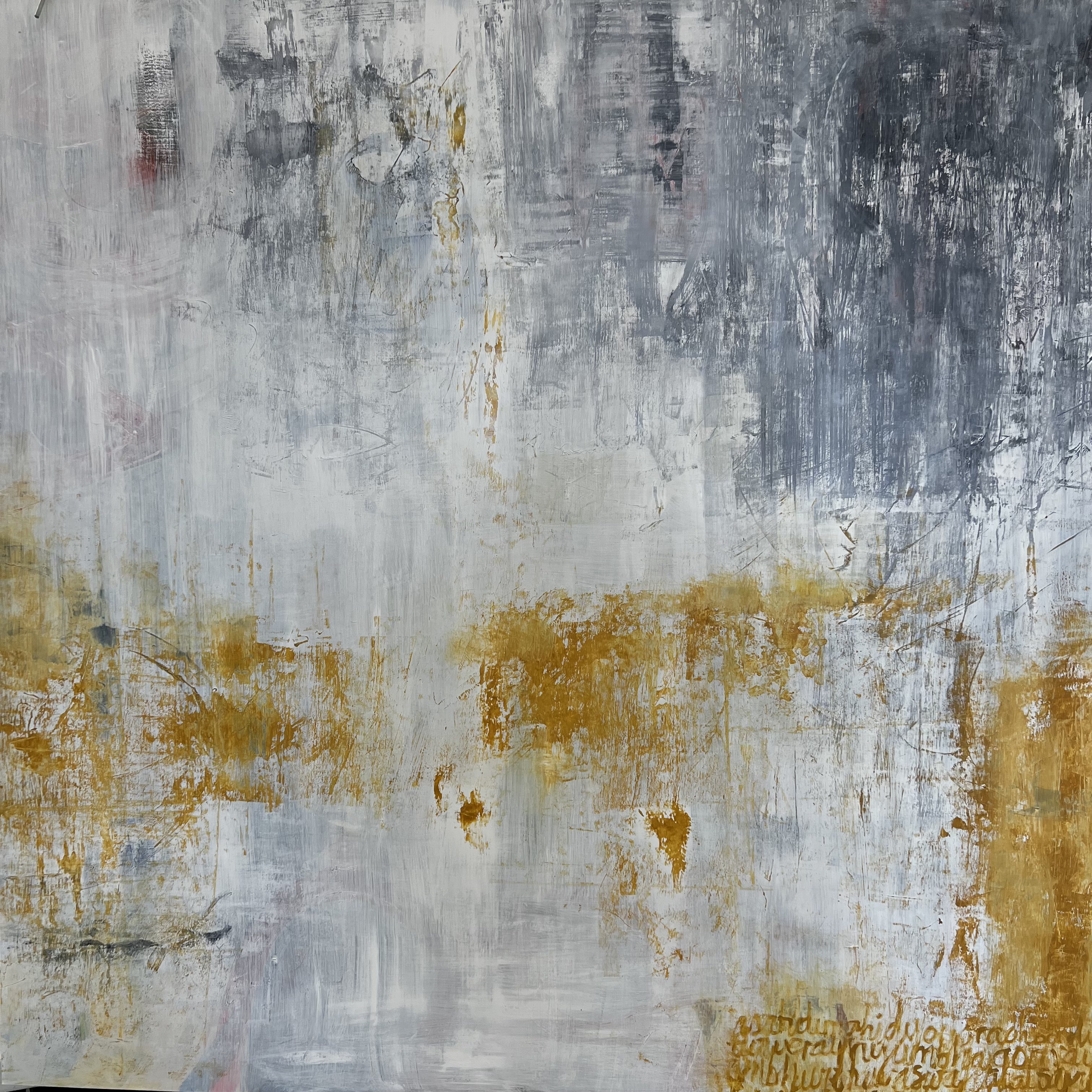
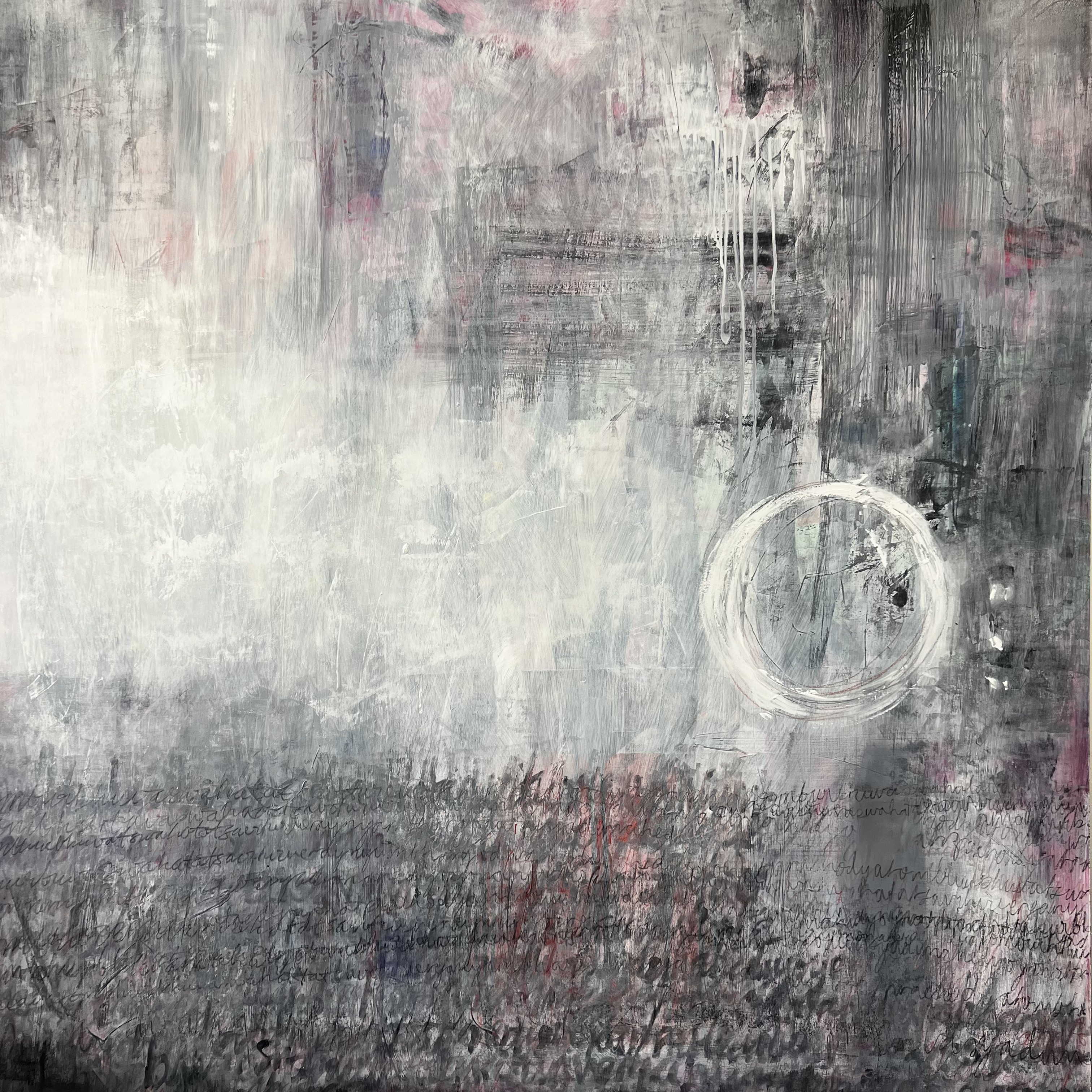


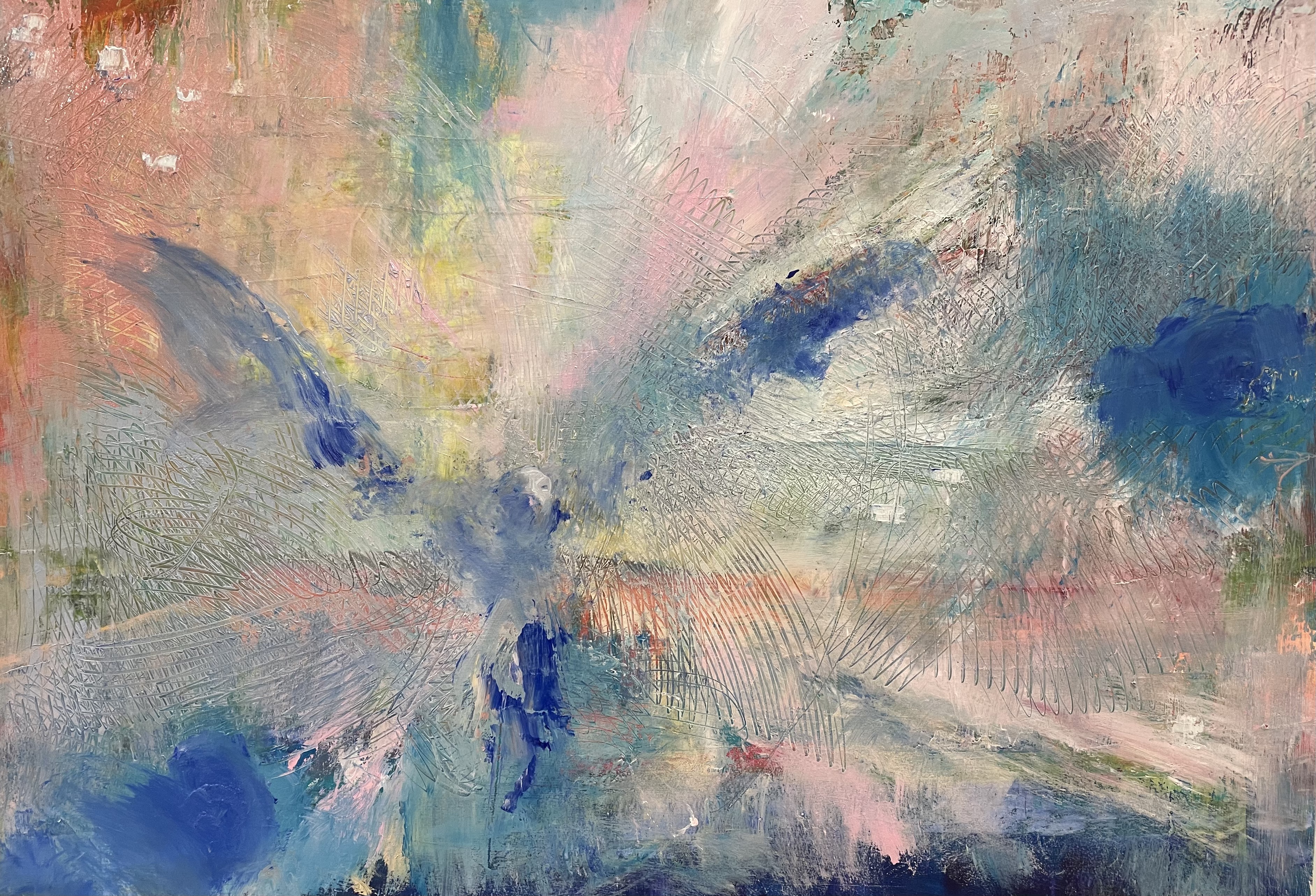


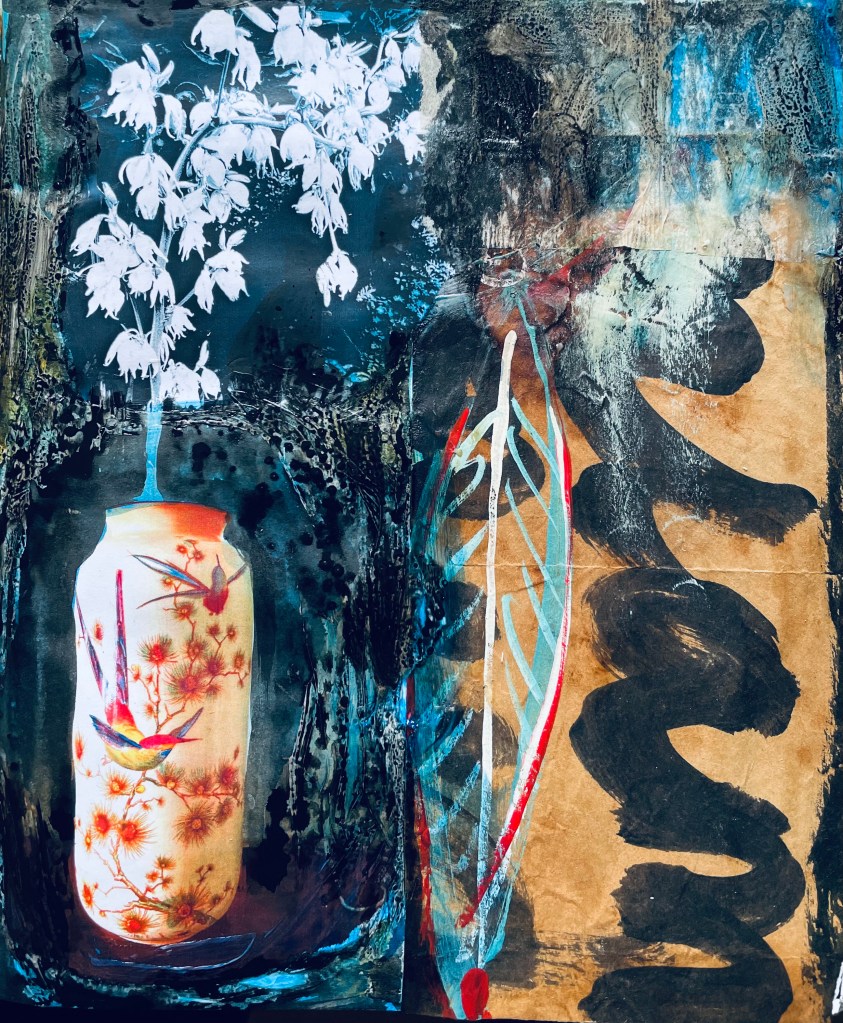

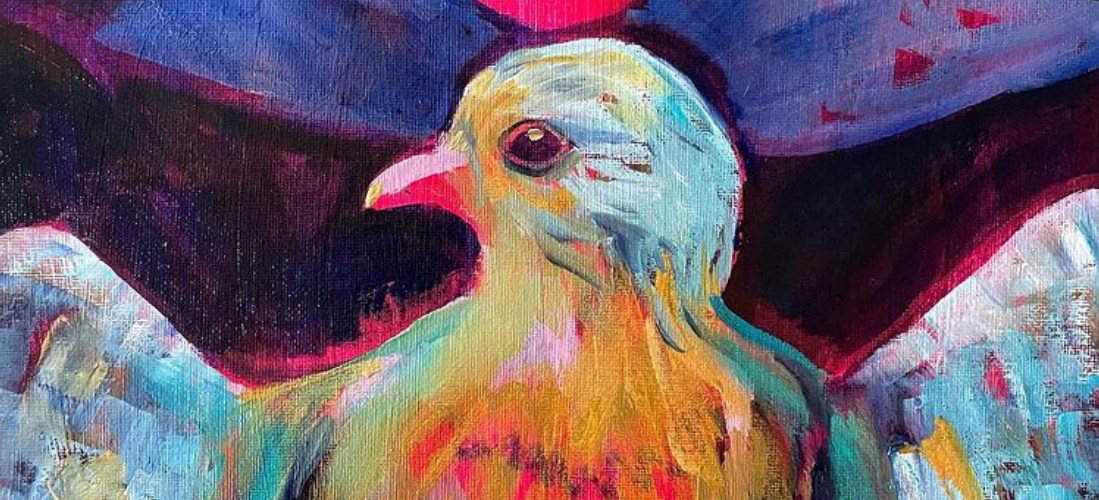


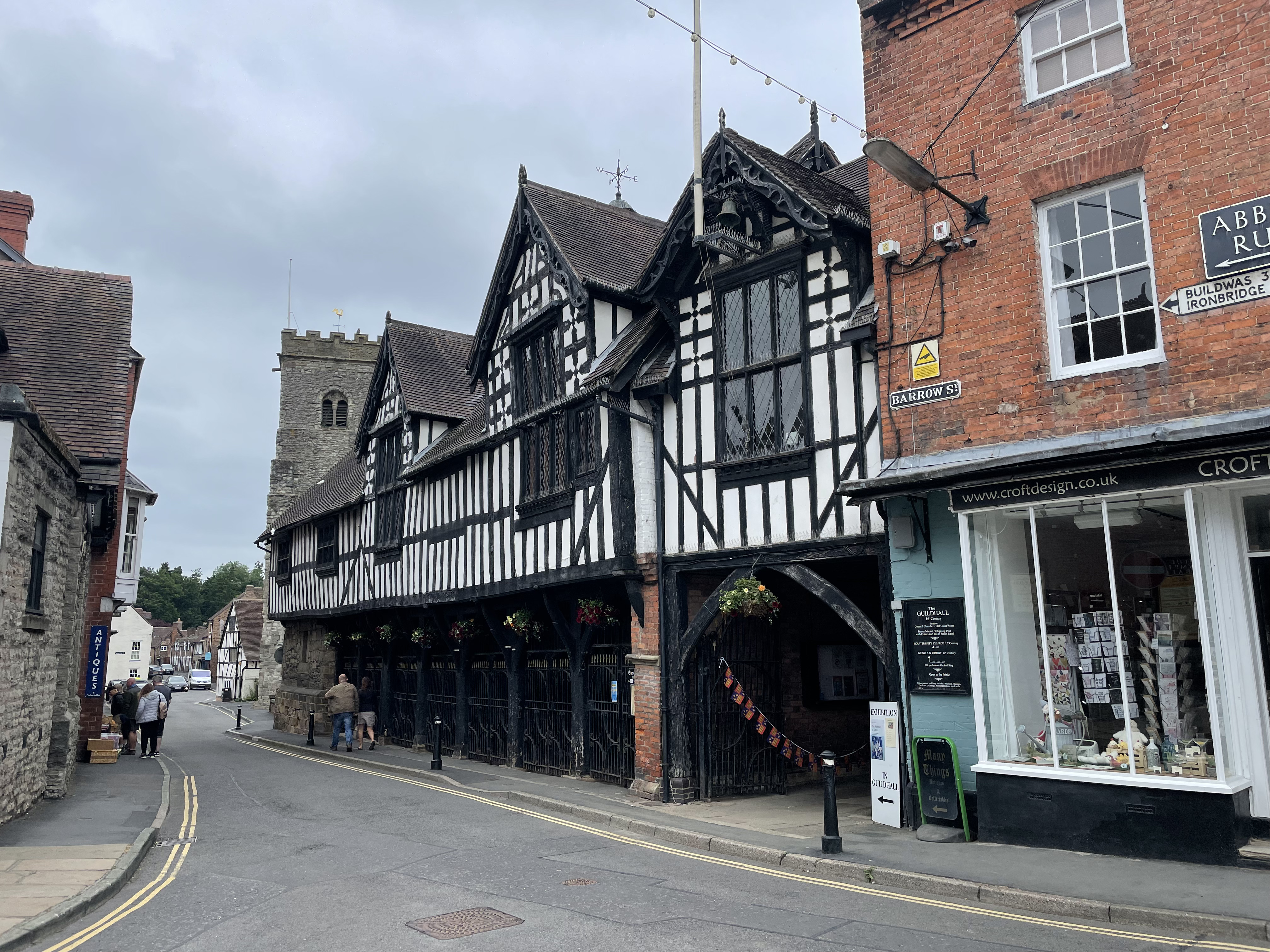
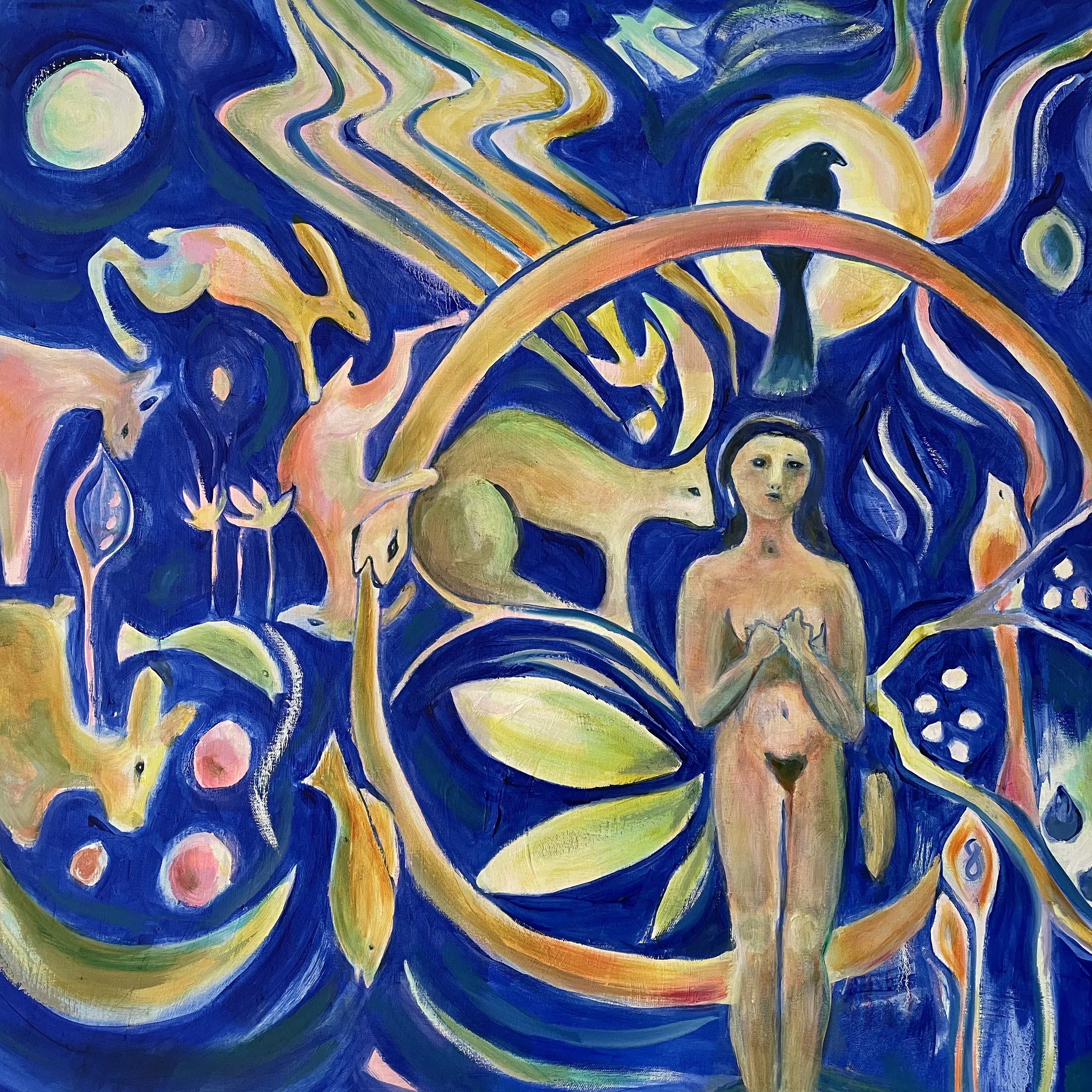
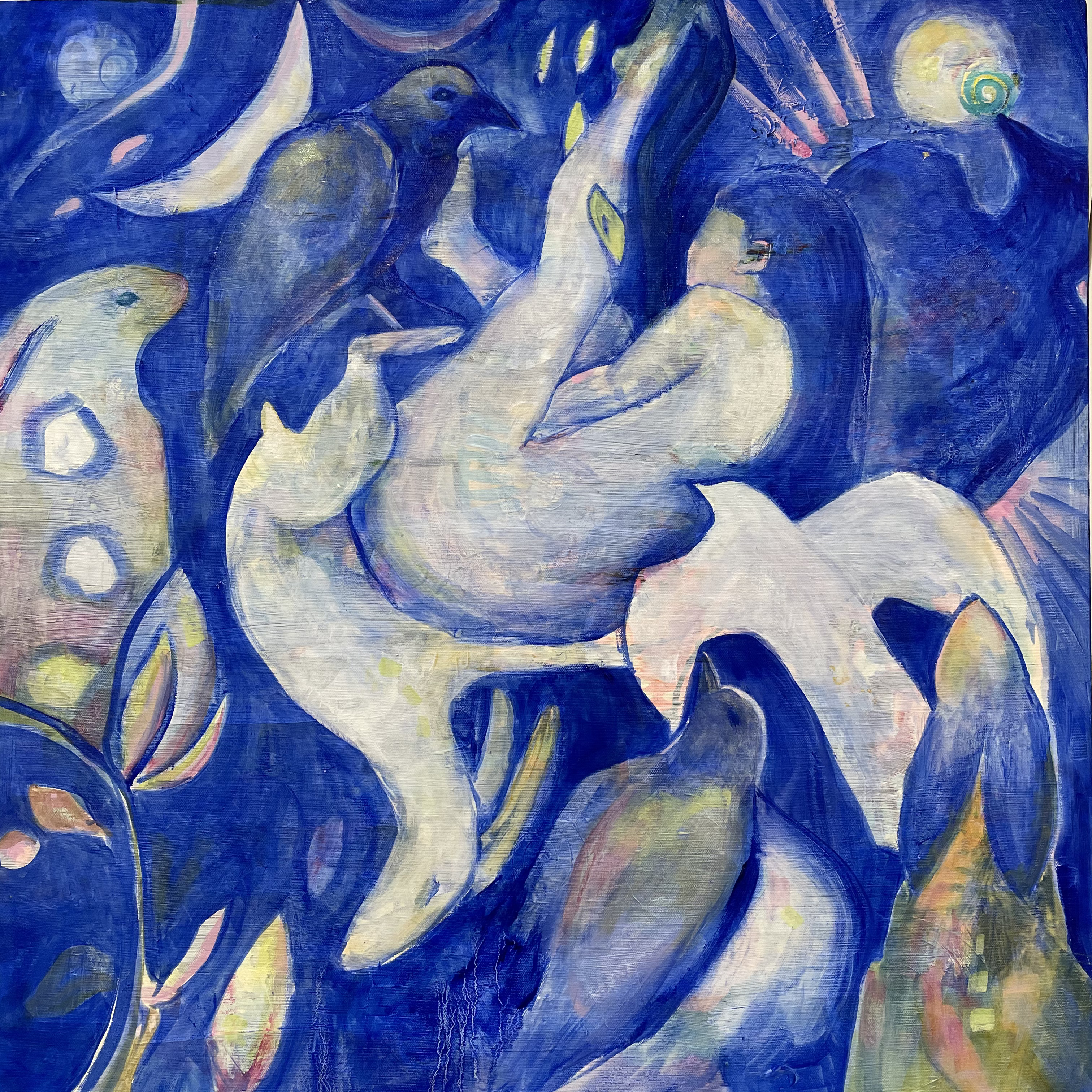


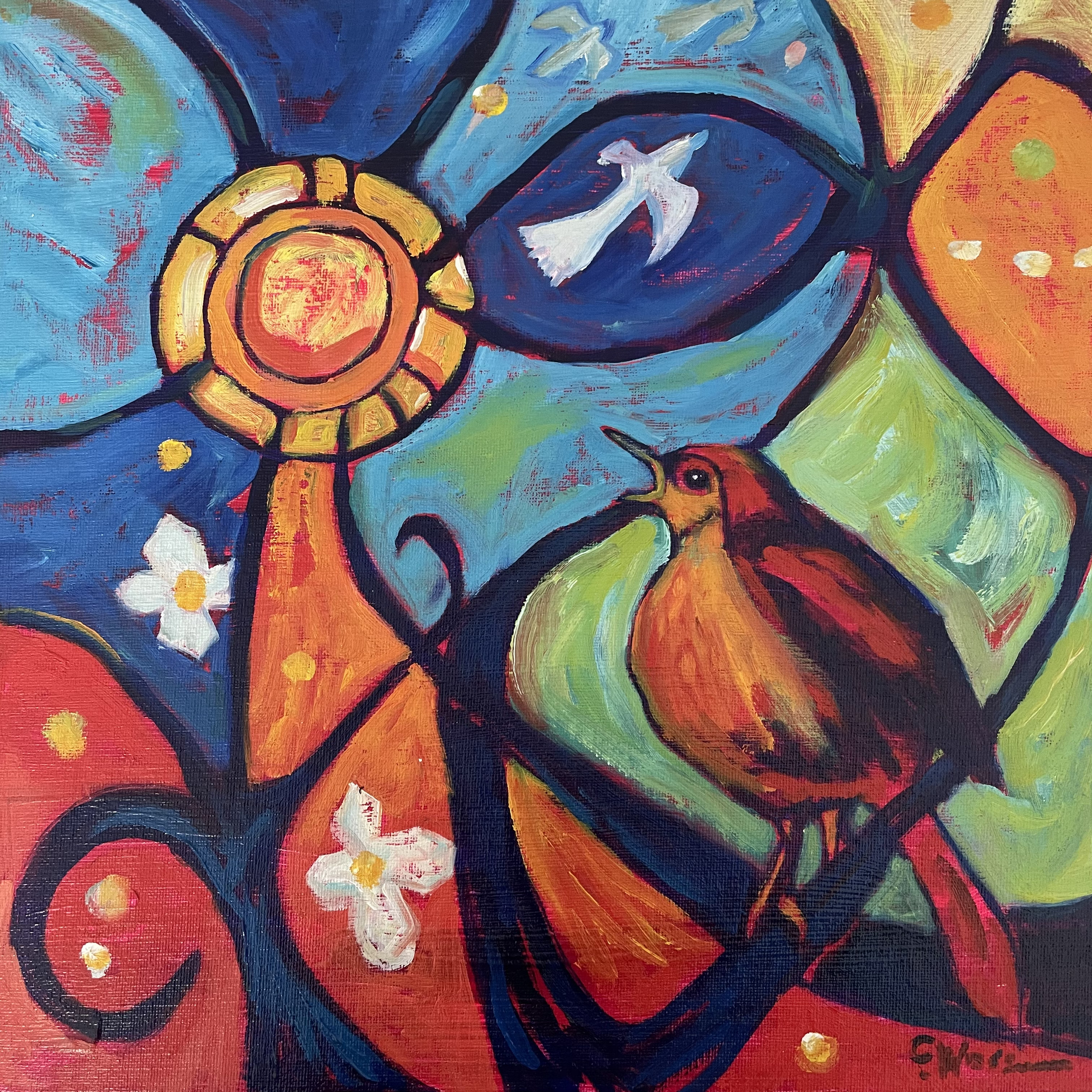


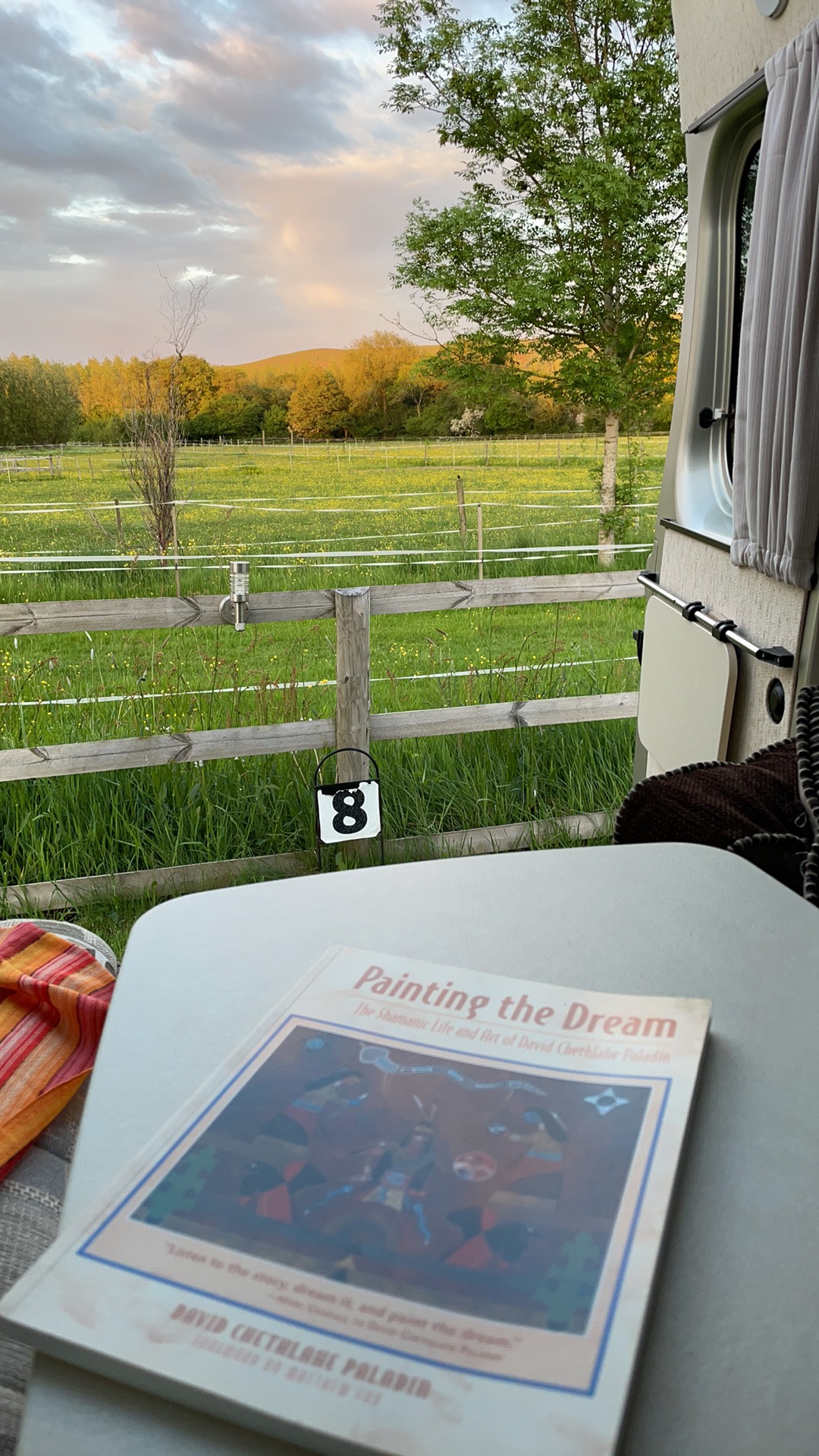
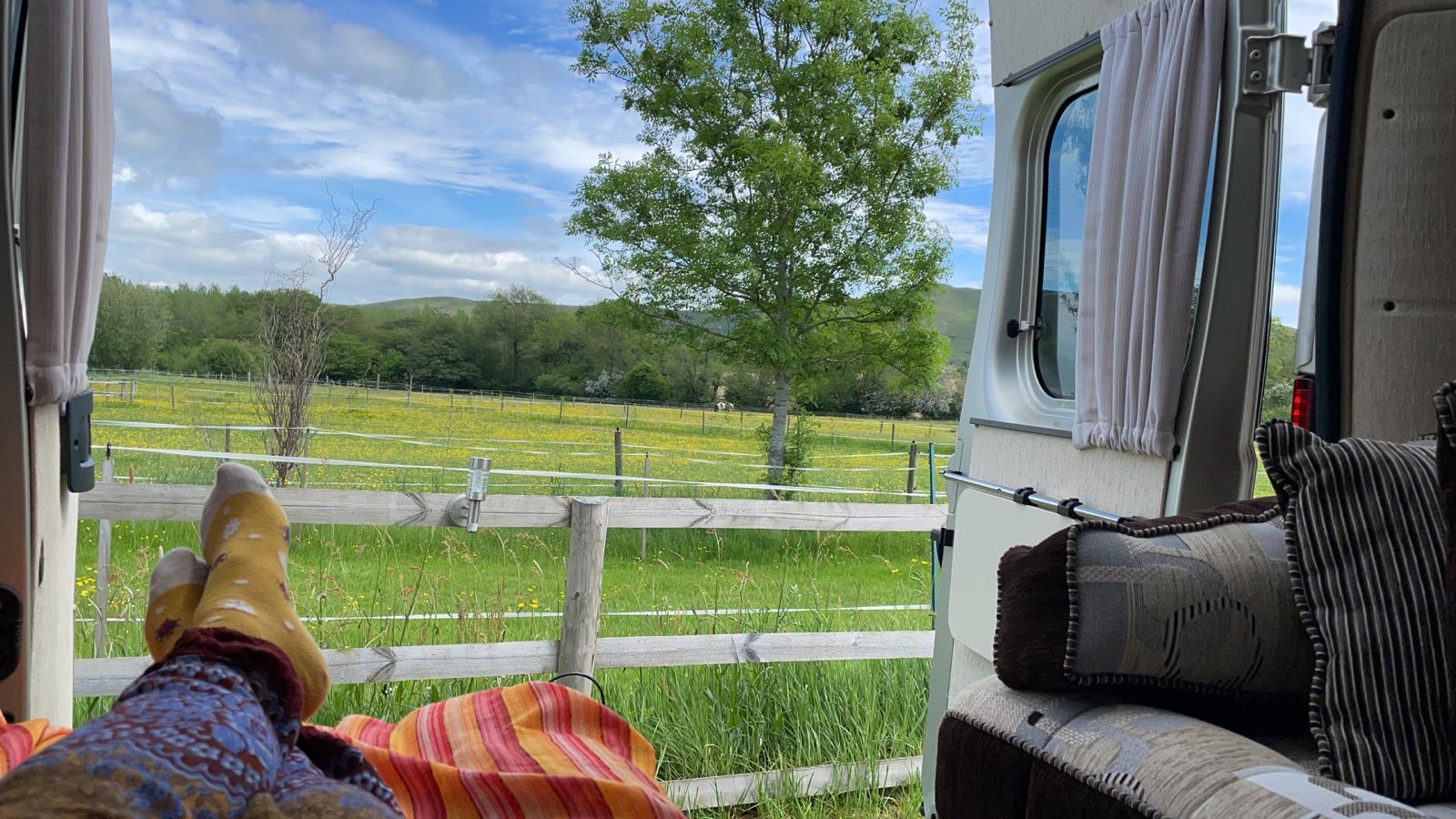
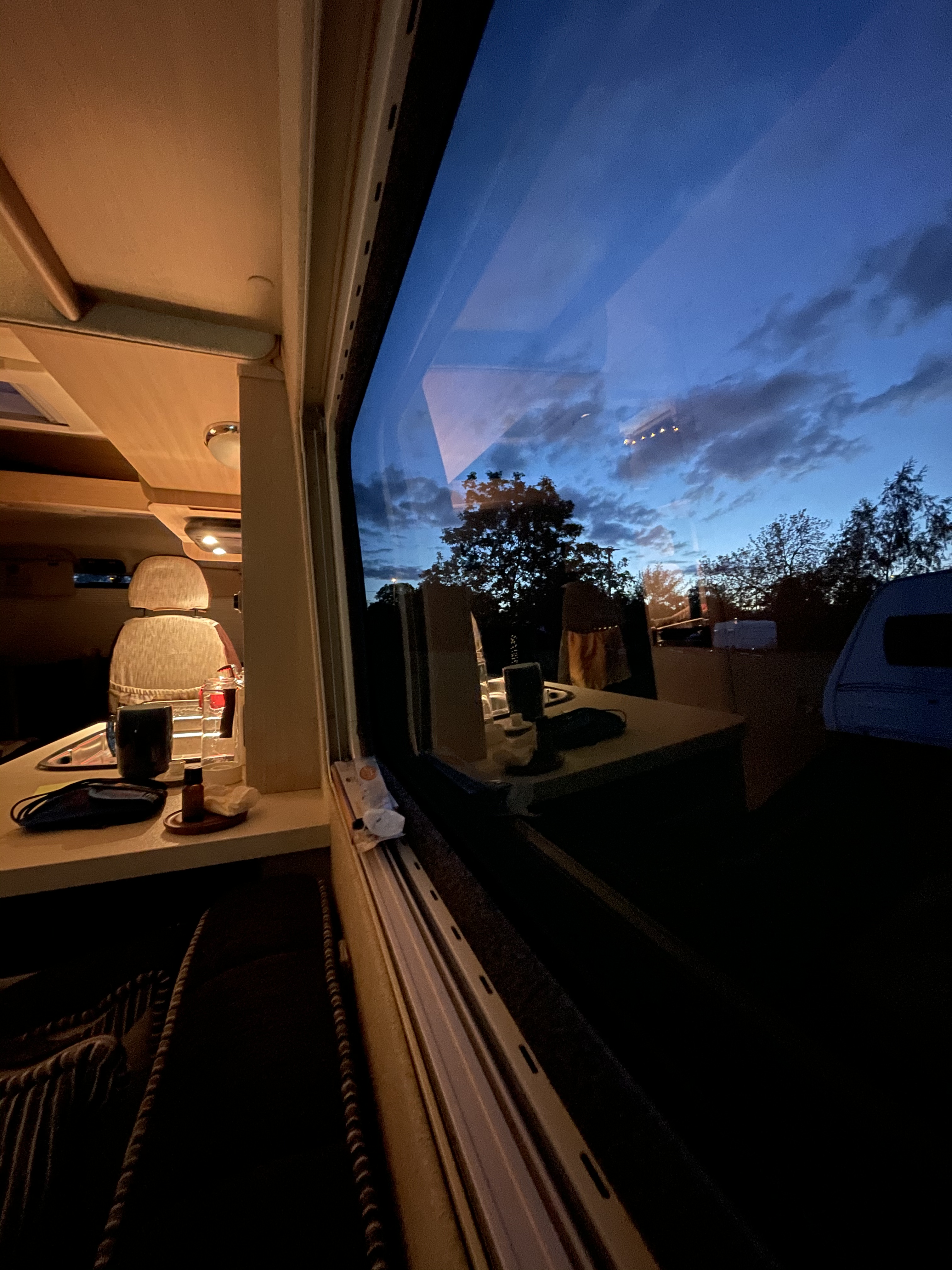
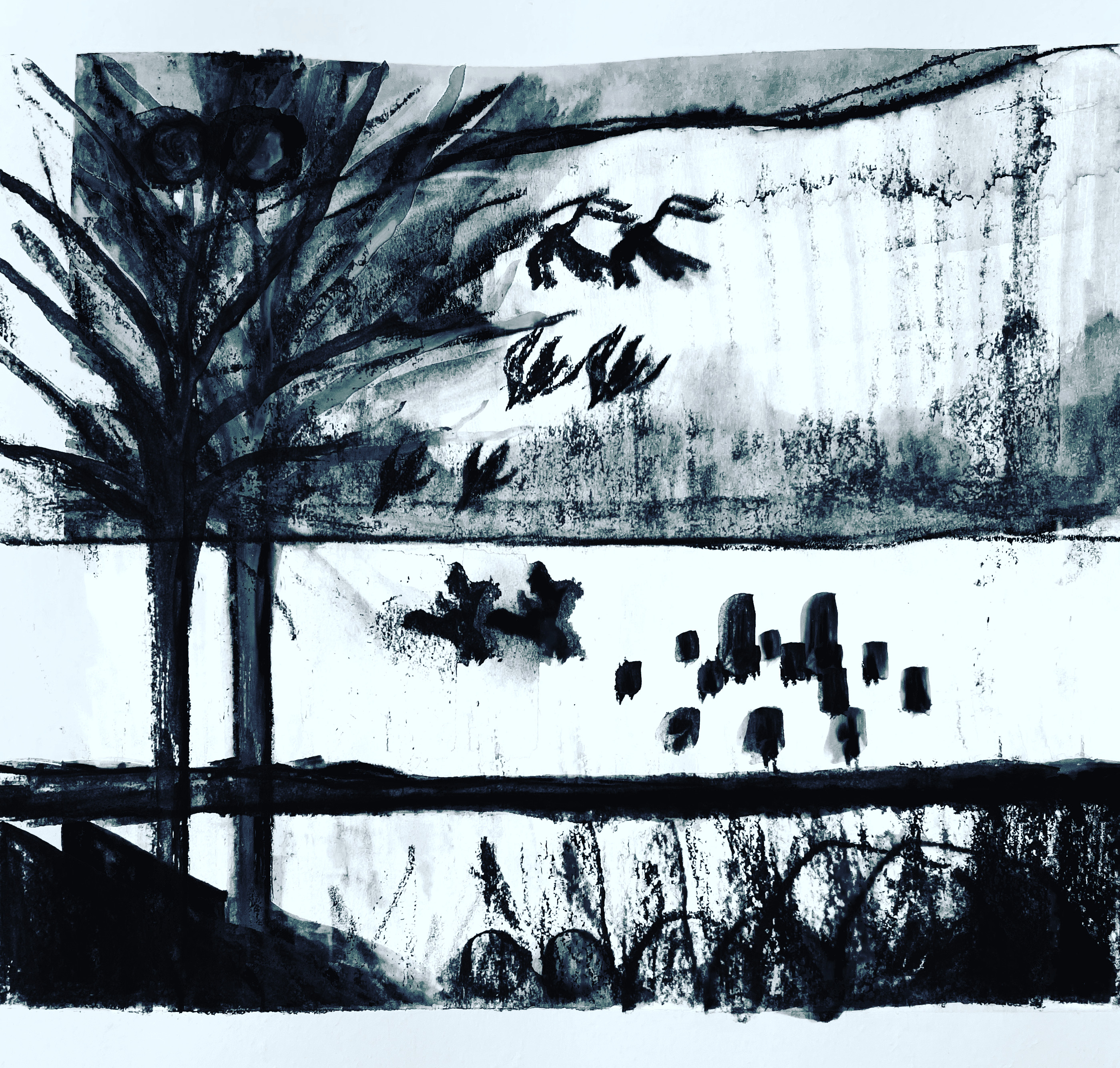


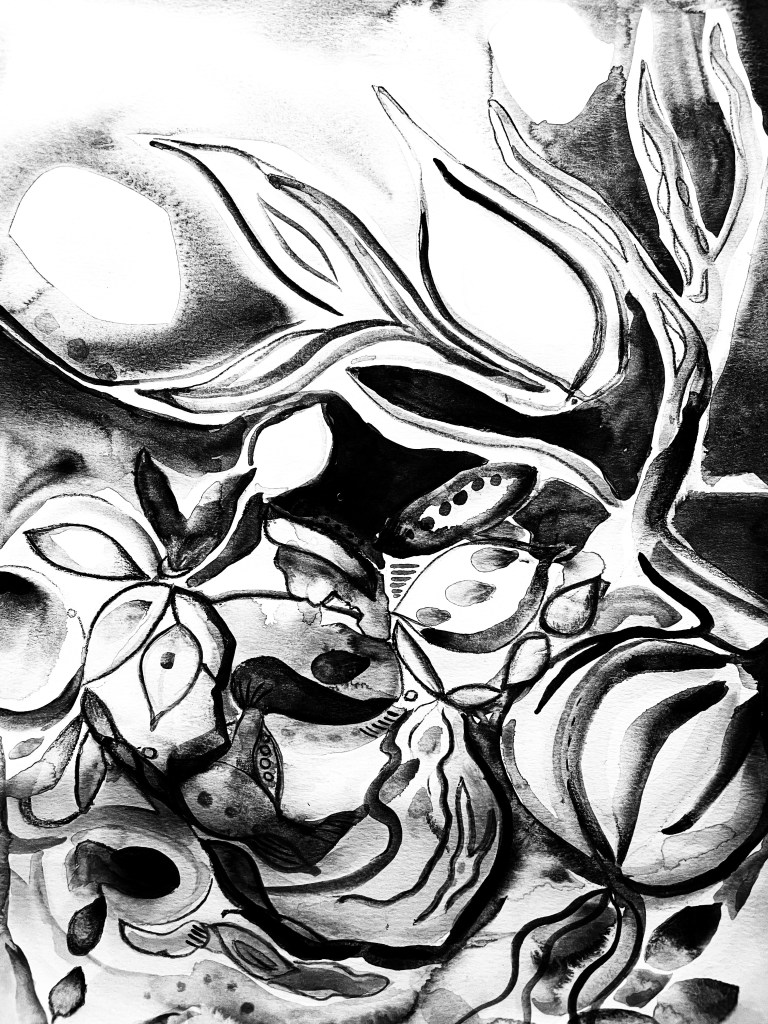


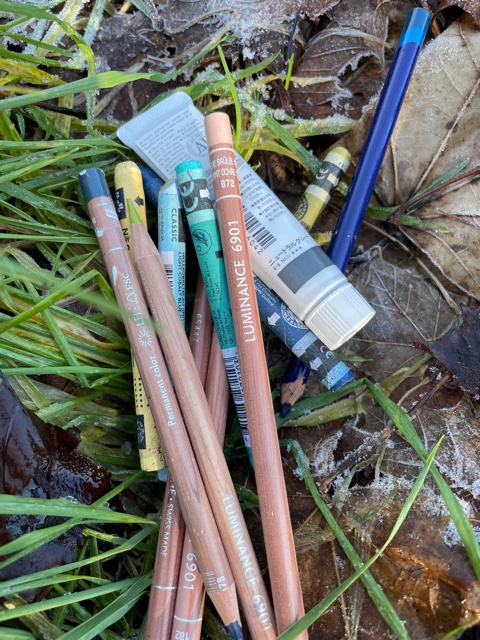


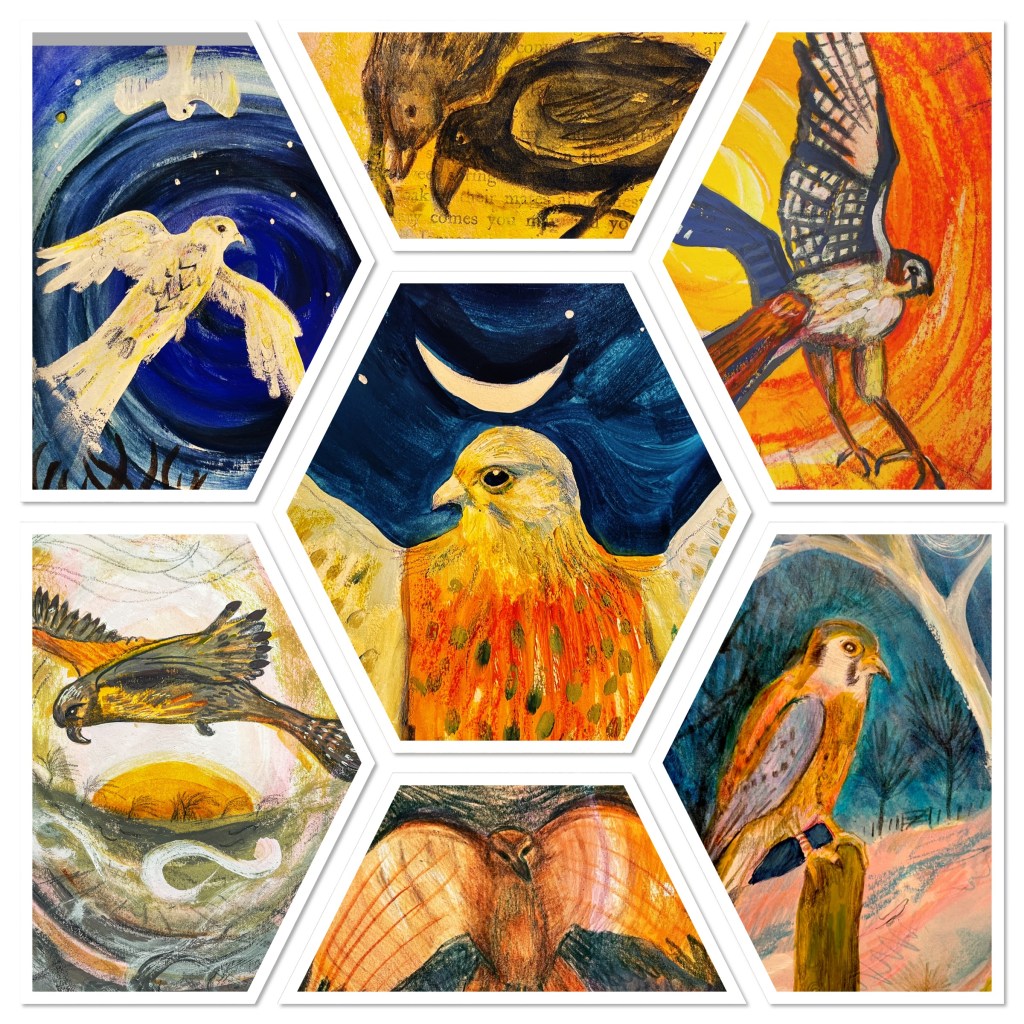
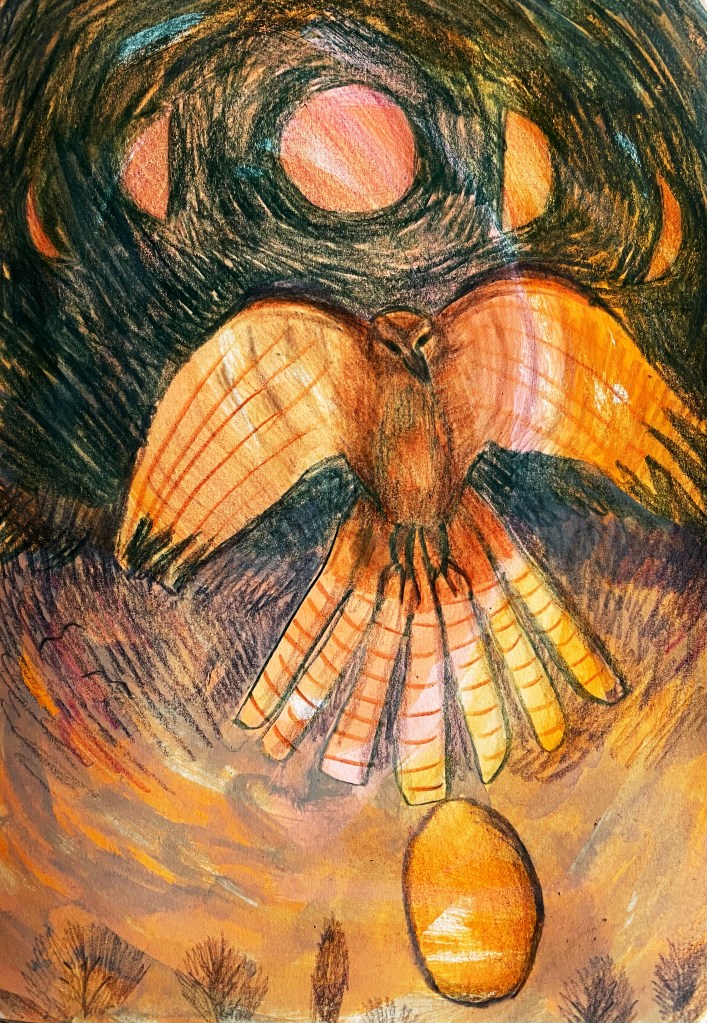
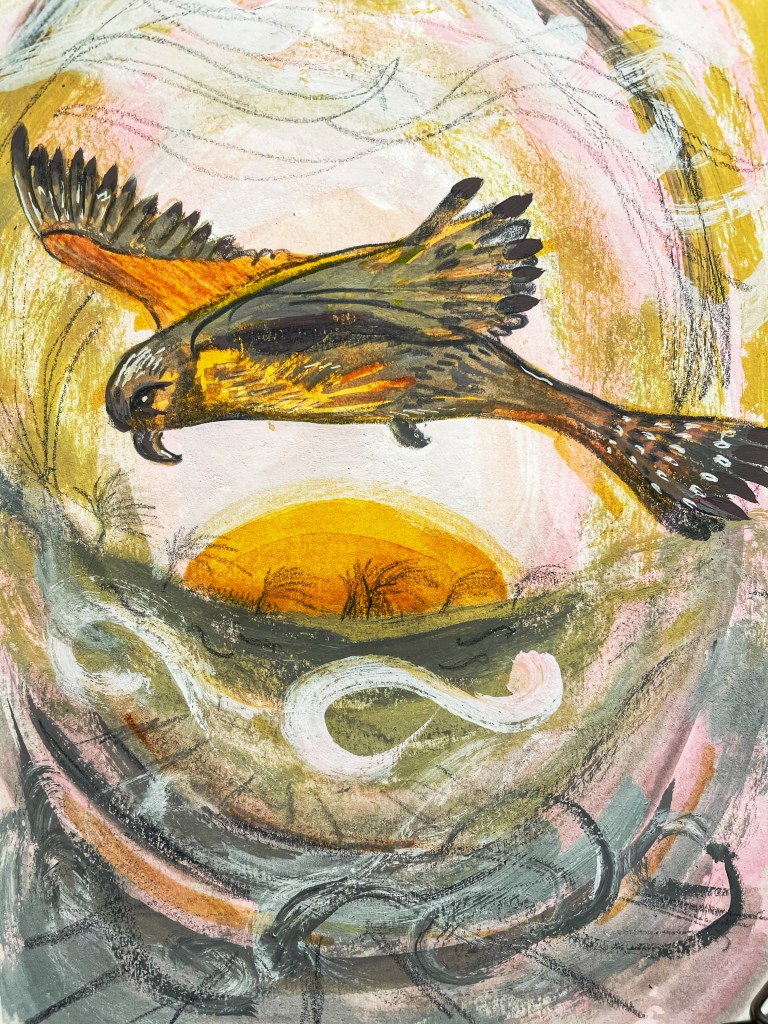
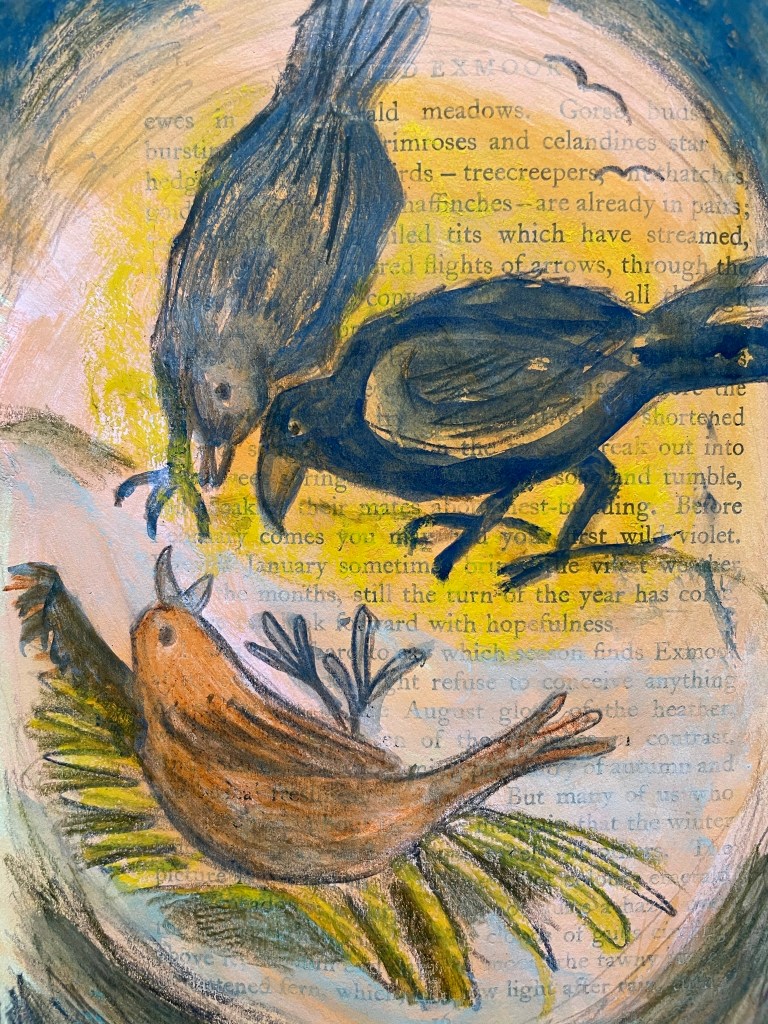




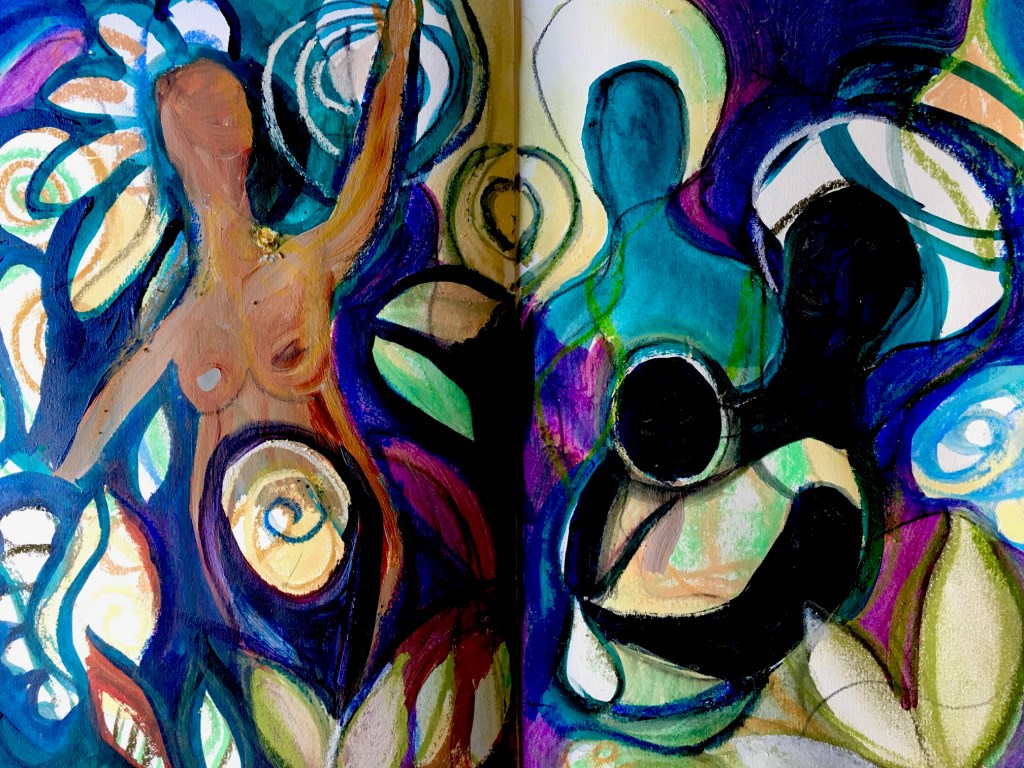
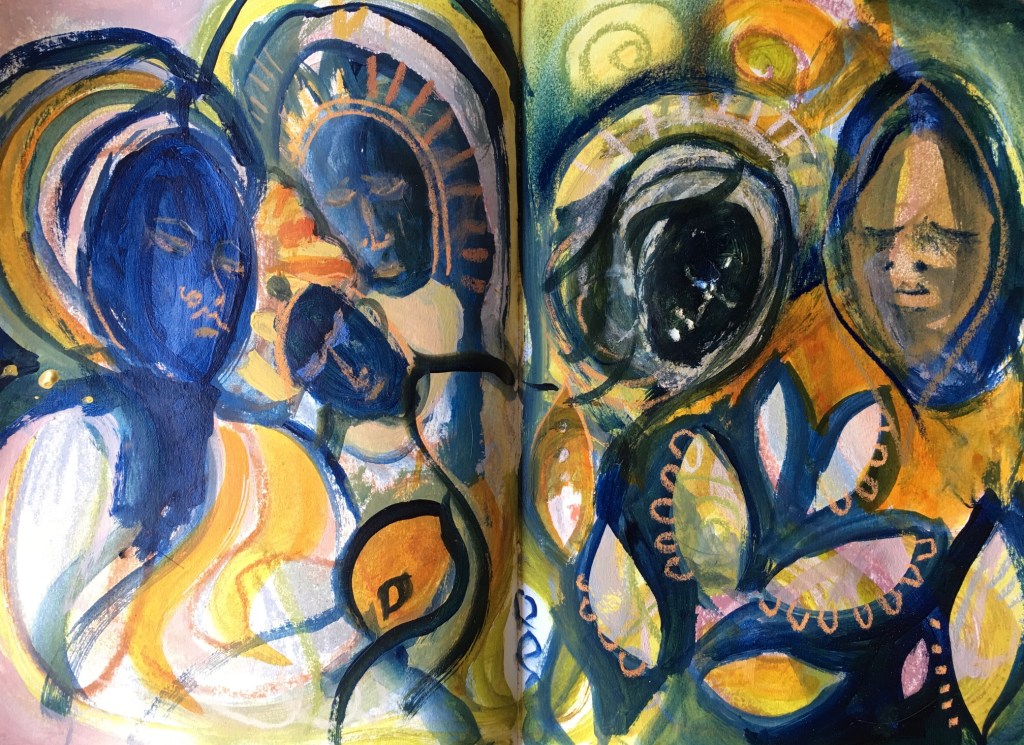
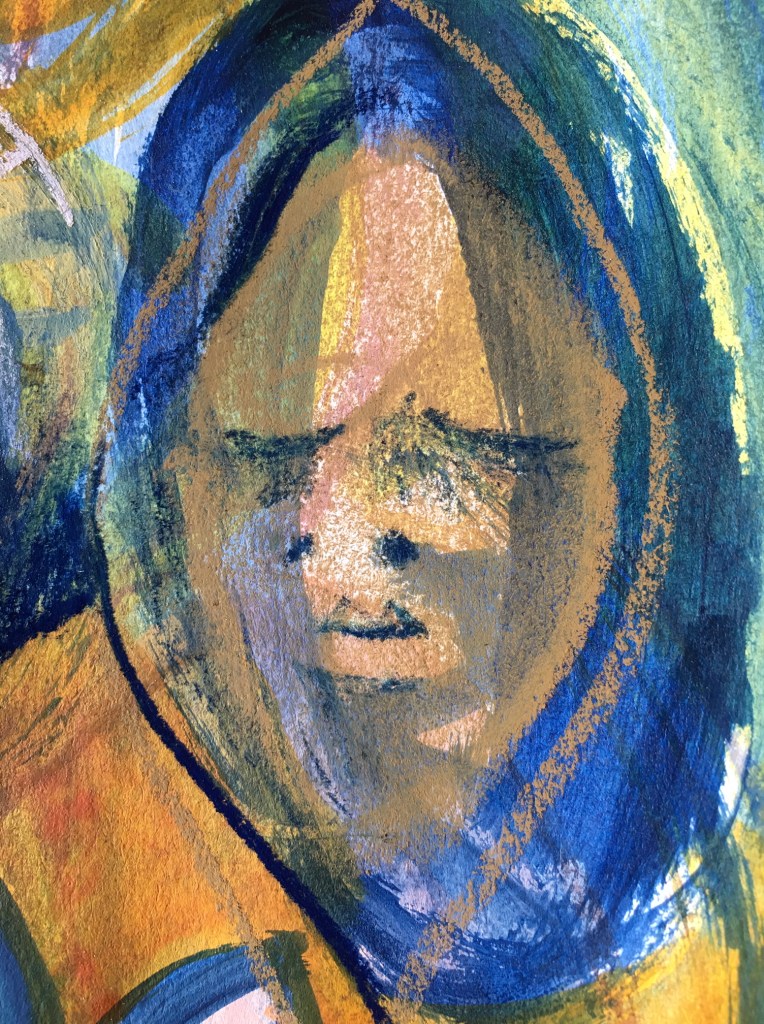


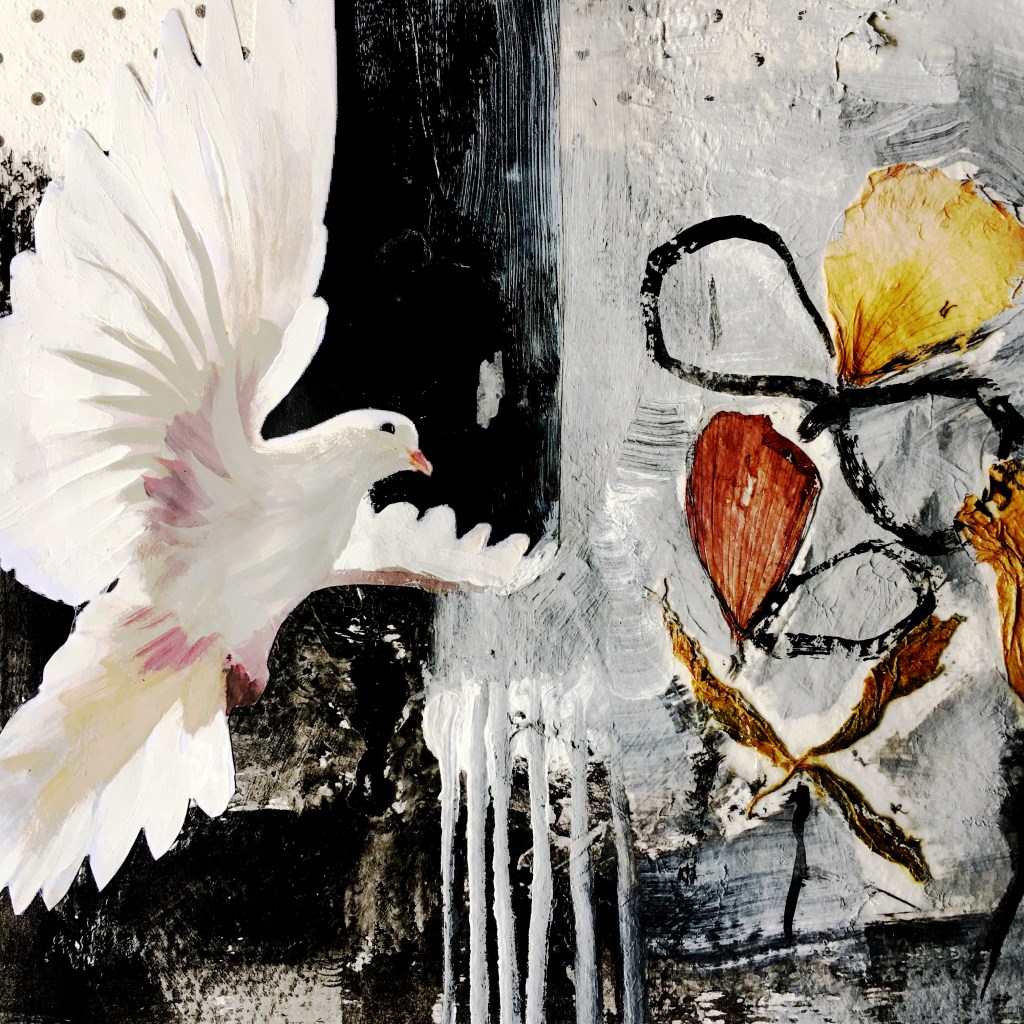

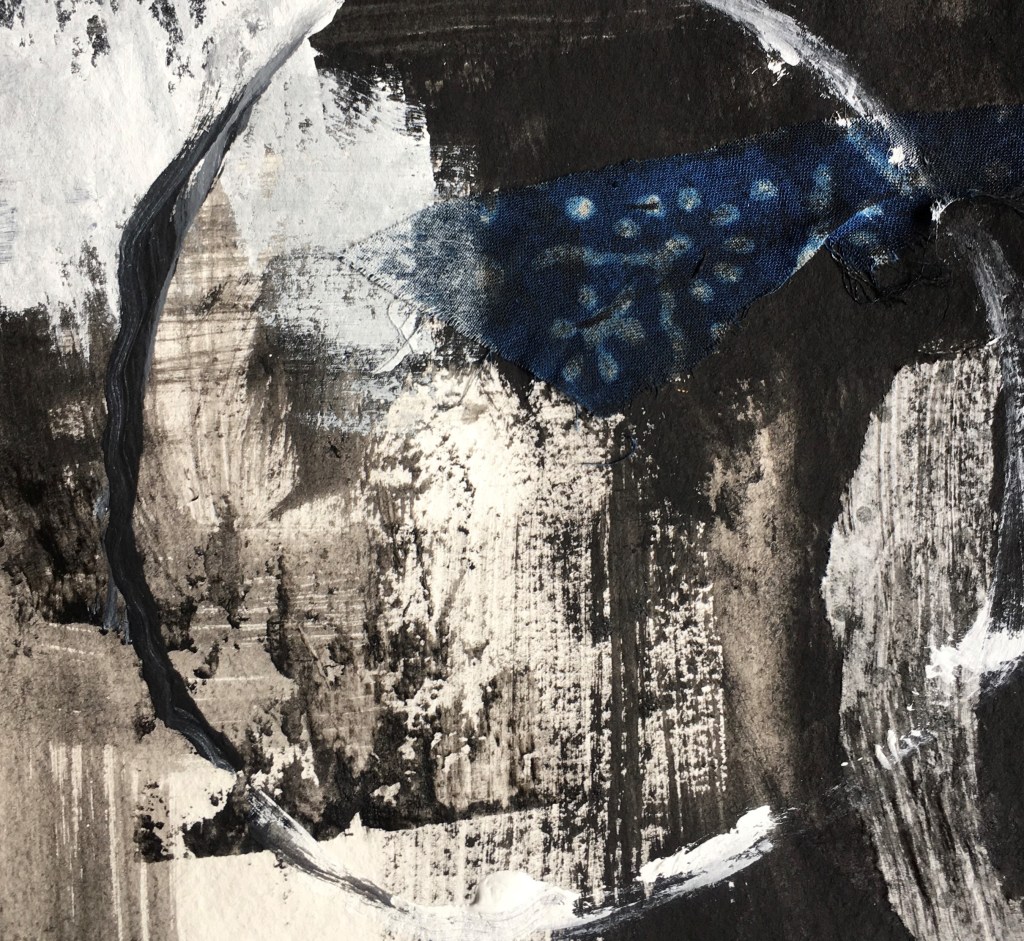


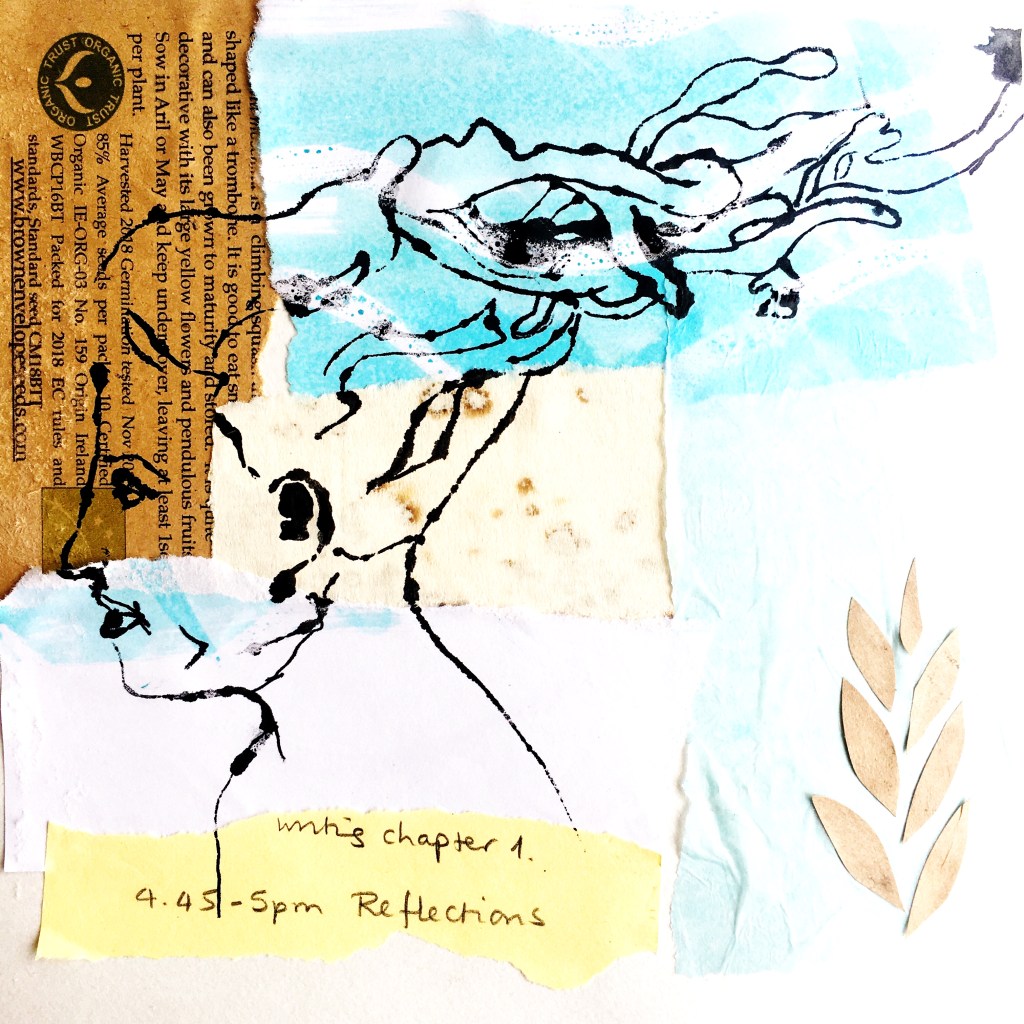
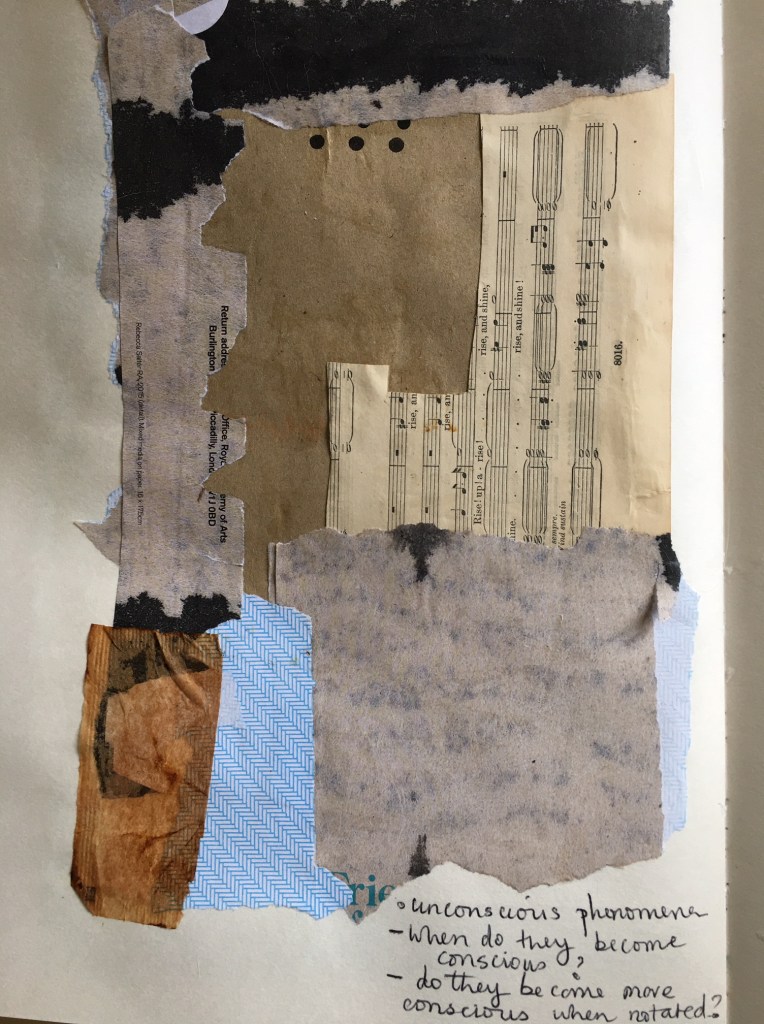


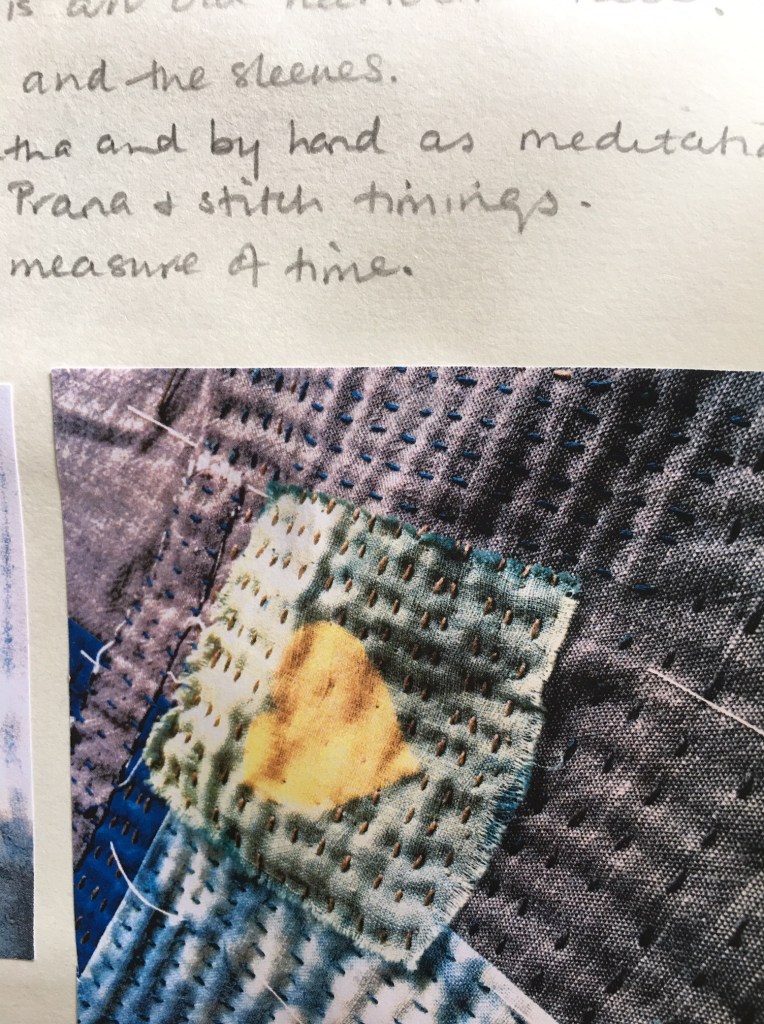


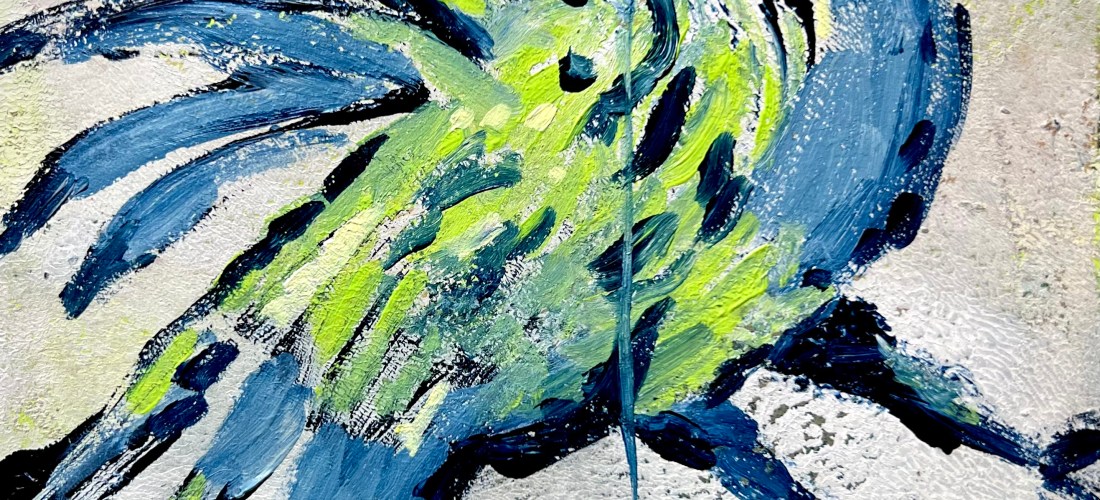
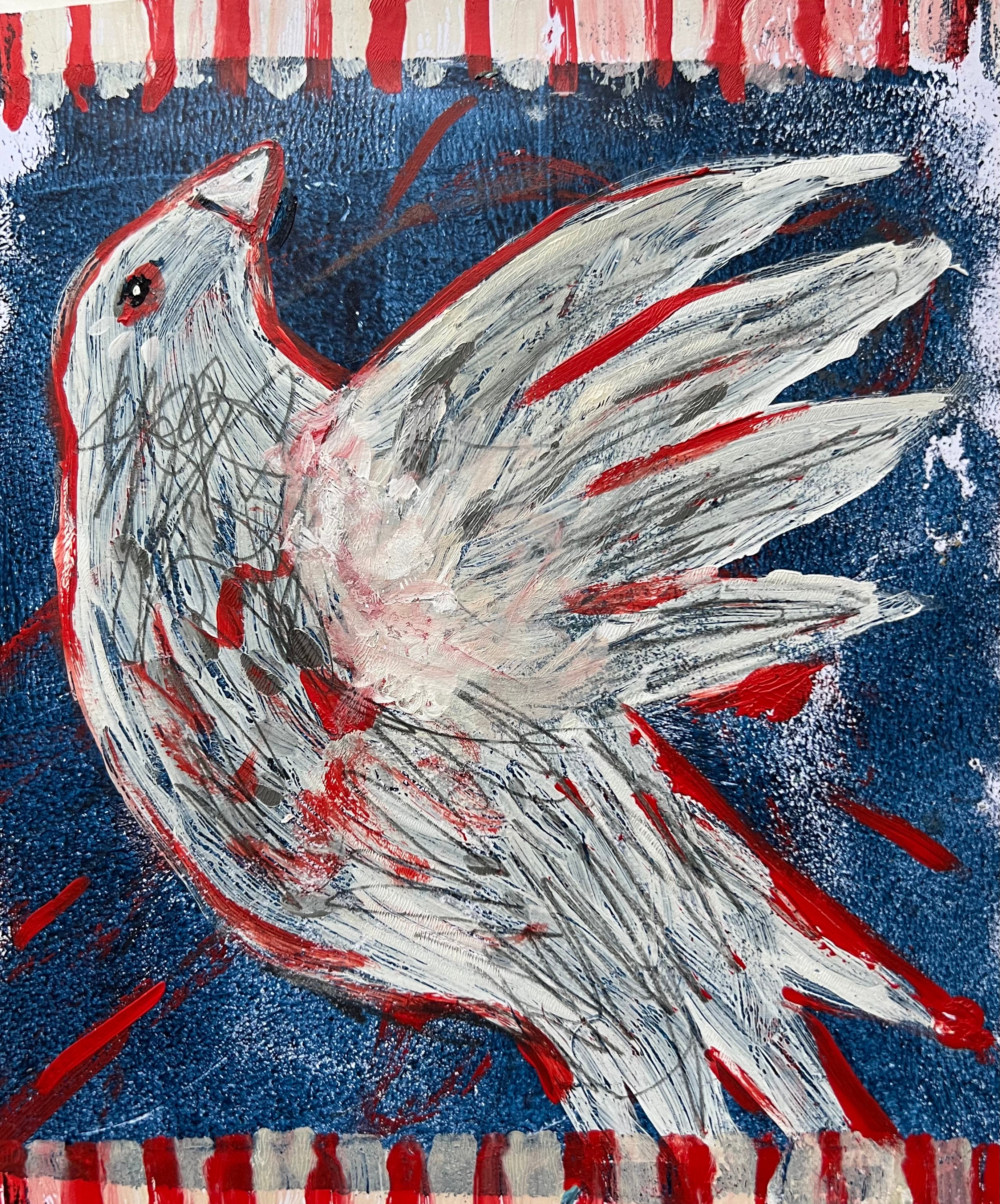
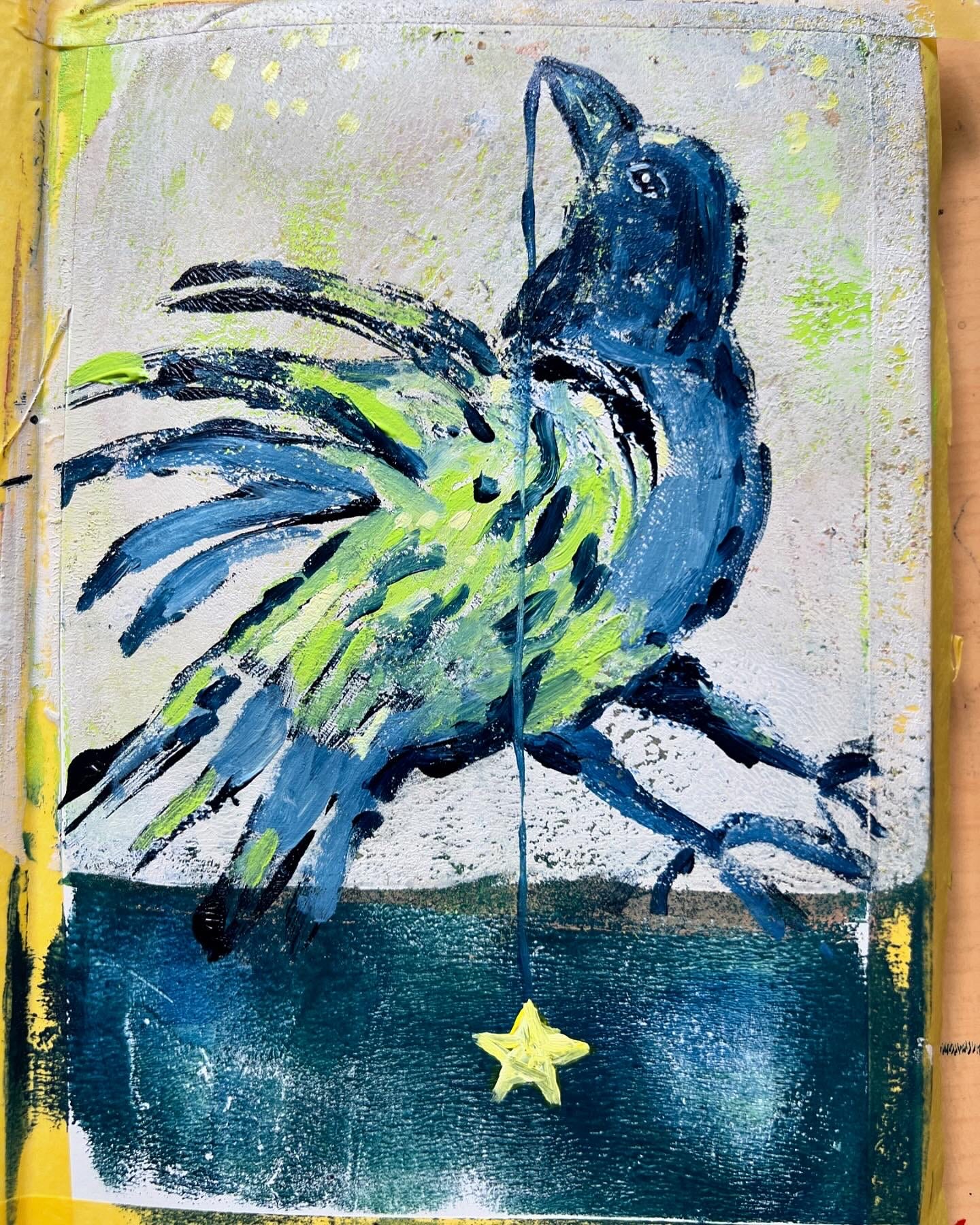
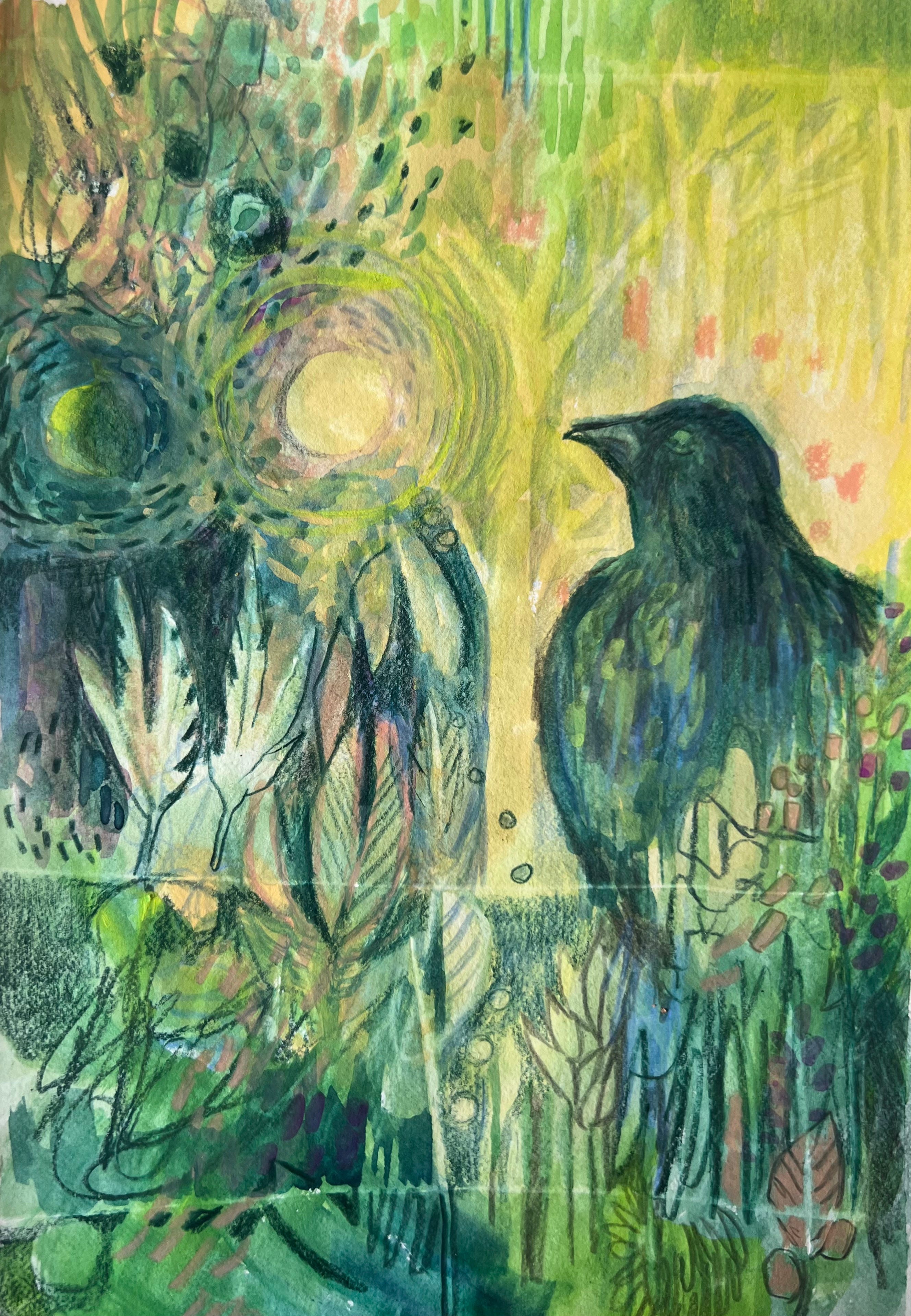
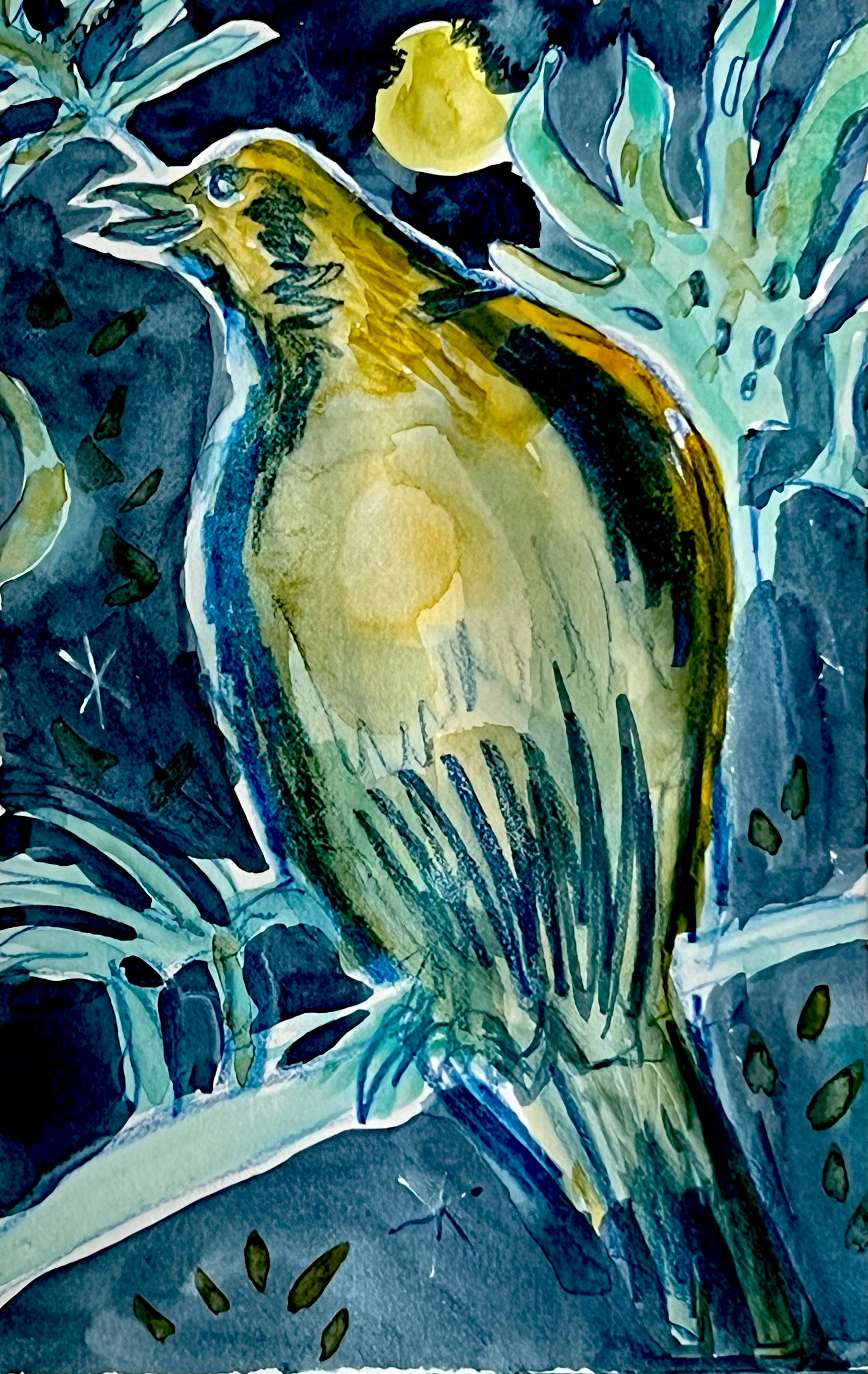
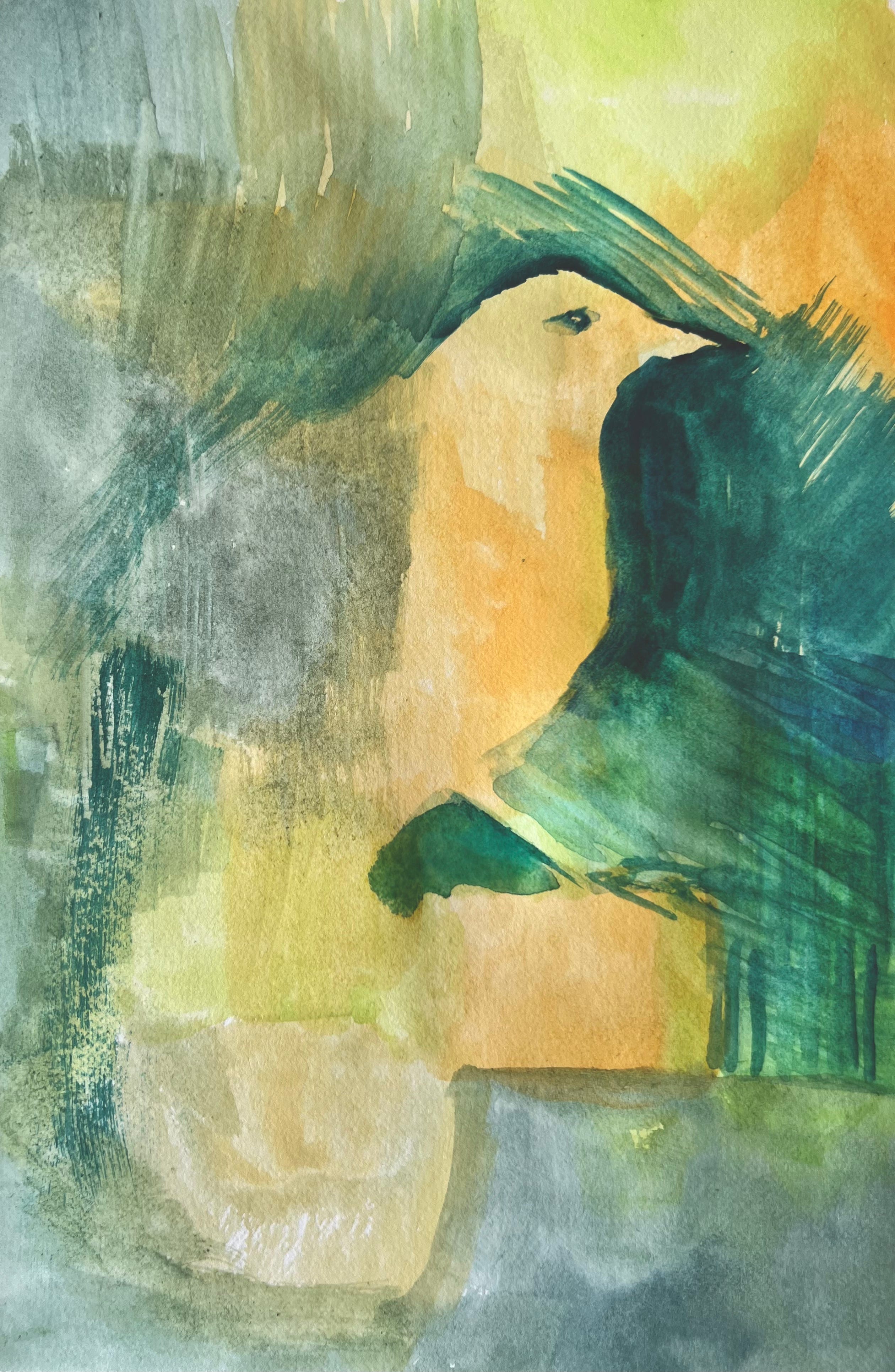

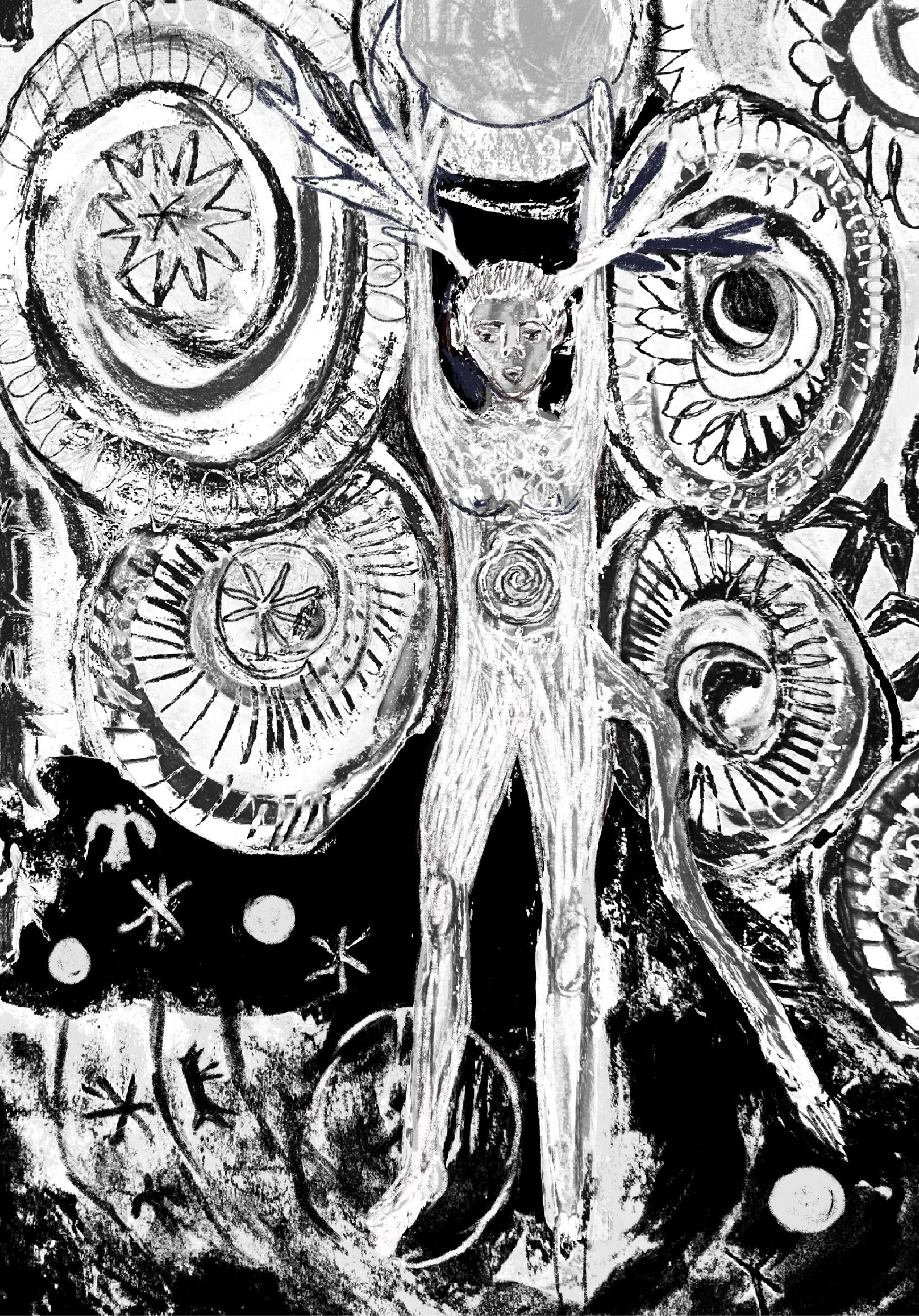

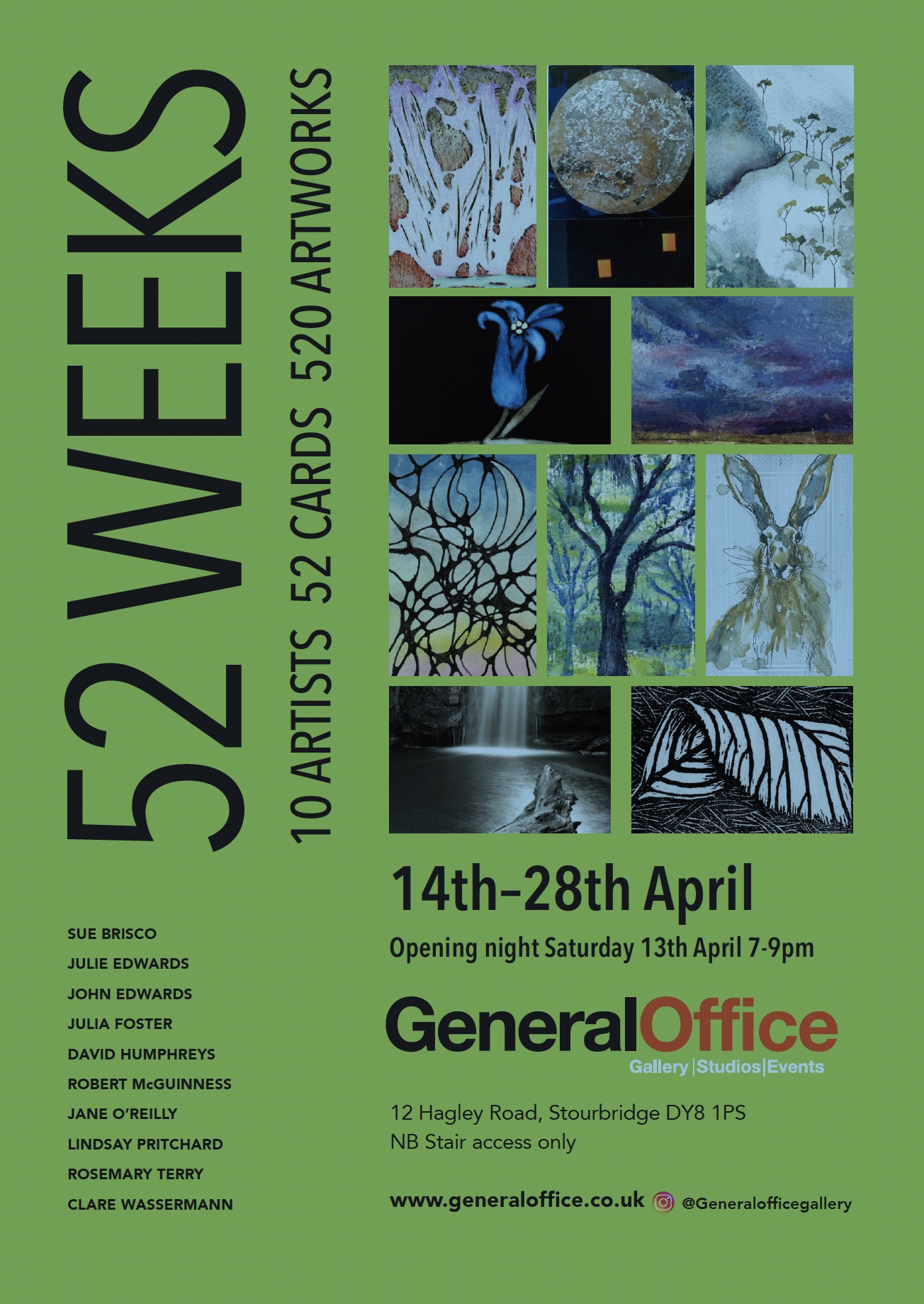

 Clare Wassermann Art